THE ADVENTURE COLLECTIVE® · Independent discovery and booking for outdoor travel

This full-circuit Pokhara tour pairs mountain sunrises from Sarangkot with cultural stops and a tranquil Phewa Lake boat ride. Visit Davis Falls, Gupteshwor Cave, the International Mountain Museum, and World Peace Stupa across 2–3 days.
This full-circuit Pokhara tour pairs mountain sunrises from Sarangkot with cultural stops and a tranquil Phewa Lake boat ride. Visit Davis Falls, Gupteshwor Cave, the International Mountain Museum, and World Peace Stupa across 2–3 days.
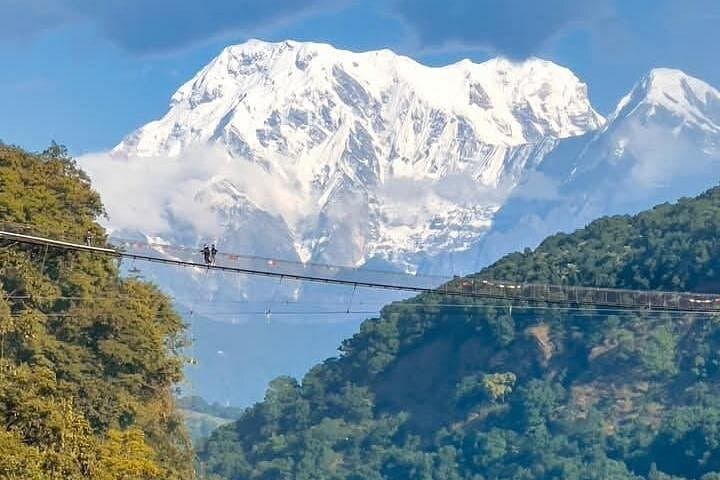
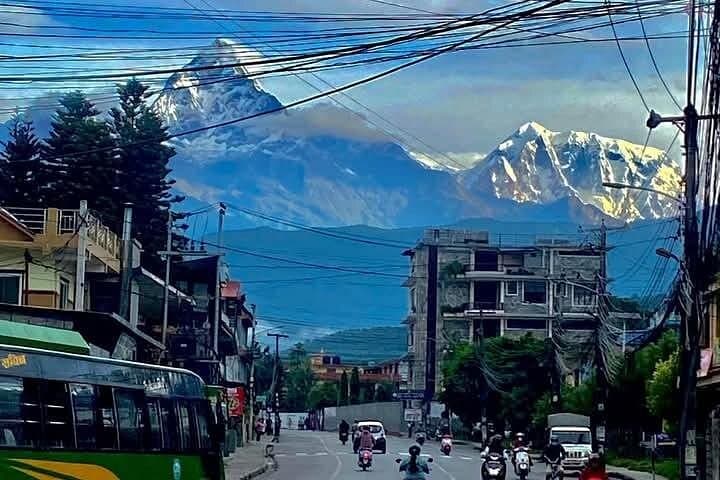
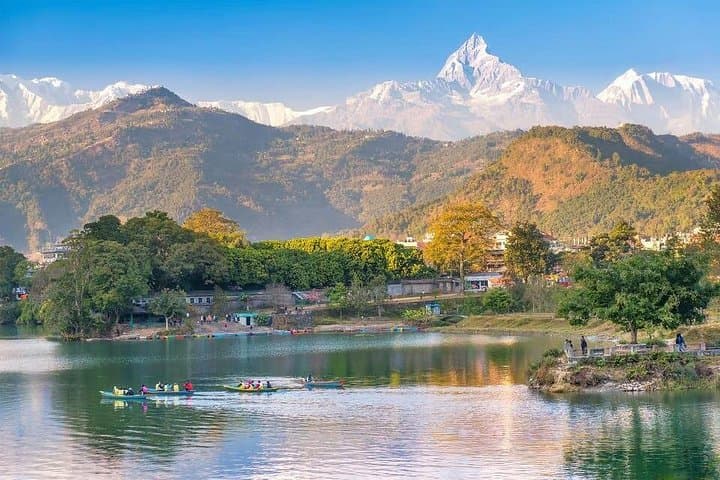
You arrive before dawn, windows misting as the road climbs toward Sarangkot. The horizon loosens a cold, clear light that edges the Annapurna and Dhaulagiri massifs in pale gold. Back in town the lake waits—calm enough for a slow paddle that lets mountain faces push themselves into the water like actors rehearsing a scene.
Verified experiences and guided adventures in the surrounding area.
Operated by AM Travels and Tours · Pokhara, Gandaki Province
You arrive before dawn, windows misting as the road climbs toward Sarangkot. The horizon loosens a cold, clear light that edges the Annapurna and Dhaulagiri massifs in pale gold. Back in town the lake waits—calm enough for a slow paddle that lets mountain faces push themselves into the water like actors rehearsing a scene.
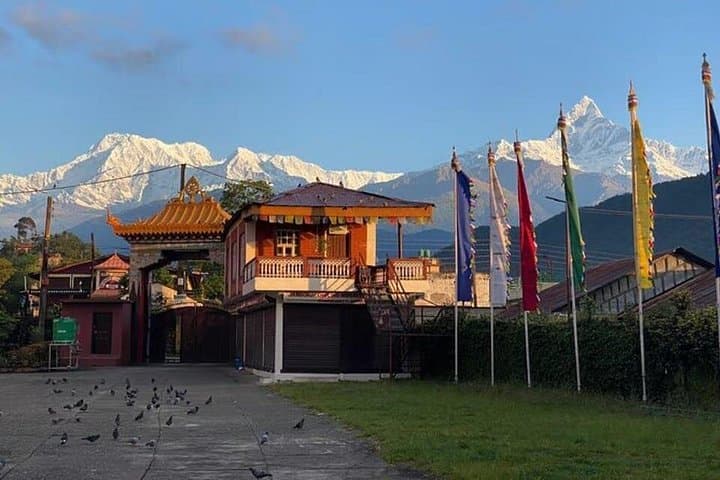
This loop through Pokhara threads geology, culture and mountaineering history. Davis Falls cuts a narrow, thundering chute that drops into a subterranean tunnel; nearby Gupteshwor Cave holds a sacred shrine among stalactites. The International Mountain Museum documents local climbing traditions and the gear that made Himalayan ascents possible. Bindabasini Temple and World Peace Stupa offer contrasting spiritual perspectives—one Hindu, one Buddhist—and both reward visitors with valley views.
Expect a practical rhythm: early morning drive to Sarangkot for sunrise, time at mountain and cultural sites mid-day, and a late-afternoon 1-hour paddle on Phewa Lake as light softens. Terrain is paved roads, short stair climbs and firm paths; nothing technical but some sites require stepping over uneven rock or cave steps.
Plan for cool mornings and warm afternoons—layers are essential. Carry local cash for small site fees and offerings, and allow 2–3 hours of flexible time around lake and museum visits. Boats are calm but bring sunscreen and a light wind layer; sunrise and sunset are the real attractions, so pace your day around those windows for the best views and photography.
easy.
2–3 days.
Suitable for travelers of average fitness; requires short walks, some stair/cliff-side steps, and standing at viewpoints.
Pickups are usually before first light—around 4:30–5:00am depending on season—to reach Sarangkot in time for sunrise viewings.
The itinerary typically includes the one-hour Phewa Lake boat ride; small local entrance fees for attractions like museums or caves may not be covered—bring cash.
Yes—it's rated easy and accessible, but note there are steps in caves and near falls; inform the operator of mobility concerns for pickup/drop-off adjustments.
Clear mornings give the best mountain visibility; monsoon months can obscure peaks and make cave areas damp—check forecasts and plan flexibility.
Pokhara has long been a transport and trade hub below the Annapurna range; its lakes and caves have been culturally significant for local Hindu and Buddhist communities for centuries.
Phewa Lake is vulnerable to runoff and weed growth from development; choose operators that follow waste-disposal practices and avoid single-use plastics around waterfront areas.
AM Travels and Tours operates guided outdoor trips and adventures with an emphasis on safety, stewardship, and memorable experiences.
You arrive before dawn, windows misting as the road climbs toward Sarangkot. The horizon loosens a cold, clear light that edges the Annapurna and Dhaulagiri massifs in pale gold. Back in town the lake waits—calm enough for a slow paddle that lets mountain faces push themselves into the water like actors rehearsing a scene.
You arrive before dawn, windows misting as the road climbs toward Sarangkot. The horizon loosens a cold, clear light that edges the Annapurna and Dhaulagiri massifs in pale gold. Back in town the lake waits—calm enough for a slow paddle that lets mountain faces push themselves into the water like actors rehearsing a scene.
This loop through Pokhara threads geology, culture and mountaineering history. Davis Falls cuts a narrow, thundering chute that drops into a subterranean tunnel; nearby Gupteshwor Cave holds a sacred shrine among stalactites. The International Mountain Museum documents local climbing traditions and the gear that made Himalayan ascents possible. Bindabasini Temple and World Peace Stupa offer contrasting spiritual perspectives—one Hindu, one Buddhist—and both reward visitors with valley views.
Expect a practical rhythm: early morning drive to Sarangkot for sunrise, time at mountain and cultural sites mid-day, and a late-afternoon 1-hour paddle on Phewa Lake as light softens. Terrain is paved roads, short stair climbs and firm paths; nothing technical but some sites require stepping over uneven rock or cave steps.
Plan for cool mornings and warm afternoons—layers are essential. Carry local cash for small site fees and offerings, and allow 2–3 hours of flexible time around lake and museum visits. Boats are calm but bring sunscreen and a light wind layer; sunrise and sunset are the real attractions, so pace your day around those windows for the best views and photography.