THE ADVENTURE COLLECTIVE® · Independent discovery and booking for outdoor travel

Spend a day tracing Pokhara’s spiritual landmarks—from Tal Barahi on Phewa Lake to Mahendra Cave and the hush of Davis Falls—then finish with the Himalayan glow at Sarangkot. Practical route, cultural context, and what to pack for the day.
Spend a day tracing Pokhara’s spiritual landmarks—from Tal Barahi on Phewa Lake to Mahendra Cave and the hush of Davis Falls—then finish with the Himalayan glow at Sarangkot. Practical route, cultural context, and what to pack for the day.
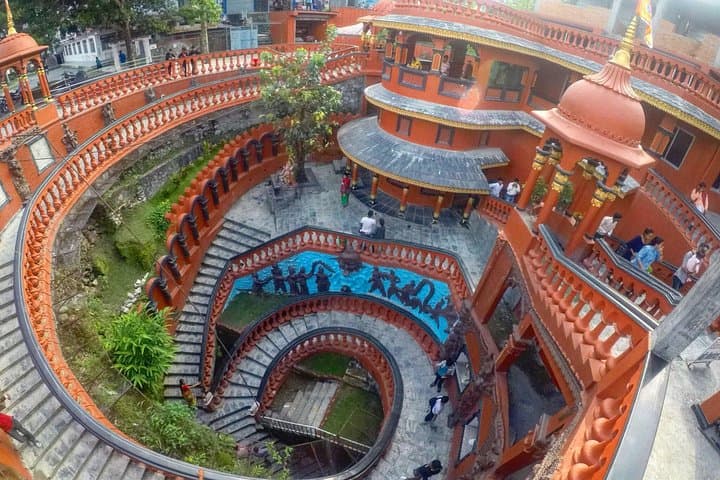
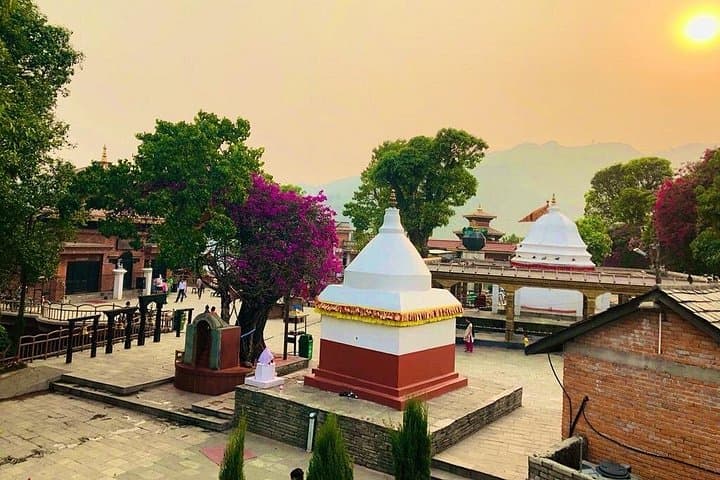
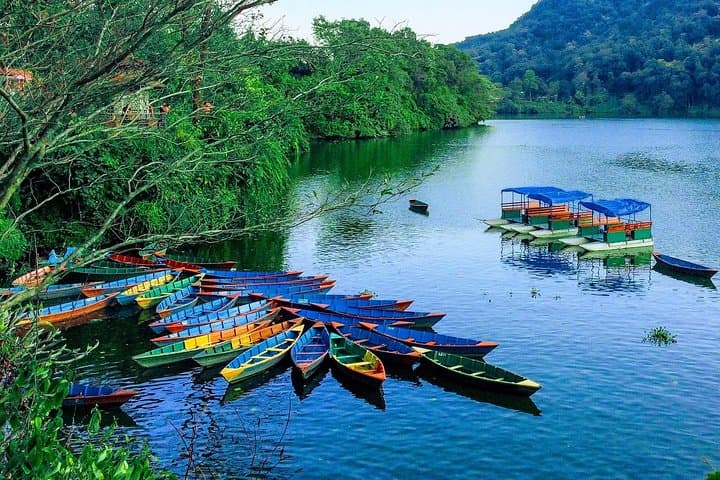
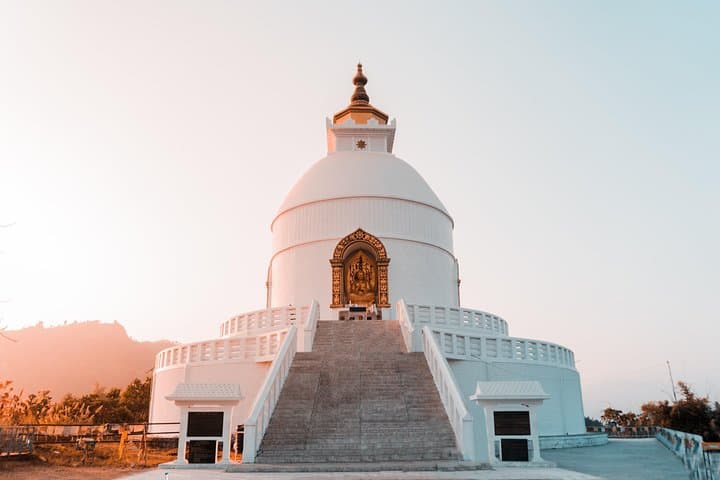
A rowboat cuts across the glass of Phewa Lake and the small pagoda of Tal Barahi rises like an island guardian—this is how a religious day in Pokhara begins. The guide leads you from the bustling Bindhyabasini Temple above the old bazaar to the dim, cool passages of Gupteshwor and Mahendra caves, and finally up to the ridgeline at Sarangkot where the Annapurna range slides into gold at sunset.
Verified experiences and guided adventures in the surrounding area.
Operated by Altitude Himalaya · Pokhara, Kaski
A rowboat cuts across the glass of Phewa Lake and the small pagoda of Tal Barahi rises like an island guardian—this is how a religious day in Pokhara begins. The guide leads you from the bustling Bindhyabasini Temple above the old bazaar to the dim, cool passages of Gupteshwor and Mahendra caves, and finally up to the ridgeline at Sarangkot where the Annapurna range slides into gold at sunset.
Polished stone, limestone caverns and fast-moving water tell the geological story: Mahendra and Gupteshwor are carved in karst limestone while the water at Davis Falls vanishes into an underground tunnel that feeds those caves. Culturally, Bindhyabasini and Tal Barahi anchor local Hindu and Buddhist practice—offerings, small shrines and periodic animal sacrifices during major festivals mark a continuity of devotion.
Expect practical realities: cave floors are uneven and lit with modest bulbs, some temple areas strictly prohibit photography, and viewpoints like Sarangkot are best timed for early morning or dusk light. The full loop is a long day—roughly 8–10 hours of gentle walking, short boat rides and vehicle transfers—so plan for hydration, sunscreen, and modest clothing for temple visits.
Local guides typically handle entrance logistics and short boat transfers, but bring cash for small fees and souvenirs. Move deliberately through each site: let the cool cave breath slow your pace, watch the river of people at Bindhyabasini, and save time to walk a quieter ridge near Sarangkot if the main lookout is crowded.
easy.
8–10 hours.
Suitable for most fitness levels; expect several short walks, stairs in caves, and brief boat rides
This tour description lists entrance fees for caves, Davis Falls, Peace Stupa and Sarangkot as included, but bring cash for incidental local charges like boat rides if not covered.
The tour listing notes stroller and wheelchair accessibility for some segments, but caves and certain viewpoints include stairs and uneven ground—check with the operator about exact accessibility before booking.
Photography is allowed in many outdoor areas, but some shrines—especially inside Gupteshwor’s main Shiva temple—may prohibit photography; follow signs and guide instructions.
Dawn and dusk provide the best light on the Annapurna range; arrive at least 30 minutes early for clear views and to avoid crowding.
Bindhyabasini and Tal Barahi are long-standing religious sites in the Kaski region, with Tal Barahi built on a lake island and Bindhyabasini serving as Pokhara’s guardian deity for centuries.
Phewa Lake and the caves face pressure from tourism—use marked paths, avoid litter, and support local guides who follow low-impact practices.
Altitude Himalaya operates guided outdoor trips and adventures with an emphasis on safety, stewardship, and memorable experiences.
A rowboat cuts across the glass of Phewa Lake and the small pagoda of Tal Barahi rises like an island guardian—this is how a religious day in Pokhara begins. The guide leads you from the bustling Bindhyabasini Temple above the old bazaar to the dim, cool passages of Gupteshwor and Mahendra caves, and finally up to the ridgeline at Sarangkot where the Annapurna range slides into gold at sunset.
A rowboat cuts across the glass of Phewa Lake and the small pagoda of Tal Barahi rises like an island guardian—this is how a religious day in Pokhara begins. The guide leads you from the bustling Bindhyabasini Temple above the old bazaar to the dim, cool passages of Gupteshwor and Mahendra caves, and finally up to the ridgeline at Sarangkot where the Annapurna range slides into gold at sunset.
Polished stone, limestone caverns and fast-moving water tell the geological story: Mahendra and Gupteshwor are carved in karst limestone while the water at Davis Falls vanishes into an underground tunnel that feeds those caves. Culturally, Bindhyabasini and Tal Barahi anchor local Hindu and Buddhist practice—offerings, small shrines and periodic animal sacrifices during major festivals mark a continuity of devotion.
Expect practical realities: cave floors are uneven and lit with modest bulbs, some temple areas strictly prohibit photography, and viewpoints like Sarangkot are best timed for early morning or dusk light. The full loop is a long day—roughly 8–10 hours of gentle walking, short boat rides and vehicle transfers—so plan for hydration, sunscreen, and modest clothing for temple visits.
Local guides typically handle entrance logistics and short boat transfers, but bring cash for small fees and souvenirs. Move deliberately through each site: let the cool cave breath slow your pace, watch the river of people at Bindhyabasini, and save time to walk a quieter ridge near Sarangkot if the main lookout is crowded.