THE ADVENTURE COLLECTIVE® · Independent discovery and booking for outdoor travel

A compact, four-day trek from Pokhara to Poon Hill that times a sunrise summit for sweeping views of Annapurna and Dhaulagiri. Expect steep stone steps, rhododendron forests, village tea-houses, and culturally rich Magar and Gurung communities.
A compact, four-day trek from Pokhara to Poon Hill that times a sunrise summit for sweeping views of Annapurna and Dhaulagiri. Expect steep stone steps, rhododendron forests, village tea-houses, and culturally rich Magar and Gurung communities.
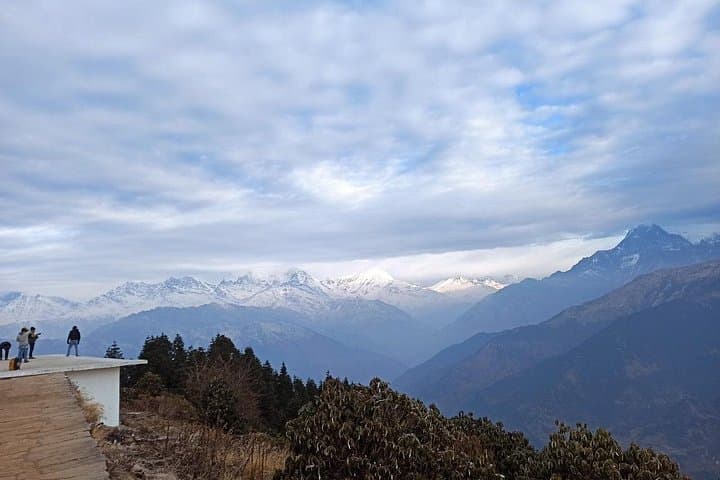
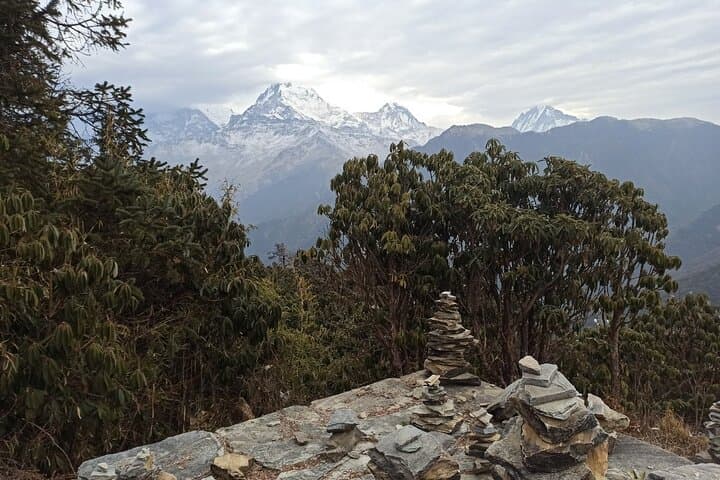
Pre-dawn cold bites the air as you climb the final stone steps toward Poon Hill. Headlamps bob through rhododendron forests; above, a clear horizon waits. By the time the sun slides up behind Annapurna I and Dhaulagiri, light carves the giants into ribbed gold — a sunrise that defines this corner of the Himalaya.
Verified experiences and guided adventures in the surrounding area.
Operated by Nomad Mountain Club - NMC · Pokhara, Gandaki Province
Pre-dawn cold bites the air as you climb the final stone steps toward Poon Hill. Headlamps bob through rhododendron forests; above, a clear horizon waits. By the time the sun slides up behind Annapurna I and Dhaulagiri, light carves the giants into ribbed gold — a sunrise that defines this corner of the Himalaya.
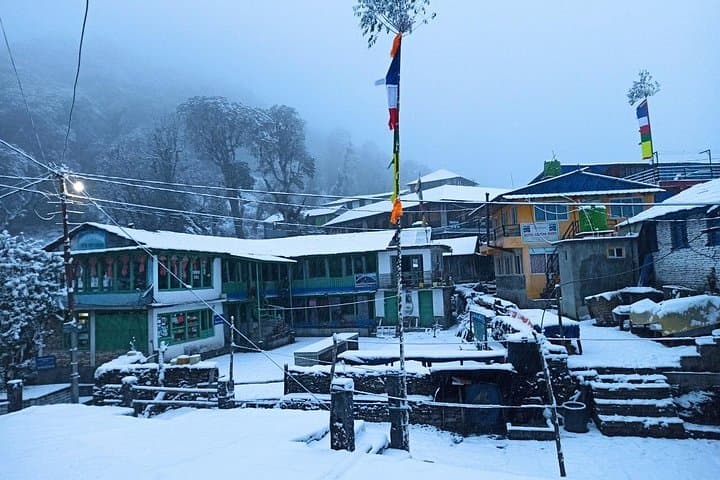
The route follows age-old trade paths and village steps used by Magar and Gurung communities for generations. Geologically the trail skirts the southern flanks of the Annapurna massif, where rugged sedimentary layers rise abruptly from terraced farmland. Along the way, village life remains visible: stone houses, prayer flags, and mani walls mark a culture tied to yak trails and seasonal harvests.
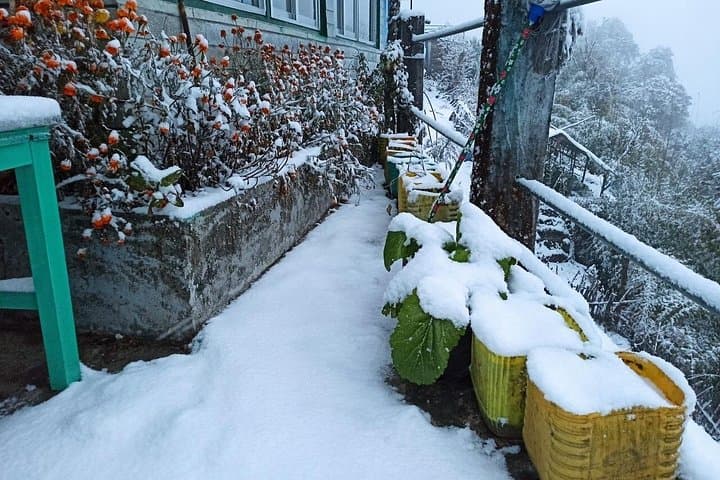
Expect varied terrain — steep stone stairways, packed-earth trails and forest tracks threaded with waterfalls and spring-fed streams. Villages like Ulleri, Ghorepani and Ghandruk are living museums of local architecture and cuisine; tea-house hospitality is standard and food is simple, hearty and carbohydrate-rich.
Practical guidance: acclimatize gently — the highest point (Poon Hill) reaches about 3,210 m — and plan for 3–6 hours of walking on most days. Footwear with good ankle support, a warm midlayer for summit views, and a waterproof shell for monsoon showers are essential. Guides handle permits (ACAP/TIMS) and logistics; carry a passport copy for permit entry and enough cash for tea-house purchases.
This trek is compact, highly accessible from Pokhara, and delivers classic Himalayan panoramas with cultural contact and manageable daily mileage — ideal for trekkers seeking high-mountain views without technical climbing.
moderate.
4 days.
Moderate — able to hike 3–6 hours per day on uneven, steep trails and carry a daypack; basic stamina required.
Yes — the Annapurna Conservation Area Permit (ACAP) and a TIMS card are required; guides typically arrange these with a passport copy.
Spring (March–May) and autumn (Sept–Nov) offer the clearest mountain views and stable weather; monsoon summer is greener but wetter.
It’s considered moderate: no technical climbing, but expect steep stair climbs and high-altitude walking up to ~3,210 m, so basic fitness is necessary.
Tea-house guest houses provide simple dorms or twin rooms and home-cooked meals like dal bhat, noodles and soups; bring small-cash for extras.
The trail follows centuries-old trans-Himalayan routes used by Magar and Gurung communities; villages served as waystations for trade and livestock movement.
This trek lies within the Annapurna Conservation Area — ACAP fees support trail maintenance and community projects; practice leave-no-trace and minimize single-use plastics.
Nomad Mountain Club - NMC operates guided outdoor trips and adventures with an emphasis on safety, stewardship, and memorable experiences.
Pre-dawn cold bites the air as you climb the final stone steps toward Poon Hill. Headlamps bob through rhododendron forests; above, a clear horizon waits. By the time the sun slides up behind Annapurna I and Dhaulagiri, light carves the giants into ribbed gold — a sunrise that defines this corner of the Himalaya.
Pre-dawn cold bites the air as you climb the final stone steps toward Poon Hill. Headlamps bob through rhododendron forests; above, a clear horizon waits. By the time the sun slides up behind Annapurna I and Dhaulagiri, light carves the giants into ribbed gold — a sunrise that defines this corner of the Himalaya.
The route follows age-old trade paths and village steps used by Magar and Gurung communities for generations. Geologically the trail skirts the southern flanks of the Annapurna massif, where rugged sedimentary layers rise abruptly from terraced farmland. Along the way, village life remains visible: stone houses, prayer flags, and mani walls mark a culture tied to yak trails and seasonal harvests.
Expect varied terrain — steep stone stairways, packed-earth trails and forest tracks threaded with waterfalls and spring-fed streams. Villages like Ulleri, Ghorepani and Ghandruk are living museums of local architecture and cuisine; tea-house hospitality is standard and food is simple, hearty and carbohydrate-rich.
Practical guidance: acclimatize gently — the highest point (Poon Hill) reaches about 3,210 m — and plan for 3–6 hours of walking on most days. Footwear with good ankle support, a warm midlayer for summit views, and a waterproof shell for monsoon showers are essential. Guides handle permits (ACAP/TIMS) and logistics; carry a passport copy for permit entry and enough cash for tea-house purchases.
This trek is compact, highly accessible from Pokhara, and delivers classic Himalayan panoramas with cultural contact and manageable daily mileage — ideal for trekkers seeking high-mountain views without technical climbing.