THE ADVENTURE COLLECTIVE® · Independent discovery and booking for outdoor travel

See Pokhara’s top sights in a single day: hilltop temples, karst caves, a dramatic waterfall and a glittering lake—without the planning stress. This sharing minibus tour pairs local context with practical stops for first-time visitors.
See Pokhara’s top sights in a single day: hilltop temples, karst caves, a dramatic waterfall and a glittering lake—without the planning stress. This sharing minibus tour pairs local context with practical stops for first-time visitors.
Morning light slips across Phewa Lake as the minibus pulls away from Lakeside—lamps blinking into the still water, the air scented with wood smoke and tea. Over six to seven hours the tour stitches together Pokhara’s street-level energy and its surrounding natural features: a compact run through a hilltop temple, two caves, a waterfall, and at least one broad freshwater lake.
Verified experiences and guided adventures in the surrounding area.
Operated by Arpan Nepal · Pokhara, Gandaki Province
Morning light slips across Phewa Lake as the minibus pulls away from Lakeside—lamps blinking into the still water, the air scented with wood smoke and tea. Over six to seven hours the tour stitches together Pokhara’s street-level energy and its surrounding natural features: a compact run through a hilltop temple, two caves, a waterfall, and at least one broad freshwater lake.
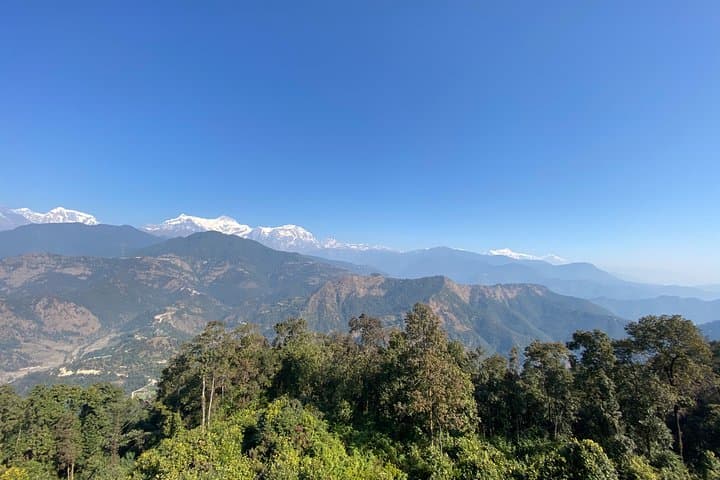
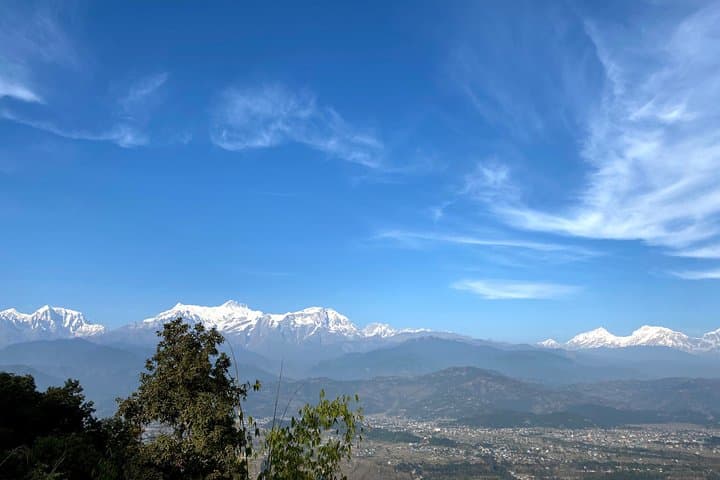
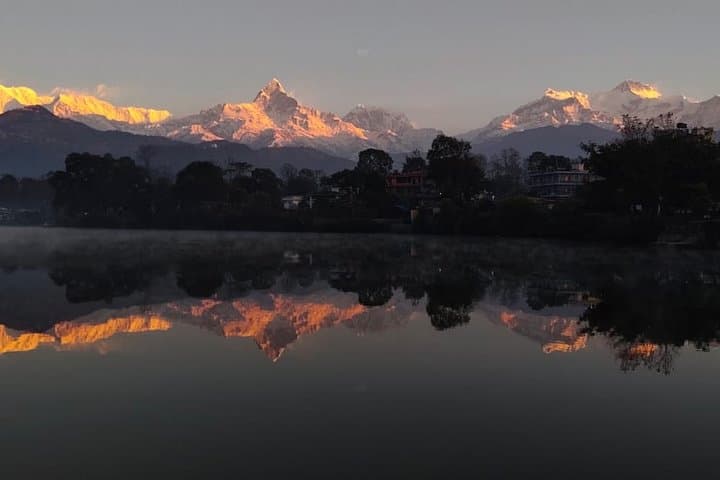
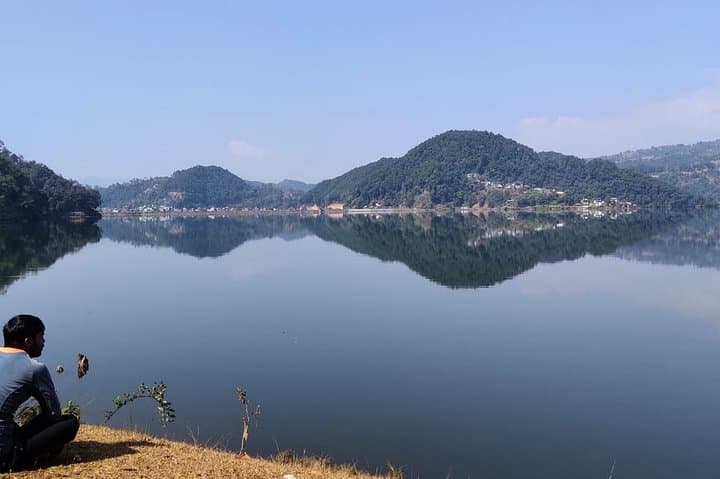
Pokhara grew from a trading crossroads between the Kathmandu Valley and the trans-Himalayan routes. Geologically, the area sits at the fringe of the Lesser Himalaya; caves here are formed in soluble limestone, and the rivers carve deep gorges through recent uplift. The itinerary usually includes Bindhyabasini or similar hill temples (note shoes and modest dress), karst caves like Gupteshwor and Mahendra, the plunging Devi’s Fall, and the broad, calm surface of Phewa Lake—the lake that offers reflections of Annapurna on clear days.
Practical guidance: the tour is low-impact walking with short stops (25–60 minutes each) and hotel pickup within the Lakeside area. Expect uneven cave floors, steps at waterfalls, and basic minibus seating; carry 1–1.5 liters of water, a light rain layer in monsoon months, and small-denomination Nepalese rupees for local admissions and boat rides. Aim for early mornings to avoid crowds and mid-afternoon storms in summer. Respect local customs at religious sites, give space on narrow cave paths, and leave no trace—Pokhara’s lakes and trails are under pressure from tourism. This sharing tour is a practical, efficient way to sample Pokhara’s highlights when time is limited.
easy.
6–7 hours.
Suitable for most fitness levels—requires short walks, some stairs and uneven cave floors.
The tour runs about 6–7 hours (360–420 minutes), with pickup and drop-off inside Pokhara’s Lakeside area.
Entrance fees and boat rides are typically not included—bring cash for local admissions and optional activities.
Yes—physical demands are low, but caves and waterfall areas have uneven surfaces and steps; supervise children and allow extra time.
Guides commonly speak English and Nepali; confirm at booking if you need a specific language.
Pokhara developed as a trade stop on routes connecting the Kathmandu Valley to Tibet and later became a gateway for Annapurna treks.
Tourism pressures on lakes and cave sites have increased waste and shoreline development; support local conservation by using marked paths, avoiding plastics, and hiring local guides.
Arpan Nepal operates guided outdoor trips and adventures with an emphasis on safety, stewardship, and memorable experiences.
Morning light slips across Phewa Lake as the minibus pulls away from Lakeside—lamps blinking into the still water, the air scented with wood smoke and tea. Over six to seven hours the tour stitches together Pokhara’s street-level energy and its surrounding natural features: a compact run through a hilltop temple, two caves, a waterfall, and at least one broad freshwater lake.
Morning light slips across Phewa Lake as the minibus pulls away from Lakeside—lamps blinking into the still water, the air scented with wood smoke and tea. Over six to seven hours the tour stitches together Pokhara’s street-level energy and its surrounding natural features: a compact run through a hilltop temple, two caves, a waterfall, and at least one broad freshwater lake.
Pokhara grew from a trading crossroads between the Kathmandu Valley and the trans-Himalayan routes. Geologically, the area sits at the fringe of the Lesser Himalaya; caves here are formed in soluble limestone, and the rivers carve deep gorges through recent uplift. The itinerary usually includes Bindhyabasini or similar hill temples (note shoes and modest dress), karst caves like Gupteshwor and Mahendra, the plunging Devi’s Fall, and the broad, calm surface of Phewa Lake—the lake that offers reflections of Annapurna on clear days.
Practical guidance: the tour is low-impact walking with short stops (25–60 minutes each) and hotel pickup within the Lakeside area. Expect uneven cave floors, steps at waterfalls, and basic minibus seating; carry 1–1.5 liters of water, a light rain layer in monsoon months, and small-denomination Nepalese rupees for local admissions and boat rides. Aim for early mornings to avoid crowds and mid-afternoon storms in summer. Respect local customs at religious sites, give space on narrow cave paths, and leave no trace—Pokhara’s lakes and trails are under pressure from tourism. This sharing tour is a practical, efficient way to sample Pokhara’s highlights when time is limited.