THE ADVENTURE COLLECTIVE® · Independent discovery and booking for outdoor travel

Cover Pokhara’s top sights in one flexible loop: hilltop Peace Stupa, the underground Davis Falls and Gupteshwor Caves, lakeside Fewa boating, and lakeside culture. A seven‑hour hop-on hop-off bus gives you time to explore at each stop without hiring separate transport.
Cover Pokhara’s top sights in one flexible loop: hilltop Peace Stupa, the underground Davis Falls and Gupteshwor Caves, lakeside Fewa boating, and lakeside culture. A seven‑hour hop-on hop-off bus gives you time to explore at each stop without hiring separate transport.
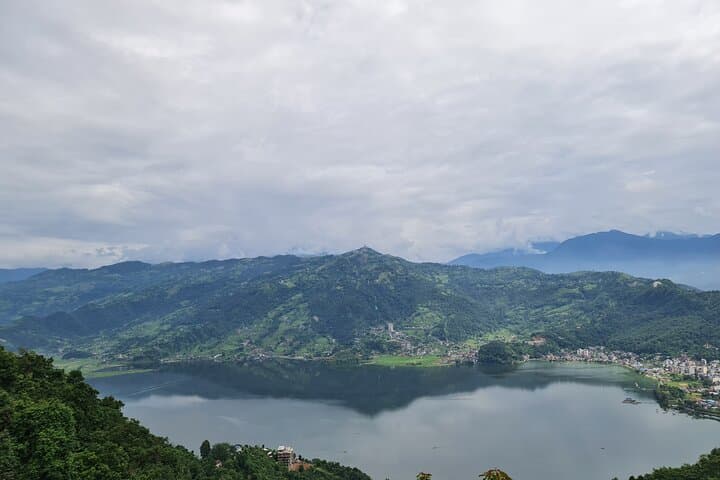
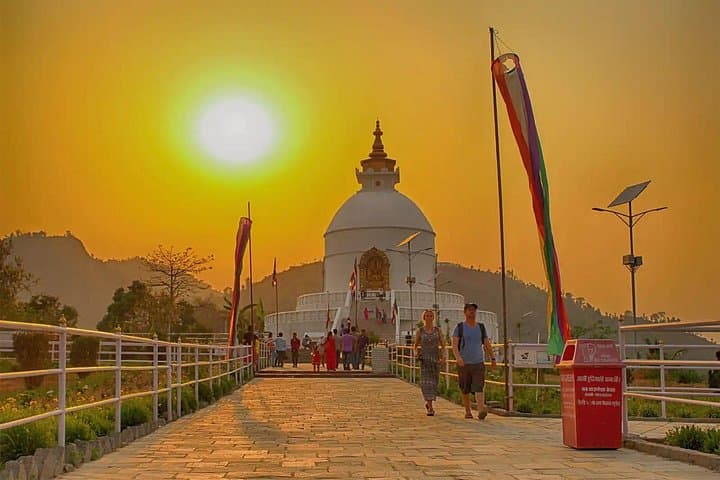
The bus eases away from Lakeside at 9:30 a.m., windows framing the first sharp teeth of the Annapurna range as you head for the hilltop Peace Stupa. Air carries the lake’s damp coolness and the city’s constant churn; in a single day the route moves from reflective water to cavern shadow and a carved river gorge.
Verified experiences and guided adventures in the surrounding area.
Operated by Peak to Peak Tours and Treks Pvt Ltd · Pokhara, Gandaki Province
The bus eases away from Lakeside at 9:30 a.m., windows framing the first sharp teeth of the Annapurna range as you head for the hilltop Peace Stupa. Air carries the lake’s damp coolness and the city’s constant churn; in a single day the route moves from reflective water to cavern shadow and a carved river gorge.
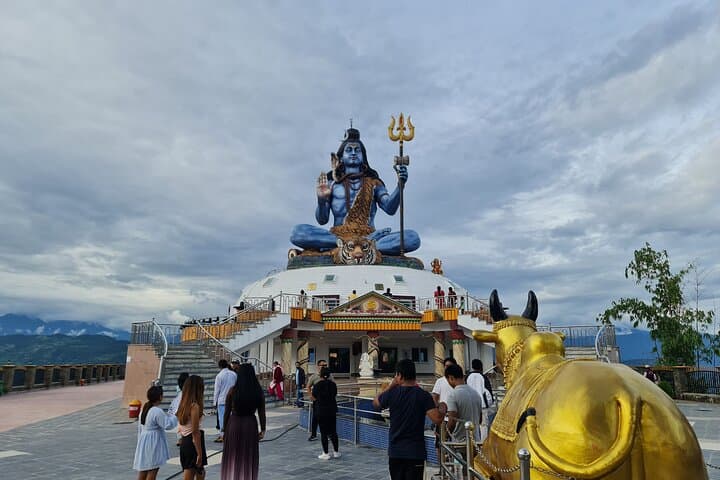
Pokhara grew as a trade and resting point for Himalayan caravans; today its attractions reflect layers of geology and culture — the karst caves of Gupteshwor, the subterranean plunge of Davis Falls where torrents vanish through limestone, and the modern concrete presence of the Pumdikot Shiva statue watching over the valley. Bindabasini Temple and the Gorkha Museum reveal local faith and martial history, while the Seti River gorge exposes raw river-cut canyons that feel alive with movement.
This hop-on hop-off service is practical: seven hours of looping transportation and a basic guide, ideal for travelers who want flexibility without arranging taxis. Expect short walks at most stops, steps into caves, and uneven viewpoints at the stupa and Pumdikot. Bring steady footwear, a light rain layer, and time your visits to avoid midday crowds at Fewa Lake and Peace Stupa.
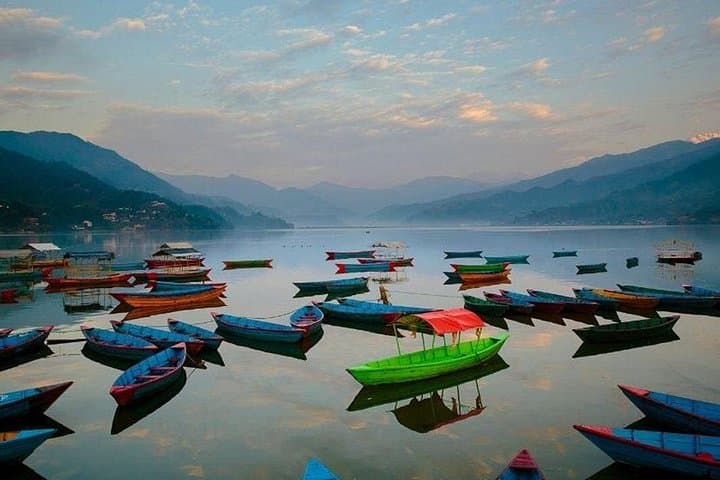
Plan photography at sunrise or late afternoon for softer light on the lake and mountains. If you want to boat on Fewa, reserve time at the end of the loop. The day trades deep immersion for breadth — a single, efficient way to sample Pokhara’s landscape, culture, and geology before choosing what deserves a longer stay.
easy.
7 hours.
Suitable for most fitness levels; requires short walks and some stairs at attractions
The tour departs from Lakeside at about 9:30 a.m. and runs roughly seven hours as a hop-on hop-off loop covering major Pokhara sites.
Yes — the service is hop-on hop-off, letting you spend more time at preferred attractions and reboard at scheduled stops.
Yes; the itinerary is rated easy with short walks, but caves and falls include stairs—assistive mobility may be needed for some sites.
Basic guide services and shared transportation are included; boat rides and museum entry fees are typically extra.
Pokhara developed as a caravan and trading stop en route to the Annapurna region; temples like Bindabasini reflect the city’s long local religious traditions.
Fewa Lake faces pollution pressures from tourism and runoff; choose responsible boat operators, minimize plastic use, and follow marked paths to reduce erosion.
Peak to Peak Tours and Treks Pvt Ltd operates guided outdoor trips and adventures with an emphasis on safety, stewardship, and memorable experiences.
The bus eases away from Lakeside at 9:30 a.m., windows framing the first sharp teeth of the Annapurna range as you head for the hilltop Peace Stupa. Air carries the lake’s damp coolness and the city’s constant churn; in a single day the route moves from reflective water to cavern shadow and a carved river gorge.
The bus eases away from Lakeside at 9:30 a.m., windows framing the first sharp teeth of the Annapurna range as you head for the hilltop Peace Stupa. Air carries the lake’s damp coolness and the city’s constant churn; in a single day the route moves from reflective water to cavern shadow and a carved river gorge.
Pokhara grew as a trade and resting point for Himalayan caravans; today its attractions reflect layers of geology and culture — the karst caves of Gupteshwor, the subterranean plunge of Davis Falls where torrents vanish through limestone, and the modern concrete presence of the Pumdikot Shiva statue watching over the valley. Bindabasini Temple and the Gorkha Museum reveal local faith and martial history, while the Seti River gorge exposes raw river-cut canyons that feel alive with movement.
This hop-on hop-off service is practical: seven hours of looping transportation and a basic guide, ideal for travelers who want flexibility without arranging taxis. Expect short walks at most stops, steps into caves, and uneven viewpoints at the stupa and Pumdikot. Bring steady footwear, a light rain layer, and time your visits to avoid midday crowds at Fewa Lake and Peace Stupa.
Plan photography at sunrise or late afternoon for softer light on the lake and mountains. If you want to boat on Fewa, reserve time at the end of the loop. The day trades deep immersion for breadth — a single, efficient way to sample Pokhara’s landscape, culture, and geology before choosing what deserves a longer stay.