THE ADVENTURE COLLECTIVE® · Independent discovery and booking for outdoor travel

Spend 2–3 hours exploring Pokhara’s essentials: a boat-glide on Phewa Lake, the cavernous drop of Devi’s Fall, and a walk across the suspension bridge above the Seti gorge. This short private tour is ideal for travelers who want a focused introduction to the city’s natural highlights.
Spend 2–3 hours exploring Pokhara’s essentials: a boat-glide on Phewa Lake, the cavernous drop of Devi’s Fall, and a walk across the suspension bridge above the Seti gorge. This short private tour is ideal for travelers who want a focused introduction to the city’s natural highlights.
A morning on the lakeshore begins with cool air off Phewa (Fewa) Lake and the silhouette of the Annapurna massif in the distance. Walkers and boatmen share the wooden jetties as gulls wheel; the surface of the lake reflects temples and terraced hills, while foothill trails lead toward a short canyon where water vanishes into stone.
Verified experiences and guided adventures in the surrounding area.
Operated by Swami Narayan Travels Pvt Ltd · Pokhara, Gandaki Province
A morning on the lakeshore begins with cool air off Phewa (Fewa) Lake and the silhouette of the Annapurna massif in the distance. Walkers and boatmen share the wooden jetties as gulls wheel; the surface of the lake reflects temples and terraced hills, while foothill trails lead toward a short canyon where water vanishes into stone.
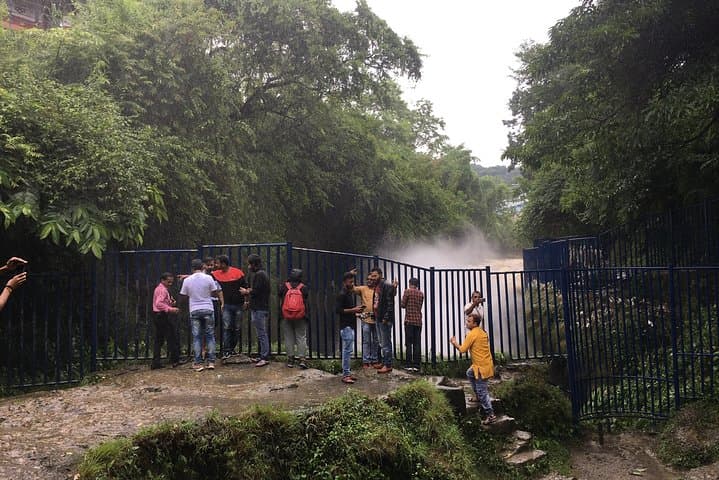
This compact circuit hits three distinct faces of Pokhara. Phewa Lake is a shallow freshwater basin shaped by glacial deposits and centuries of human use; boating here has been part of local life for generations. Devi’s Fall (Patale Chango) pours through a collapsed limestone cave into an underground channel — the plunge is geological, not theatrical — and the nearby suspension bridge spans the Seti River gorge, a place where the river’s turquoise current has carved narrow walls and dramatic rock faces.
Culturally, lakeside “Lakeside” is a mix of Newari and Gurung communities serving tea, boat rides and trekking logistics; vendors sell snacks and traditional crafts. Geologically, the area sits on young Himalayan deposits so expect steps, short climbs and wet, slippery rock near the falls.
Practical guidance: the full circuit takes 2–3 hours with minimal elevation gain and short, paved or compacted tracks between sights. Wear grippy shoes for slick stone at Devi’s Fall, bring cash for boat rentals and small entrance fees, and time your visit for early morning or late afternoon light when the mountains are most visible. A light rain layer is useful in the monsoon; carry water, sun protection and a camera with a weather cover.
easy.
2–3 hours.
Suitable for most fitness levels — short walks and minimal elevation gain; some stairs at the falls.
Boat rides are usually optional and paid locally; the tour often includes a lakeside stop where you can add a short boat trip.
This listing notes admission is not included; expect a small local fee to enter the viewing area at the falls.
The area includes paved sections but has stairs and uneven rock near the falls and suspension bridge, so full wheelchair access is limited.
On clear days you can see portions of the Annapurna range from the lakeshore and western viewpoints; visibility depends on weather and season.
Devi’s Fall (locally Patale Chango) is known for the dramatic plunge where water disappears into a limestone tunnel; Phewa Lake has long been a center for settlement and small-scale fishing around Pokhara.
Phewa Lake faces nutrient run-off and occasional invasive plants; support local operators who follow waste-management practices and avoid single-use plastics.
Swami Narayan Travels Pvt Ltd operates guided outdoor trips and adventures with an emphasis on safety, stewardship, and memorable experiences.


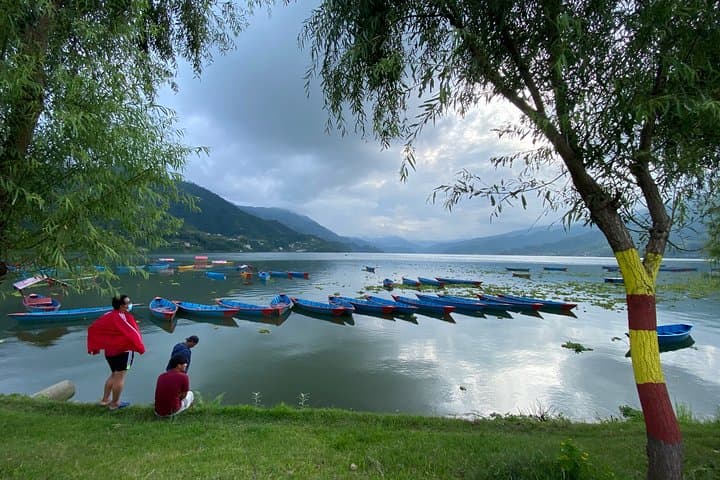
A morning on the lakeshore begins with cool air off Phewa (Fewa) Lake and the silhouette of the Annapurna massif in the distance. Walkers and boatmen share the wooden jetties as gulls wheel; the surface of the lake reflects temples and terraced hills, while foothill trails lead toward a short canyon where water vanishes into stone.
A morning on the lakeshore begins with cool air off Phewa (Fewa) Lake and the silhouette of the Annapurna massif in the distance. Walkers and boatmen share the wooden jetties as gulls wheel; the surface of the lake reflects temples and terraced hills, while foothill trails lead toward a short canyon where water vanishes into stone.
This compact circuit hits three distinct faces of Pokhara. Phewa Lake is a shallow freshwater basin shaped by glacial deposits and centuries of human use; boating here has been part of local life for generations. Devi’s Fall (Patale Chango) pours through a collapsed limestone cave into an underground channel — the plunge is geological, not theatrical — and the nearby suspension bridge spans the Seti River gorge, a place where the river’s turquoise current has carved narrow walls and dramatic rock faces.
Culturally, lakeside “Lakeside” is a mix of Newari and Gurung communities serving tea, boat rides and trekking logistics; vendors sell snacks and traditional crafts. Geologically, the area sits on young Himalayan deposits so expect steps, short climbs and wet, slippery rock near the falls.
Practical guidance: the full circuit takes 2–3 hours with minimal elevation gain and short, paved or compacted tracks between sights. Wear grippy shoes for slick stone at Devi’s Fall, bring cash for boat rentals and small entrance fees, and time your visit for early morning or late afternoon light when the mountains are most visible. A light rain layer is useful in the monsoon; carry water, sun protection and a camera with a weather cover.