THE ADVENTURE COLLECTIVE® · Independent discovery and booking for outdoor travel

This private half-day from Lakeside Pokhara links three of the city's top short excursions: Devi's (Davi's) Fall, the shrine-filled Gupteshwor Cave, and the hilltop World Peace Stupa. Expect waterfalls, cool cave chambers and panoramic lake-and-mountain views in about four hours.
This private half-day from Lakeside Pokhara links three of the city's top short excursions: Devi's (Davi's) Fall, the shrine-filled Gupteshwor Cave, and the hilltop World Peace Stupa. Expect waterfalls, cool cave chambers and panoramic lake-and-mountain views in about four hours.
You step out from Lakeside into a humid morning where the hills press close and the lake holds a bright mirror to the Annapurna range.
Verified experiences and guided adventures in the surrounding area.
Operated by Pigeon Travel And Tours Pvt Ltd · Pokhara, Gandaki Province
You step out from Lakeside into a humid morning where the hills press close and the lake holds a bright mirror to the Annapurna range.
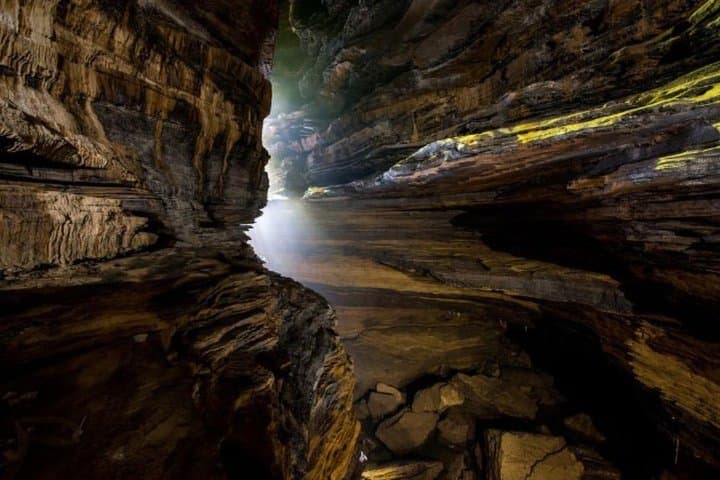
A private vehicle eases you toward Devi’s Fall first, where water hurls itself into an opening and vanishes — the river seems to dare you to follow. The plunge carves a short subterranean tunnel, then travels on beneath Pokhara’s streets. Nearby, Gupteshwor Cave swallows light; within its cool chambers, carved shrines and natural rock formations give the place a layered sense of human and geological time.
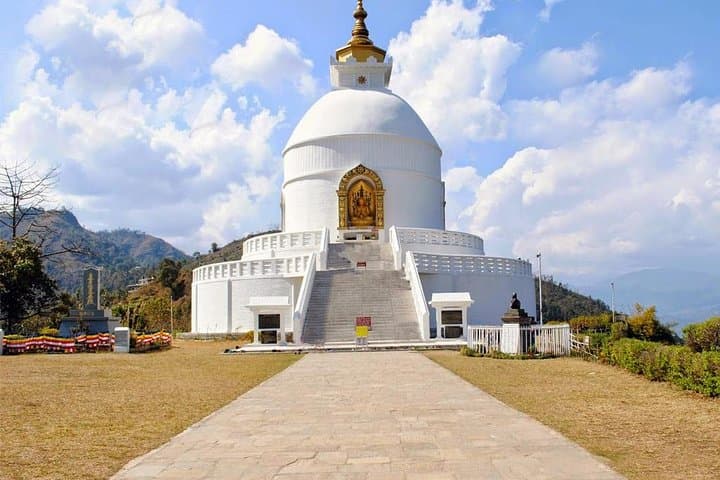
Higher up, the white World Peace Stupa overlooks Phewa Tal; the stupa’s blank surfaces throw back mountain light and make the lake and Annapurnas read like a living map. Built by Japanese Buddhist monks after World War II, this hilltop pagoda is both spiritual marker and practical viewpoint.
Geology and history intersect here: seasonal monsoon flows sculpt the falls and feed subterranean passages, while local devotion and pilgrimage anchor shrines inside the cave.
Practical guidance: the itinerary runs about four hours, with gentle walking, some stairs to reach the stupa, and brief cave steps that can be wet and uneven. Wear grippy shoes, carry a refillable water bottle, and expect pockets of shade and sun. Morning or late afternoon light gives the best photographs and cooler temperatures. If you prefer less walking, boat options on Phewa Lake shorten the climb to the stupa. Guides handle local logistics and hotel pickup, making this half-day loop an efficient way to connect Pokhara’s natural features with its cultural sites.
easy.
4 hours.
Suitable for most fitness levels; involves short walks and stairs to reach viewpoints
The private tour lasts about four hours and typically includes hotel pickup and drop-off in Lakeside Pokhara.
Admission to Devi's Fall, Gupteshwor Cave and the World Peace Stupa is included in the standard itinerary.
Yes — the experience is family-friendly; infants must sit on laps and some areas have stairs and wet surfaces to supervise.
You can shorten the walk by arranging a boat to Phewa Lake’s opposite shore or opting for a taxi partway; the route still involves steps to reach the stupa.
The World Peace Stupa was built by Japanese Buddhist monks after World War II; Devi's Fall is named after a Swiss woman (Davi) who drowned there in 1961, and Gupteshwor Cave contains centuries-old Hindu shrines.
Phewa Lake and nearby sites are sensitive to litter and runoff; using refillable bottles, following marked paths, and respecting temple areas helps reduce tourism impacts.
Pigeon Travel And Tours Pvt Ltd operates guided outdoor trips and adventures with an emphasis on safety, stewardship, and memorable experiences.
You step out from Lakeside into a humid morning where the hills press close and the lake holds a bright mirror to the Annapurna range.
You step out from Lakeside into a humid morning where the hills press close and the lake holds a bright mirror to the Annapurna range.
A private vehicle eases you toward Devi’s Fall first, where water hurls itself into an opening and vanishes — the river seems to dare you to follow. The plunge carves a short subterranean tunnel, then travels on beneath Pokhara’s streets. Nearby, Gupteshwor Cave swallows light; within its cool chambers, carved shrines and natural rock formations give the place a layered sense of human and geological time.
Higher up, the white World Peace Stupa overlooks Phewa Tal; the stupa’s blank surfaces throw back mountain light and make the lake and Annapurnas read like a living map. Built by Japanese Buddhist monks after World War II, this hilltop pagoda is both spiritual marker and practical viewpoint.
Geology and history intersect here: seasonal monsoon flows sculpt the falls and feed subterranean passages, while local devotion and pilgrimage anchor shrines inside the cave.
Practical guidance: the itinerary runs about four hours, with gentle walking, some stairs to reach the stupa, and brief cave steps that can be wet and uneven. Wear grippy shoes, carry a refillable water bottle, and expect pockets of shade and sun. Morning or late afternoon light gives the best photographs and cooler temperatures. If you prefer less walking, boat options on Phewa Lake shorten the climb to the stupa. Guides handle local logistics and hotel pickup, making this half-day loop an efficient way to connect Pokhara’s natural features with its cultural sites.