THE ADVENTURE COLLECTIVE® · Independent discovery and booking for outdoor travel

Take a compact 6–7 hour loop from Lakeside Pokhara to Bindyabasini, Mahendra and Gupteshwor Caves, Seti River gorge, Devi’s Fall and Begnas Lake. This practical day tour mixes easy walking with short cave explorations and scenic viewpoints—ideal for travelers short on time who still want a meaningful taste of Pokhara’s outdoor highlights.
Take a compact 6–7 hour loop from Lakeside Pokhara to Bindyabasini, Mahendra and Gupteshwor Caves, Seti River gorge, Devi’s Fall and Begnas Lake. This practical day tour mixes easy walking with short cave explorations and scenic viewpoints—ideal for travelers short on time who still want a meaningful taste of Pokhara’s outdoor highlights.
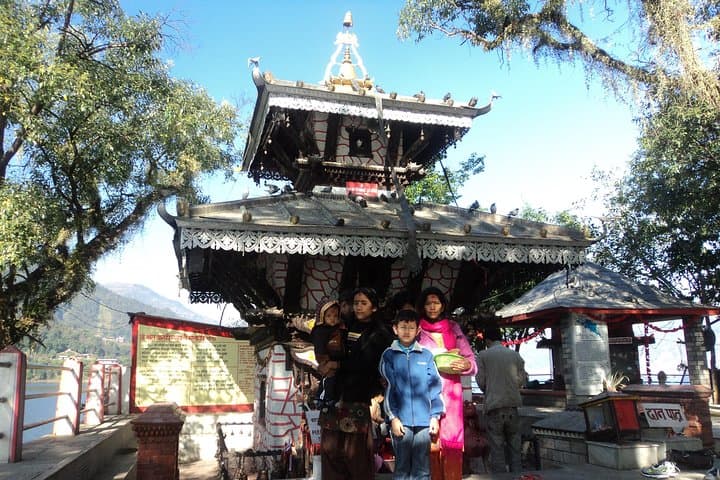
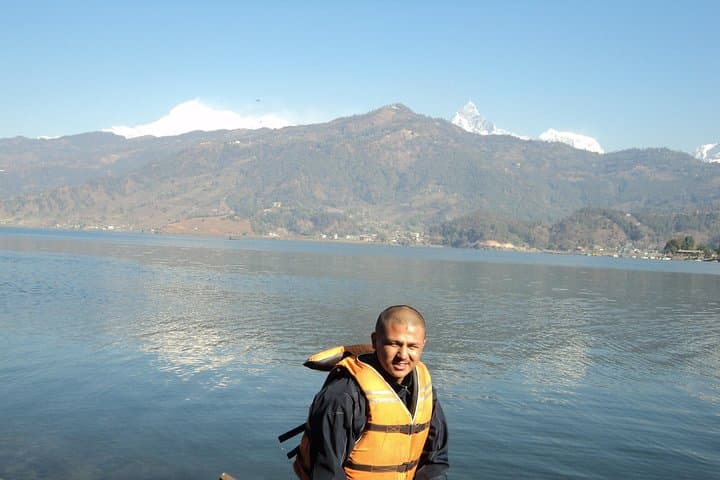
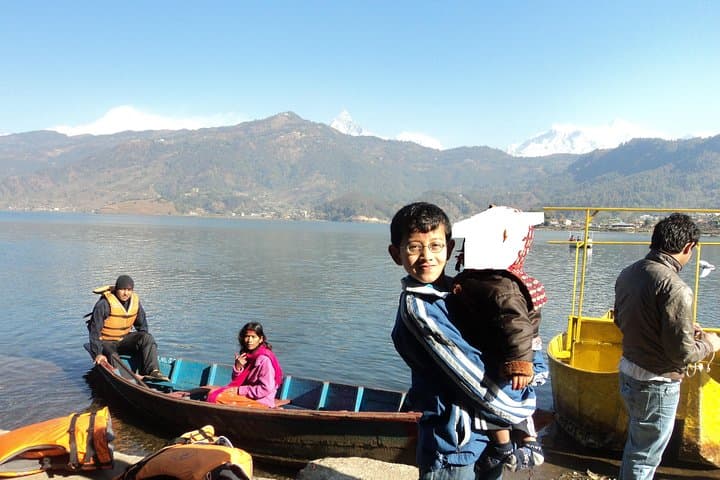
Morning light lifts off Phewa Lake and the bus eases away from Lakeside, the Annapurna skyline watching like an old guardian as travelers head for a day of quick, concentrated discovery. The route threads from Bindyabasini temple’s viewpoint down to narrow cave passages and the raw white cut of the Seti River gorge; each stop has a different cadence—panoramic calm at a lake, compressed hush in a cave, wind-and-spray at Devi’s Fall.
Verified experiences and guided adventures in the surrounding area.
Operated by Couch Adventure Nepal (CAN) · Pokhara, Gandaki Province
Morning light lifts off Phewa Lake and the bus eases away from Lakeside, the Annapurna skyline watching like an old guardian as travelers head for a day of quick, concentrated discovery. The route threads from Bindyabasini temple’s viewpoint down to narrow cave passages and the raw white cut of the Seti River gorge; each stop has a different cadence—panoramic calm at a lake, compressed hush in a cave, wind-and-spray at Devi’s Fall.
Pokhara has long been a crossroads: a trading and pilgrimage hub that later became the gateway for trekking into the Annapurna range. Geologically the area is young—Himalayan uplift and river incision carve deep gorges and hidden caverns—so expect sharp limestone walls, karst caves, and glacially-fed lake basins. Culturally the city blends Hindu, Buddhist, and indigenous Gurung and Magar influences; small temples and shrines appear between souvenir stalls and tea houses.
Practically, the tour runs about 6–7 hours by shared mini-bus with pickup/drop within Lakeside. Stops include Bindyabasini, Mahendra and Gupteshwor Caves, Seti gorge, Devi’s Fall, Begnas Lake and return to Phewa Lake. Walks at each site range from short paved routes to uneven cave floors—comfortable shoes and a steady pace do most of the work. Expect intermittent steps, slick surfaces near water, and crowds at peak times; bring water, a light layer for variable mountain sun, and a camera for the sudden viewpoints. Timing your visit early in the day helps avoid the busiest buses and maximizes mountain visibility.
easy.
6–7 hours.
Suitable for most fitness levels; involves short walks, stairs, and some uneven terrain
The shared tour lasts about 6–7 hours with pickup and drop-off within the Lakeside area of Pokhara.
Most sites have short walks and stairs; they’re generally accessible to families but not recommended for people with serious mobility or spinal issues.
This tour typically does not include individual attraction fees—check with the guide for any site-specific tickets like boat rides or special cave access.
Yes—on clear days the Bindyabasini viewpoint and Lakeside returns offer panoramic views of the Annapurna range, but visibility depends on weather.
Pokhara grew as a trade and pilgrimage stop below the Annapurnas; its temples and village settlements reflect Gurung and Magar communities and centuries of trade routes across the hills.
Lake water quality and cave preservation are local priorities—avoid littering, minimize plastic, and follow guides’ instructions to protect fragile karst formations.
Couch Adventure Nepal (CAN) operates guided outdoor trips and adventures with an emphasis on safety, stewardship, and memorable experiences.
Morning light lifts off Phewa Lake and the bus eases away from Lakeside, the Annapurna skyline watching like an old guardian as travelers head for a day of quick, concentrated discovery. The route threads from Bindyabasini temple’s viewpoint down to narrow cave passages and the raw white cut of the Seti River gorge; each stop has a different cadence—panoramic calm at a lake, compressed hush in a cave, wind-and-spray at Devi’s Fall.
Morning light lifts off Phewa Lake and the bus eases away from Lakeside, the Annapurna skyline watching like an old guardian as travelers head for a day of quick, concentrated discovery. The route threads from Bindyabasini temple’s viewpoint down to narrow cave passages and the raw white cut of the Seti River gorge; each stop has a different cadence—panoramic calm at a lake, compressed hush in a cave, wind-and-spray at Devi’s Fall.
Pokhara has long been a crossroads: a trading and pilgrimage hub that later became the gateway for trekking into the Annapurna range. Geologically the area is young—Himalayan uplift and river incision carve deep gorges and hidden caverns—so expect sharp limestone walls, karst caves, and glacially-fed lake basins. Culturally the city blends Hindu, Buddhist, and indigenous Gurung and Magar influences; small temples and shrines appear between souvenir stalls and tea houses.
Practically, the tour runs about 6–7 hours by shared mini-bus with pickup/drop within Lakeside. Stops include Bindyabasini, Mahendra and Gupteshwor Caves, Seti gorge, Devi’s Fall, Begnas Lake and return to Phewa Lake. Walks at each site range from short paved routes to uneven cave floors—comfortable shoes and a steady pace do most of the work. Expect intermittent steps, slick surfaces near water, and crowds at peak times; bring water, a light layer for variable mountain sun, and a camera for the sudden viewpoints. Timing your visit early in the day helps avoid the busiest buses and maximizes mountain visibility.