THE ADVENTURE COLLECTIVE® · Independent discovery and booking for outdoor travel

A 12-day classic from Pokhara to Annapurna Base Camp that mixes high-mountain panoramas, village culture and varied terrain. Expect long days of trekking, simple lodges, and sunrise views over the Annapurna massif.
A 12-day classic from Pokhara to Annapurna Base Camp that mixes high-mountain panoramas, village culture and varied terrain. Expect long days of trekking, simple lodges, and sunrise views over the Annapurna massif.
You step off the dusty road at Nayapul and the valley breathes around you — terraced fields give way to rhododendron forest, stone steps lead skyward and distant peaks edge the horizon like a promise. Over 12 days the trail pulls you through Gurung villages, river crossings and alpine meadows to the wide amphitheatre of Annapurna Base Camp, where mornings lay gold across a ring of eight-thousanders.
Verified experiences and guided adventures in the surrounding area.
Operated by Adventure Glacier Treks & Expedition · Pokhara, Gandaki Province
You step off the dusty road at Nayapul and the valley breathes around you — terraced fields give way to rhododendron forest, stone steps lead skyward and distant peaks edge the horizon like a promise. Over 12 days the trail pulls you through Gurung villages, river crossings and alpine meadows to the wide amphitheatre of Annapurna Base Camp, where mornings lay gold across a ring of eight-thousanders.
The route follows centuries-old mule tracks and modern conservation zones under ACAP (Annapurna Conservation Area Project). Geologically, the trek crosses younger Himalayan schists and dramatic glacial cirques as you ascend from subtropical foothills to moraine and permanent snow above 3,500 m. Culturally, expect warm homestays in Ghorepani, Ghandruk and Chhomrong — communities of Gurung and Magar who blend hill farming with trekking hospitality.
Practically, the itinerary averages 4–7 hours of walking on varied terrain: stone stairways, forest paths, riverbeds and steep scree above Deurali. Altitude gain is gradual but real: highest sleeping altitude approaches 4,100 m at base camp; acclimatization days and a steady pace reduce acute mountain sickness risk. Lodges provide simple meals and hot drinks; carry a layered sleep system for cold nights.
Plan hydration (1.5–3 L per day), sturdy waterproof boots, a warm down layer for early starts, and a lightweight first-aid kit. Optimal windows are spring and autumn for clear sunrise views; monsoon brings lush forests but slippery trails. Move deliberately, respect local conservation rules, and the trail rewards with sunrise panoramas, hot-spring soak at Jhinu and a direct encounter with high Himalayan landscapes.
challenging.
12 days.
Good cardiovascular fitness with experience walking 4–7 hours a day and the ability to carry a 8–12 kg daypack
Yes—trekkers require an Annapurna Conservation Area Permit (ACAP) and a TIMS card; guides or agencies typically arrange these before departure.
Risk exists above 3,000 m; with gradual ascent, rest days and hydration the majority acclimatize, but know symptoms and descend if they worsen.
Basic mountain lodges with heated dining rooms, simple beds and hot meals; expect shared bathrooms and limited hot-water availability at higher elevations.
Physically fit novices can complete it with proper preparation and a guided itinerary, but prior multi-day hiking experience improves safety and enjoyment.
The Annapurna trail follows traditional trade and herding routes through Gurung and Magar communities; the Annapurna Conservation Area was established in the 1980s to protect this landscape while supporting local livelihoods.
Respect ACAP rules, use refillable water systems to cut plastic waste, and stick to marked trails to limit erosion and disturbance.
Adventure Glacier Treks & Expedition operates guided outdoor trips and adventures with an emphasis on safety, stewardship, and memorable experiences.
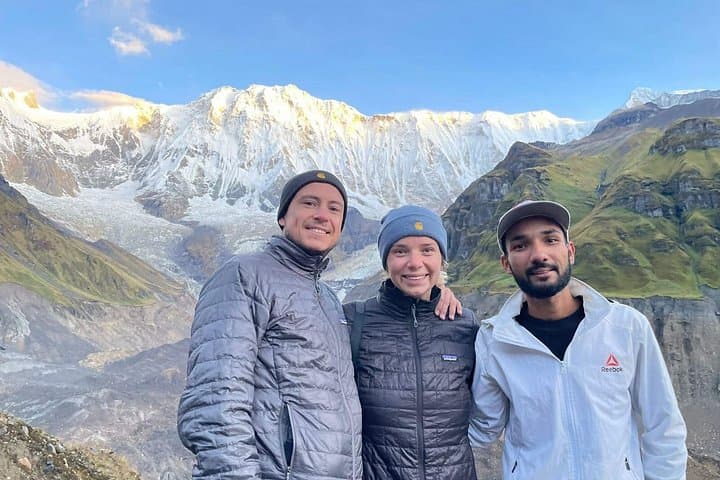
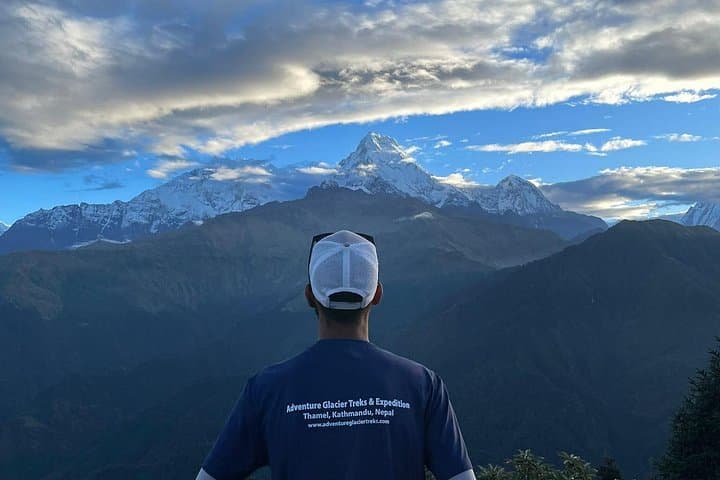
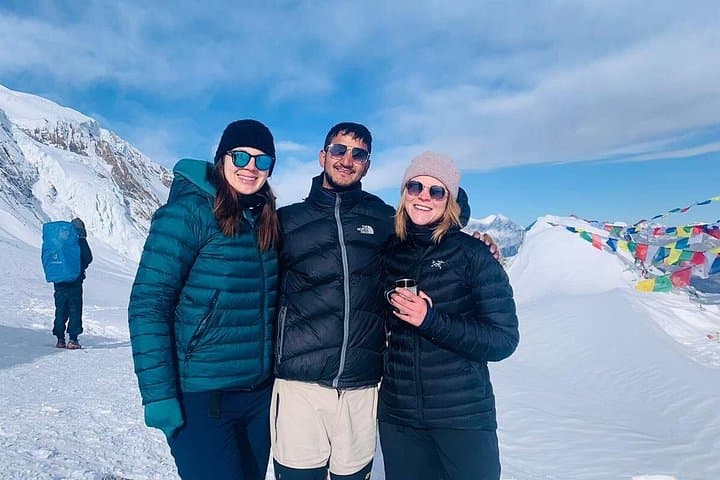
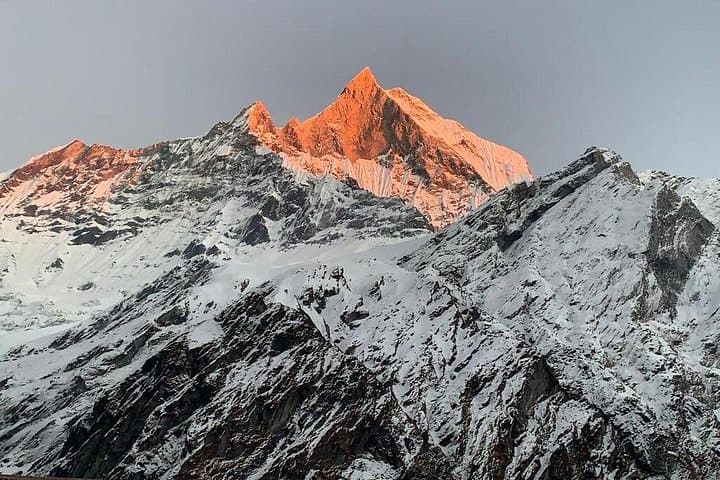
You step off the dusty road at Nayapul and the valley breathes around you — terraced fields give way to rhododendron forest, stone steps lead skyward and distant peaks edge the horizon like a promise. Over 12 days the trail pulls you through Gurung villages, river crossings and alpine meadows to the wide amphitheatre of Annapurna Base Camp, where mornings lay gold across a ring of eight-thousanders.
You step off the dusty road at Nayapul and the valley breathes around you — terraced fields give way to rhododendron forest, stone steps lead skyward and distant peaks edge the horizon like a promise. Over 12 days the trail pulls you through Gurung villages, river crossings and alpine meadows to the wide amphitheatre of Annapurna Base Camp, where mornings lay gold across a ring of eight-thousanders.
The route follows centuries-old mule tracks and modern conservation zones under ACAP (Annapurna Conservation Area Project). Geologically, the trek crosses younger Himalayan schists and dramatic glacial cirques as you ascend from subtropical foothills to moraine and permanent snow above 3,500 m. Culturally, expect warm homestays in Ghorepani, Ghandruk and Chhomrong — communities of Gurung and Magar who blend hill farming with trekking hospitality.
Practically, the itinerary averages 4–7 hours of walking on varied terrain: stone stairways, forest paths, riverbeds and steep scree above Deurali. Altitude gain is gradual but real: highest sleeping altitude approaches 4,100 m at base camp; acclimatization days and a steady pace reduce acute mountain sickness risk. Lodges provide simple meals and hot drinks; carry a layered sleep system for cold nights.
Plan hydration (1.5–3 L per day), sturdy waterproof boots, a warm down layer for early starts, and a lightweight first-aid kit. Optimal windows are spring and autumn for clear sunrise views; monsoon brings lush forests but slippery trails. Move deliberately, respect local conservation rules, and the trail rewards with sunrise panoramas, hot-spring soak at Jhinu and a direct encounter with high Himalayan landscapes.