THE ADVENTURE COLLECTIVE® · Independent discovery and booking for outdoor travel

Dine where Hvar’s agricultural traditions meet the sea: a family-run cooking class and shared dinner in the UNESCO-listed Stari Grad Plain. Taste olive oil-aged cheese, octopus stew and lemon olive oil cake beneath vine and olive shade.
Dine where Hvar’s agricultural traditions meet the sea: a family-run cooking class and shared dinner in the UNESCO-listed Stari Grad Plain. Taste olive oil-aged cheese, octopus stew and lemon olive oil cake beneath vine and olive shade.
You enter the Poje family field on a late-afternoon breeze; olive branches stir as if nudging you toward the long wooden table set beneath grapevine shade. The island smells of salt, lemon rind and crushed oregano — the landscape itself seems to be offering a seat at its table.
Verified experiences and guided adventures in the surrounding area.
Operated by Poje Hvar · Stari Grad, Split-Dalmatia County
You enter the Poje family field on a late-afternoon breeze; olive branches stir as if nudging you toward the long wooden table set beneath grapevine shade. The island smells of salt, lemon rind and crushed oregano — the landscape itself seems to be offering a seat at its table.
The Stari Grad Plain is an agricultural grid laid down by ancient Greek colonists and preserved through centuries of small-scale family farms; its low stone walls and rectangular plots survive as both cultural memory and UNESCO-protected landscape. Geology here is karst limestone—thin soil pockets between rocky outcrops—so vines, olives and lavender claim what water they can, shaping a human history of careful, seasonal husbandry.
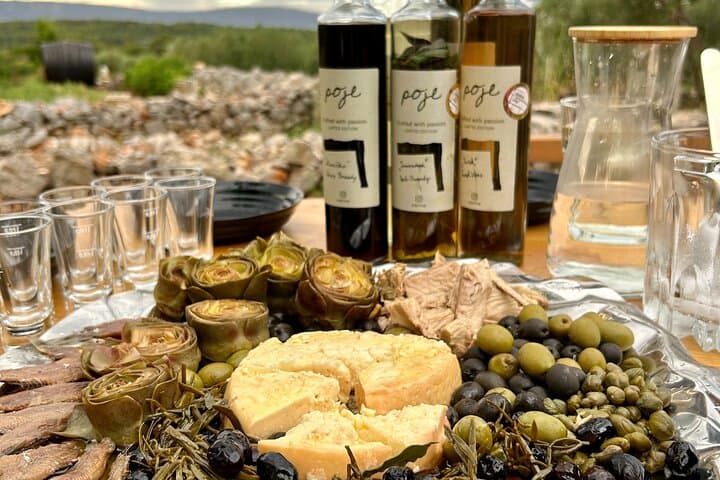
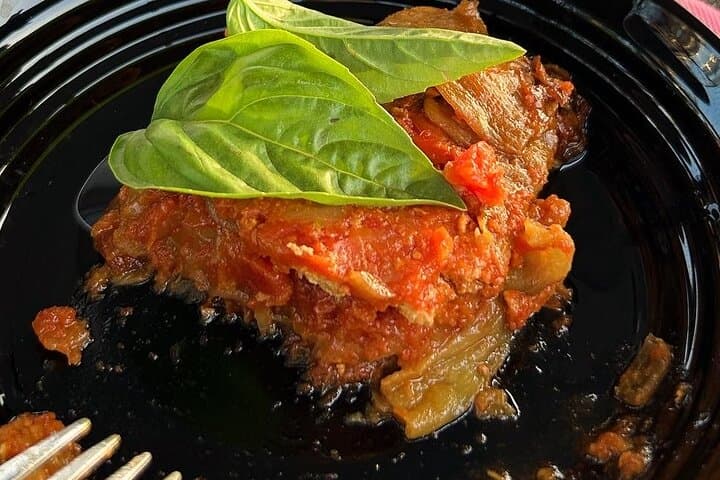
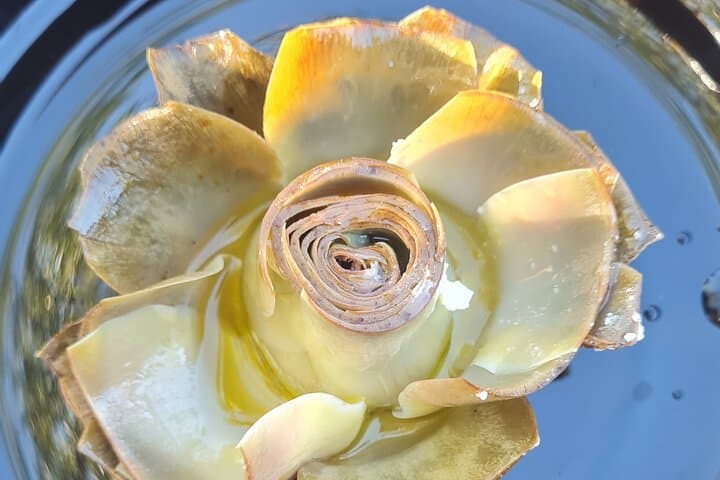
At Poje, meals are a practical expression of that history: goat cheese cured in family olive oil, salted blue fish, tomato pasta made with backyard tomatoes and an octopus stew reliant on that morning’s catch. The event blends hands-on cooking demonstration with a shared dinner, local wines and house-made aperitifs — a sensory primer on Hvar’s coastal agrarian life.
Practical guidance: plan for about two hours, arrive with sun protection and comfortable shoes for the uneven field. Expect conversation at a communal table, small-group pacing (max six guests), and a menu that follows the day’s freshest pickings. Notify hosts of dietary needs in advance. Timing favors late afternoon to capture cooling sea breezes and the best light for photos; bring a light layer for the island’s after-sunset chill.
easy.
2 hours.
Light activity; suitable for most people who can walk short distances and sit for a communal meal
Most guests travel by car or taxi from Stari Grad (the plain is adjacent) or take a 20–40 minute drive from Hvar Town; confirm meeting details with your host when booking.
The offering blends demonstration and hands-on elements; guests can often help with simple tasks but should expect a shared-table dinner format.
Menus follow the day’s fresh catch and family produce—expect staples like Hvar tomato pasta, octopus stew or cuttlefish risotto, with seasonal variations.
Infants are permitted but must sit on an adult’s lap; check with the host for suitability and portioning for young children.
The Stari Grad Plain dates to Greek colonists in the 4th century BCE; its orthogonal field layout and dry-stone walls reflect long-continuous family agriculture.
The plain is UNESCO-listed and managed to protect traditional land-use; guests are encouraged to minimize waste, stick to paths and respect private family groves.
Poje Hvar operates guided outdoor trips and adventures with an emphasis on safety, stewardship, and memorable experiences.

You enter the Poje family field on a late-afternoon breeze; olive branches stir as if nudging you toward the long wooden table set beneath grapevine shade. The island smells of salt, lemon rind and crushed oregano — the landscape itself seems to be offering a seat at its table.
You enter the Poje family field on a late-afternoon breeze; olive branches stir as if nudging you toward the long wooden table set beneath grapevine shade. The island smells of salt, lemon rind and crushed oregano — the landscape itself seems to be offering a seat at its table.
The Stari Grad Plain is an agricultural grid laid down by ancient Greek colonists and preserved through centuries of small-scale family farms; its low stone walls and rectangular plots survive as both cultural memory and UNESCO-protected landscape. Geology here is karst limestone—thin soil pockets between rocky outcrops—so vines, olives and lavender claim what water they can, shaping a human history of careful, seasonal husbandry.
At Poje, meals are a practical expression of that history: goat cheese cured in family olive oil, salted blue fish, tomato pasta made with backyard tomatoes and an octopus stew reliant on that morning’s catch. The event blends hands-on cooking demonstration with a shared dinner, local wines and house-made aperitifs — a sensory primer on Hvar’s coastal agrarian life.
Practical guidance: plan for about two hours, arrive with sun protection and comfortable shoes for the uneven field. Expect conversation at a communal table, small-group pacing (max six guests), and a menu that follows the day’s freshest pickings. Notify hosts of dietary needs in advance. Timing favors late afternoon to capture cooling sea breezes and the best light for photos; bring a light layer for the island’s after-sunset chill.