THE ADVENTURE COLLECTIVE® · Independent discovery and booking for outdoor travel

Explore Point Lobos with a private, app-guided coastal walk that takes you from windswept headlands to sheltered tide pools. Expect geology, marine life, and quiet coves paired with practical tips for parking, tides, and footwear.
Explore Point Lobos with a private, app-guided coastal walk that takes you from windswept headlands to sheltered tide pools. Expect geology, marine life, and quiet coves paired with practical tips for parking, tides, and footwear.
Stand at Whaler’s Cove and the wind rearranges your plans — kelp beds ripple like dark fields while foam chisels the cliffs below. On this private Point Lobos walking tour you trade city noise for the steady punctuation of surf and the sharp scent of cypress resin.
Verified experiences and guided adventures in the surrounding area.
Operated by Pintours · Point Lobos, California
Stand at Whaler’s Cove and the wind rearranges your plans — kelp beds ripple like dark fields while foam chisels the cliffs below. On this private Point Lobos walking tour you trade city noise for the steady punctuation of surf and the sharp scent of cypress resin.
Geology here is visible history: granite headlands scored by waves and old marine terraces reveal the forces that shaped Monterey Bay. Spanish sailors called the area Punta de los Lobos Marinos for the sea lions that haul out on offshore rocks; Ohlone people lived in the region for millennia and left place names and seasonal resource knowledge still echoed in local conservation practices.
The reserve pairs abrupt cliffs with sheltered coves — Whaler’s, Bluefish and China Cove — and a living classroom beneath the surface where kelp forests shelter otters and the underwater reserve protects fragile communities. Cultural threads run through the day: early Carmel fishing history, the preservation movement of the 1930s that saved these acres, and a modern stewardship ethic that limits off-trail travel.
Practical notes: the self-guided app included in the tour lets you pause and linger at viewpoints; plan 3–5 hours, wear sturdy shoes, and time parts of the walk for low tide to examine tide pools safely. Parking is limited — arrive early or be prepared to walk from the park entrance. Layers and binoculars improve every visit: cool, windy mornings give way to sunlit afternoons, and wildlife sightings reward patient observers. Stay on marked trails to protect fragile soils and marine life, and carry out everything you bring in.
easy.
3–5 hours.
Able to walk 3–5 hours over uneven coastal paths; minimal elevation but variable footing
Meet at the Point Lobos entrance near Whaler’s Cove/Bluefish Cove and use the Pintours app with your confirmation code to begin the self-guided experience.
The listing notes stroller access on some paths and suitability for various fitness levels, but sections of the reserve have uneven boardwalks—expect some short stretches where a stroller will be difficult.
Service animals are permitted; general pets are not allowed inside Point Lobos State Natural Reserve, so plan accordingly.
Point Lobos is a state reserve with parking and entry fees managed by California State Parks; check current fees and hours before arrival.
Spanish explorers named the headland for the sea lions; private conservation efforts in the 1930s helped establish Point Lobos as a protected reserve.
Much of the offshore area is a marine protected zone—follow stay-on-trail rules, pack out waste, and avoid disturbing wildlife to support ongoing recovery efforts.
Pintours operates guided outdoor trips and adventures with an emphasis on safety, stewardship, and memorable experiences.
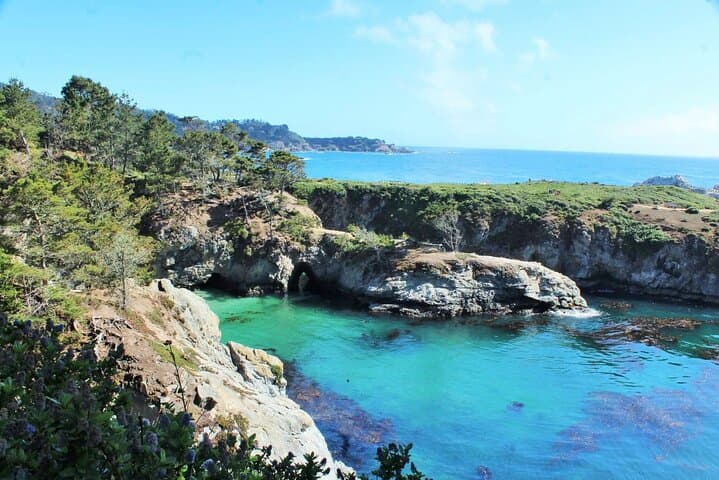
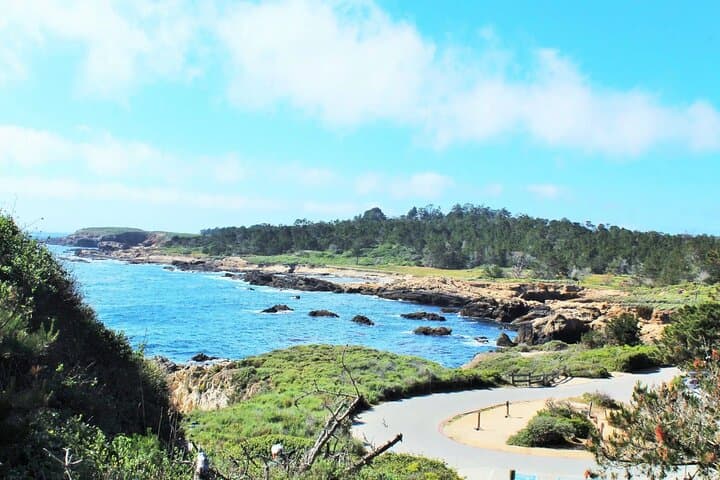
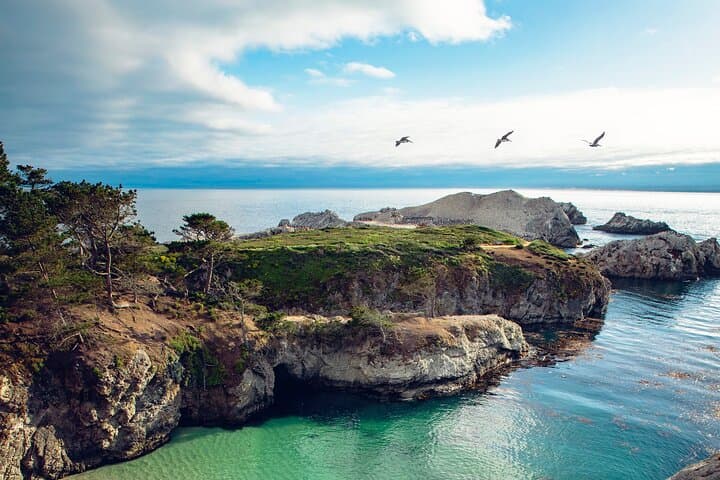
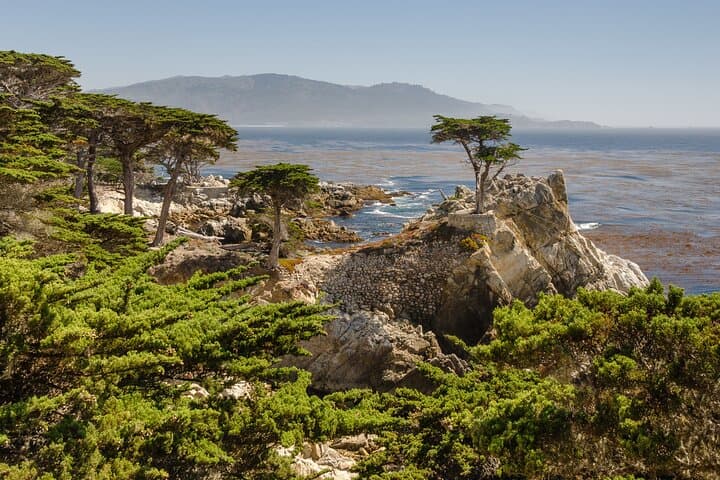
Stand at Whaler’s Cove and the wind rearranges your plans — kelp beds ripple like dark fields while foam chisels the cliffs below. On this private Point Lobos walking tour you trade city noise for the steady punctuation of surf and the sharp scent of cypress resin.
Stand at Whaler’s Cove and the wind rearranges your plans — kelp beds ripple like dark fields while foam chisels the cliffs below. On this private Point Lobos walking tour you trade city noise for the steady punctuation of surf and the sharp scent of cypress resin.
Geology here is visible history: granite headlands scored by waves and old marine terraces reveal the forces that shaped Monterey Bay. Spanish sailors called the area Punta de los Lobos Marinos for the sea lions that haul out on offshore rocks; Ohlone people lived in the region for millennia and left place names and seasonal resource knowledge still echoed in local conservation practices.
The reserve pairs abrupt cliffs with sheltered coves — Whaler’s, Bluefish and China Cove — and a living classroom beneath the surface where kelp forests shelter otters and the underwater reserve protects fragile communities. Cultural threads run through the day: early Carmel fishing history, the preservation movement of the 1930s that saved these acres, and a modern stewardship ethic that limits off-trail travel.
Practical notes: the self-guided app included in the tour lets you pause and linger at viewpoints; plan 3–5 hours, wear sturdy shoes, and time parts of the walk for low tide to examine tide pools safely. Parking is limited — arrive early or be prepared to walk from the park entrance. Layers and binoculars improve every visit: cool, windy mornings give way to sunlit afternoons, and wildlife sightings reward patient observers. Stay on marked trails to protect fragile soils and marine life, and carry out everything you bring in.