THE ADVENTURE COLLECTIVE® · Independent discovery and booking for outdoor travel

Traverse the eastern rim of Poike on a private, half-day hike that reveals near-complete island panoramas, trachyte-carved moai and cliffside caves tied to Rapa Nui history. Prepare for exposed terrain, wind and meaningful archaeological sights.
Traverse the eastern rim of Poike on a private, half-day hike that reveals near-complete island panoramas, trachyte-carved moai and cliffside caves tied to Rapa Nui history. Prepare for exposed terrain, wind and meaningful archaeological sights.
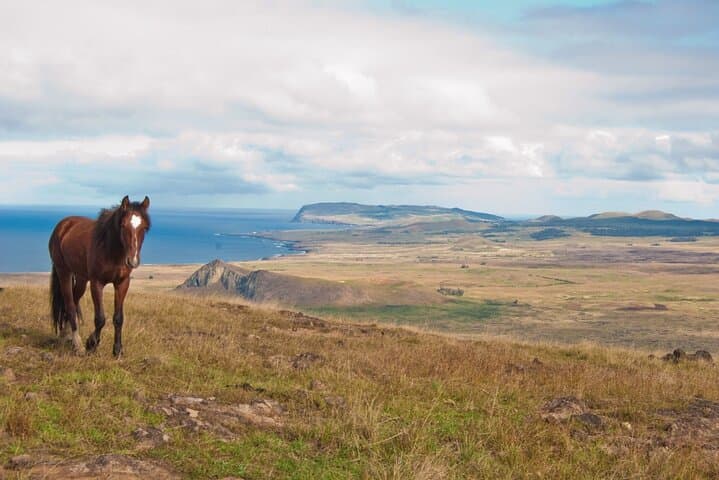
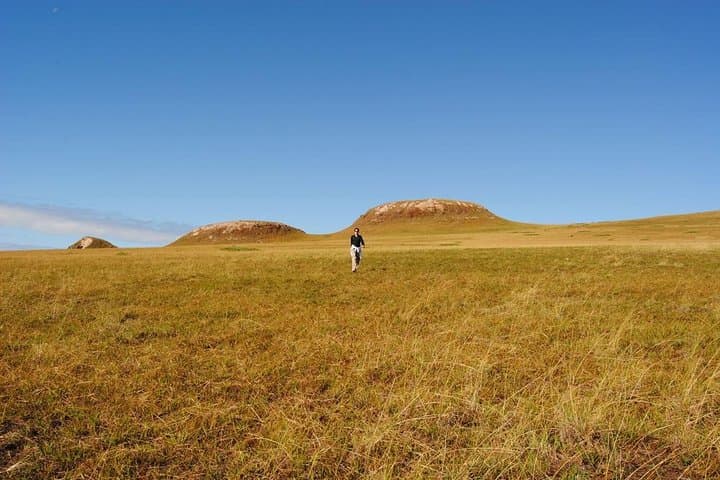
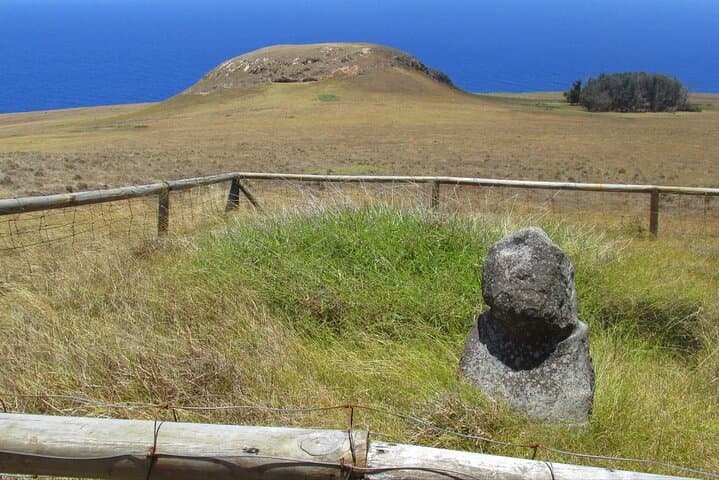
Wind scours the eastern rim of Poike and the ocean keeps time against the cliffs. On this private hike you move out of the island’s small groves and into open, low vegetation where the Pacific feels like a force pulling the horizon taut. The trail works around jagged trachyte outcrops, and every ridge returns a different staging of moai, cliffs and sea.
Verified experiences and guided adventures in the surrounding area.
Operated by Easter Island Travel · Hanga Roa, Valparaíso Region
Wind scours the eastern rim of Poike and the ocean keeps time against the cliffs. On this private hike you move out of the island’s small groves and into open, low vegetation where the Pacific feels like a force pulling the horizon taut. The trail works around jagged trachyte outcrops, and every ridge returns a different staging of moai, cliffs and sea.
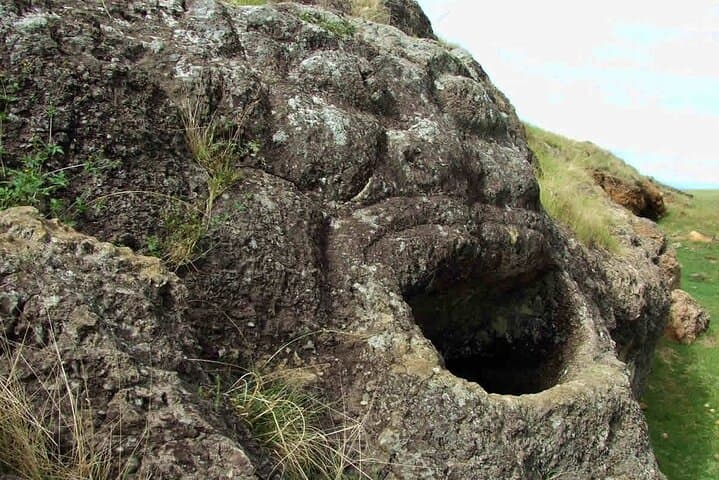
Geologically Poike is Rapa Nui’s oldest extinct volcano; its hard trachyte contrasts with the softer lavas elsewhere on the island and explains the few gray moai carved from this rock. Cultural echoes remain in features like Vai a Heva, a carved rock face that collects rain, and Ana o Keke (Virgin Cave), a dramatic cliff-side hollow referenced in oral history.
Expect an exposed, uneven route with short steep sections and loose rock underfoot — elevation gain is moderate (roughly 200–300 m) and the outing commonly takes 4–6 hours including transport. A private tour supplies an air-conditioned transfer to the trailhead but requires a moderate level of fitness; travelers with spinal, cardiac, or pregnancy restrictions should not attempt it.
Timing and gear matter: morning light reduces wind and flattens shadows for photos; carry 2+ liters of water, windproof layers and sun protection. Stay on established paths to protect archaeological features and fragile vegetation. The summit rewards patience with one of the clearest, most complete island panoramas — the coastline, the other volcanoes and scattered ahu laid out like a map of human persistence.
Practical—bring sturdy boots, snacks, a charged camera and respect for a landscape that still holds stories as sharp as the stone.
moderate.
4–6 hours.
Suitable for travelers with a moderate fitness level comfortable with uphill walking and uneven terrain; not for those with serious back or heart conditions.
The full activity runs about 4–6 hours including transport; hiking sections involve moderate elevation gain (roughly 200–300 m) with short steep or loose-rock pitches.
Yes—private tours normally include air-conditioned vehicle transfers to and from the trailhead.
Facilities are limited or nonexistent on the trail; use restrooms in Hanga Roa before departure and plan accordingly.
No—moai and cave features are protected; remain on designated paths and follow your guide’s instructions to avoid damaging cultural sites.
Poike is the oldest of Rapa Nui’s volcanoes; its hard trachyte was used for a few distinct moai and caves like Ana o Keke feature in local oral history.
Poike’s fragile soils and archaeological sites are vulnerable to erosion and trampling—stay on paths, avoid moving rocks and support local conservation guidelines.
Easter Island Travel operates guided outdoor trips and adventures with an emphasis on safety, stewardship, and memorable experiences.
Wind scours the eastern rim of Poike and the ocean keeps time against the cliffs. On this private hike you move out of the island’s small groves and into open, low vegetation where the Pacific feels like a force pulling the horizon taut. The trail works around jagged trachyte outcrops, and every ridge returns a different staging of moai, cliffs and sea.
Wind scours the eastern rim of Poike and the ocean keeps time against the cliffs. On this private hike you move out of the island’s small groves and into open, low vegetation where the Pacific feels like a force pulling the horizon taut. The trail works around jagged trachyte outcrops, and every ridge returns a different staging of moai, cliffs and sea.
Geologically Poike is Rapa Nui’s oldest extinct volcano; its hard trachyte contrasts with the softer lavas elsewhere on the island and explains the few gray moai carved from this rock. Cultural echoes remain in features like Vai a Heva, a carved rock face that collects rain, and Ana o Keke (Virgin Cave), a dramatic cliff-side hollow referenced in oral history.
Expect an exposed, uneven route with short steep sections and loose rock underfoot — elevation gain is moderate (roughly 200–300 m) and the outing commonly takes 4–6 hours including transport. A private tour supplies an air-conditioned transfer to the trailhead but requires a moderate level of fitness; travelers with spinal, cardiac, or pregnancy restrictions should not attempt it.
Timing and gear matter: morning light reduces wind and flattens shadows for photos; carry 2+ liters of water, windproof layers and sun protection. Stay on established paths to protect archaeological features and fragile vegetation. The summit rewards patience with one of the clearest, most complete island panoramas — the coastline, the other volcanoes and scattered ahu laid out like a map of human persistence.
Practical—bring sturdy boots, snacks, a charged camera and respect for a landscape that still holds stories as sharp as the stone.