THE ADVENTURE COLLECTIVE® · Independent discovery and booking for outdoor travel

A full-day guided hike across Poike Peninsula takes you to rarely visited moai, petroglyphs and wind-sculpted cliffs. Expect 7–8 hours on rough, exposed terrain with superb coastal views and fragile archaeology.
A full-day guided hike across Poike Peninsula takes you to rarely visited moai, petroglyphs and wind-sculpted cliffs. Expect 7–8 hours on rough, exposed terrain with superb coastal views and fragile archaeology.
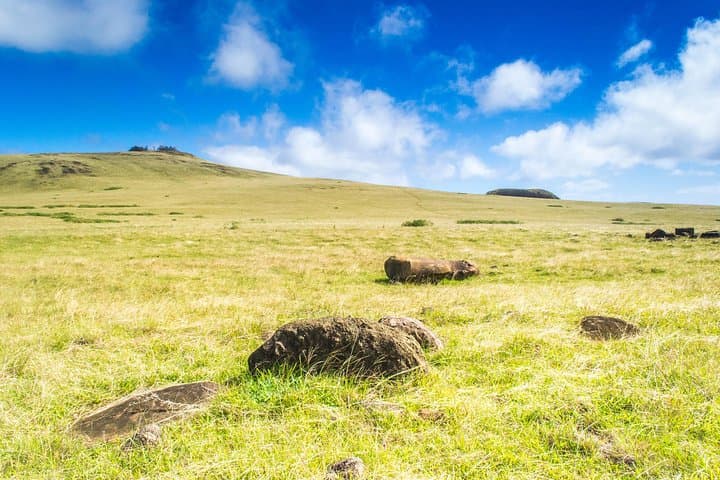
You step off the beaten track and the island exhales: wind pushing across basalt flats, scrub rattling like distant percussion. The Poike Peninsula opens with low trachyte domes and eroded soils, a place where the ocean keeps time and few footsteps interrupt the record.
Verified experiences and guided adventures in the surrounding area.
Operated by Rapanui Pioneers Society (RPS) · Hanga Roa, Valparaíso Region
You step off the beaten track and the island exhales: wind pushing across basalt flats, scrub rattling like distant percussion. The Poike Peninsula opens with low trachyte domes and eroded soils, a place where the ocean keeps time and few footsteps interrupt the record.
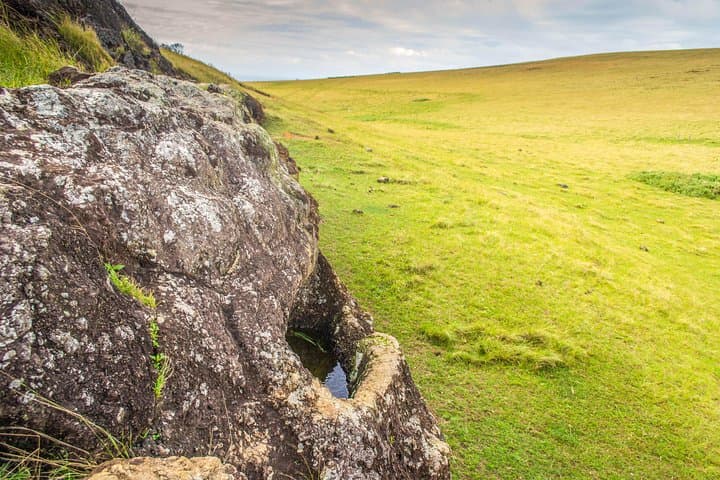
Geology here is blunt and old — Poike is the island’s eastern volcanic foundation, rock exposed to relentless wind and salt. Archaeology is sparse but singular: small, unusual moai, petroglyph panels, and abandoned ceremonial platforms that suggest a different chapter of Rapa Nui life than the main quarry and ahu zones near Hanga Roa. Local guides read the land like a language; caves and shelters speak to centuries of intermittent use and maritime resource gathering.
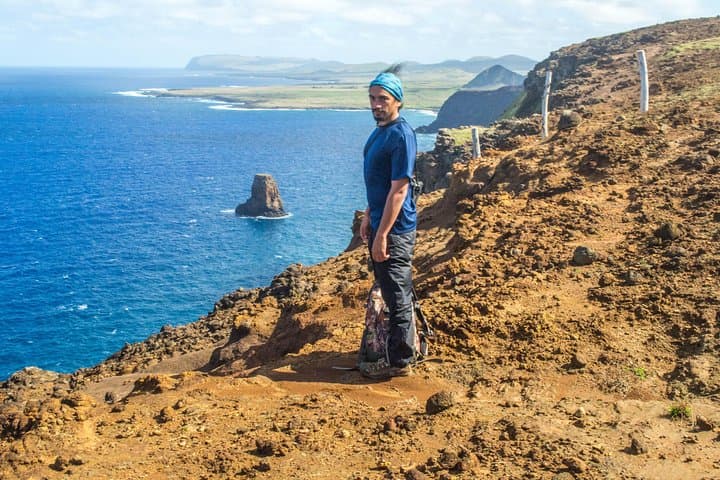
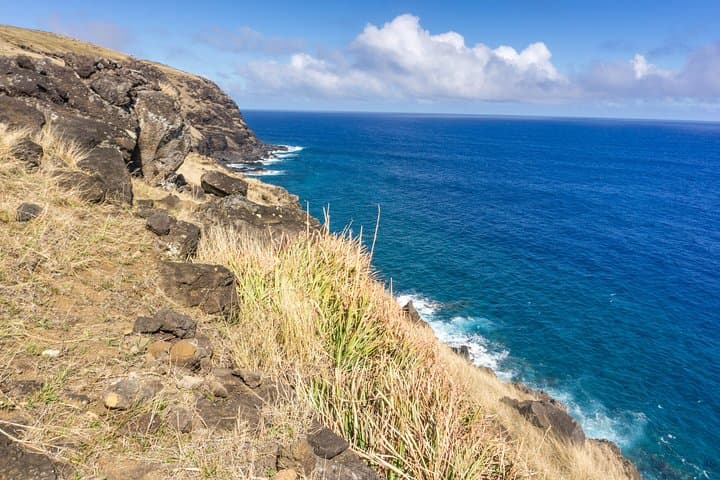
On the trail you’ll pass Maunga Parehe, Ahu Kiri Reva and coastal overlooks where waves dare the cliffs. The landscape feels private: caves, isolated monuments and petroglyphs that reward close attention rather than spectacle.
Practical guidance: this is a full-day, guided hike of about 7–8 hours over uneven, unpaved terrain with some exposed sections and loose scree. Expect strong sun, steady wind, and limited shade. Bring 2–3 liters of water, sturdy hiking boots, sun protection and layered windproof clothing. Respect archaeological features — don’t climb statues or enter restricted caves. Because there are no roads on Poike and access is limited, book a guided, private tour and confirm pickup details in Hanga Roa. Limited availability and fragile soils mean groups are small; follow your guide’s route and leave no trace to help keep this rare corner of Rapa Nui wild.
challenging.
7–8 hours.
Good endurance and steady balance for long walking days over uneven, exposed terrain; moderate cardiovascular fitness recommended.
The tour runs about 7–8 hours and covers uneven, unpaved terrain; it’s classified as challenging and requires good fitness and steady footing.
Yes — roads and access are limited and the site is best visited with a knowledgeable local guide who navigates routes and interprets archaeological features.
There are no facilities on the peninsula; the tour includes a picnic lunch but bring your own toilet paper and hand sanitizer for comfort.
Not recommended for pregnant travelers or those with significant back or cardiovascular issues; assess children’s endurance with the operator before booking.
Poike is the island’s oldest volcanic landform and contains distinct archaeological sites and small moai styles, reflecting different settlement and ceremonial patterns than the western zones.
Soils and archaeological features on Poike are highly fragile; guided groups and strict visitor protocols help limit erosion and preserve petroglyphs and monuments.
Rapanui Pioneers Society (RPS) operates guided outdoor trips and adventures with an emphasis on safety, stewardship, and memorable experiences.
You step off the beaten track and the island exhales: wind pushing across basalt flats, scrub rattling like distant percussion. The Poike Peninsula opens with low trachyte domes and eroded soils, a place where the ocean keeps time and few footsteps interrupt the record.
You step off the beaten track and the island exhales: wind pushing across basalt flats, scrub rattling like distant percussion. The Poike Peninsula opens with low trachyte domes and eroded soils, a place where the ocean keeps time and few footsteps interrupt the record.
Geology here is blunt and old — Poike is the island’s eastern volcanic foundation, rock exposed to relentless wind and salt. Archaeology is sparse but singular: small, unusual moai, petroglyph panels, and abandoned ceremonial platforms that suggest a different chapter of Rapa Nui life than the main quarry and ahu zones near Hanga Roa. Local guides read the land like a language; caves and shelters speak to centuries of intermittent use and maritime resource gathering.
On the trail you’ll pass Maunga Parehe, Ahu Kiri Reva and coastal overlooks where waves dare the cliffs. The landscape feels private: caves, isolated monuments and petroglyphs that reward close attention rather than spectacle.
Practical guidance: this is a full-day, guided hike of about 7–8 hours over uneven, unpaved terrain with some exposed sections and loose scree. Expect strong sun, steady wind, and limited shade. Bring 2–3 liters of water, sturdy hiking boots, sun protection and layered windproof clothing. Respect archaeological features — don’t climb statues or enter restricted caves. Because there are no roads on Poike and access is limited, book a guided, private tour and confirm pickup details in Hanga Roa. Limited availability and fragile soils mean groups are small; follow your guide’s route and leave no trace to help keep this rare corner of Rapa Nui wild.