THE ADVENTURE COLLECTIVE® · Independent discovery and booking for outdoor travel

A high-altitude day trip from San José that pairs the raw power of Poás Volcano with focused birdwatching led by a local biologist. Expect short crater walks, cloud-forest birdlife, and a scenic stop at La Paz waterfall.
A high-altitude day trip from San José that pairs the raw power of Poás Volcano with focused birdwatching led by a local biologist. Expect short crater walks, cloud-forest birdlife, and a scenic stop at La Paz waterfall.
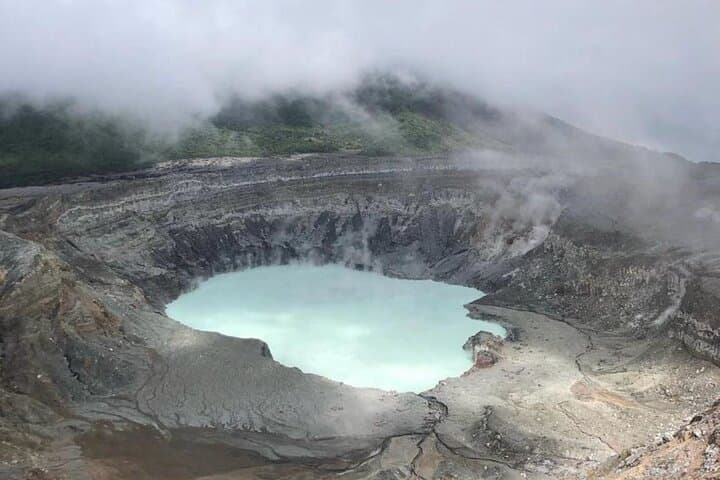
You step out of the van and the air changes—an immediate coolness that strips humidity from the city and carries a faint sulfur tang that seems to warn and welcome at once. At 2,708 meters the Poás crater cuts into the sky like an open wound; steam coils and low clouds move through the bowl, and a ring of dwarfed shrubs and moss-smothered trees lean against the wind. The guide, a local biologist, points to a flash of emerald: a hummingbird hovers like a jeweled punctuation in the gray morning.
Verified experiences and guided adventures in the surrounding area.
Operated by Oropopo Experience · Alajuela, Alajuela
You step out of the van and the air changes—an immediate coolness that strips humidity from the city and carries a faint sulfur tang that seems to warn and welcome at once. At 2,708 meters the Poás crater cuts into the sky like an open wound; steam coils and low clouds move through the bowl, and a ring of dwarfed shrubs and moss-smothered trees lean against the wind. The guide, a local biologist, points to a flash of emerald: a hummingbird hovers like a jeweled punctuation in the gray morning.
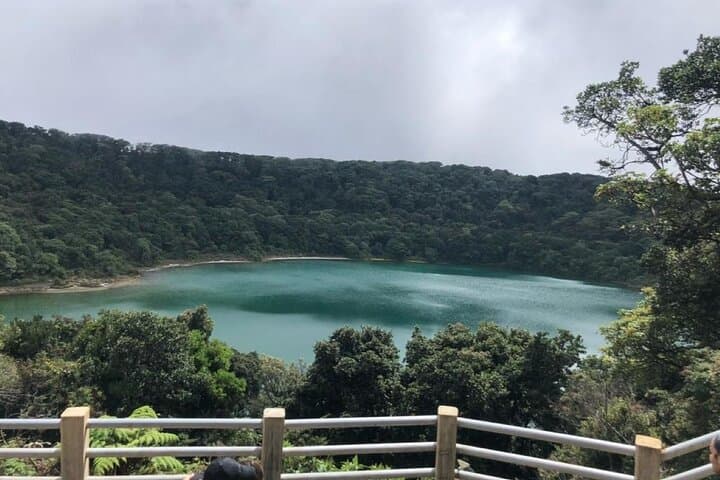
Poás is both recent and ancient in geological terms. It sits on the Central Volcanic Cordillera and has one of the world’s largest active craters—an open, shifting landscape shaped by phreatic eruptions and acidic crater lakes. Human history here is brief compared with rock time, but the slopes have long been part of indigenous pathways and 19th-century scientific curiosity; today, the park protects fragile cloud-forest ecosystems and a ring of trails that let visitors peer into volcanic processes and high-elevation biodiversity.
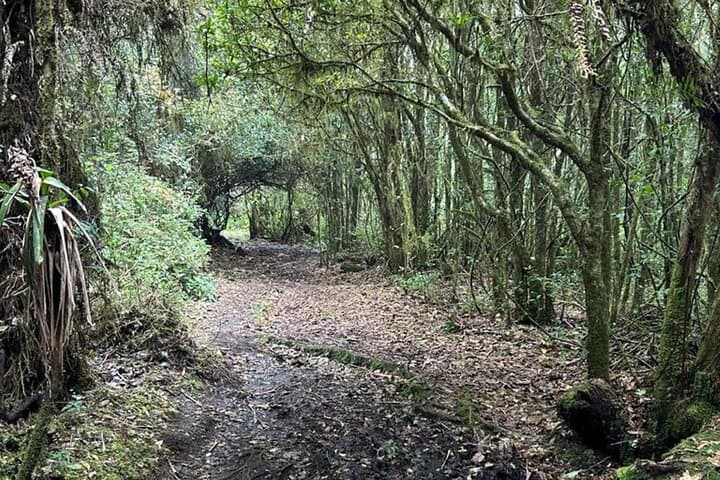
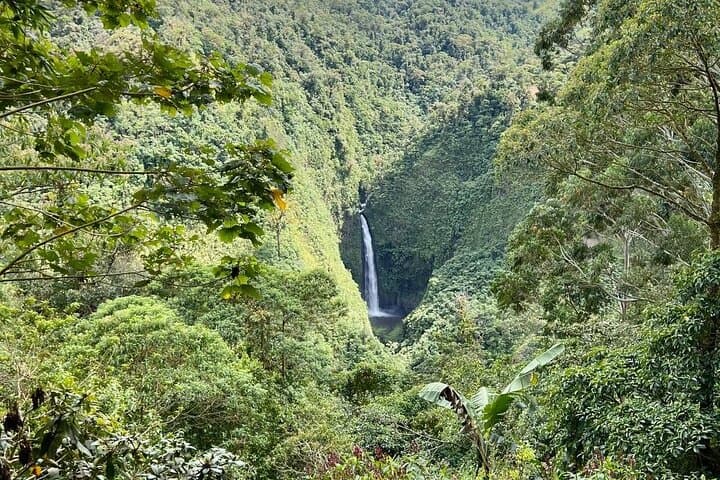
The flora is uncompromising: stunted oaks, páramo-like shrubs, and carpets of moss and fungi that find purchase on volcanic ash. Birdlife is the day’s running theme—hummingbirds, woodpeckers, and occasional trogons flit along the forest edge; biologists bring binoculars and a practiced ear to turn distant calls into identified species. At La Paz, the road descends and the landscape shifts to warmer rainforest and a waterfall that pushes sound into silence—an abrupt change that underscores Costa Rica’s compressed environmental variety.
Practical side: the tour is a full-day outing from San José (roughly 1.5–2 hours each way in private 4x4 transport), with about two hours spent at Poás and time for a waterfall viewpoint and a bird-rich lunch. Trails around the main crater are short—hundreds of meters on boardwalks and compact paths—so the challenge is altitude and weather, not distance. Bring layers for wind and cold, and expect intermittent closures of crater viewpoints during volcanic activity or heavy cloud.
For photographers, aim for early morning clarity or late afternoon light when clouds thin; shutter speeds for birds require fast lenses or steady hands. Leave drones at home and follow park rules—staying on trails protects sensitive soils and the plants that anchor them. With a knowledgeable biologist as guide, this trip is part geology primer, part birding day, and entirely a reminder that mountains can be active neighbors demanding respect—and attention.
moderate.
10 hours.
Moderately fit—short walks, standing at viewpoints, but high altitude can strain those unaccustomed to elevation.
Expect roughly 1.5–2 hours each way by private transport depending on traffic and pickup location.
No—viewpoints close occasionally due to volcanic gases or cloud cover; guides adapt the itinerary accordingly.
Yes—infant seats are available, but consider altitude effects on very young children and consult the operator.
Yes—guided birdwatching focuses on hummingbirds and high-elevation species, though sightings depend on weather and season.
A Costa Rican lunch at a local spot is included in the itinerary following the waterfall and birding stops.
Travel insurance is recommended for disruptions; the operator maintains a standard 24-hour cancellation refund policy.
Poás has long been studied for its frequent phreatic eruptions; park infrastructure developed in the 20th century to balance access and protection.
The park restricts off-trail movement and drone use to protect fragile soils and endemic plants—stay on marked paths and follow guide instructions.
Oropopo Experience operates guided outdoor trips and adventures with an emphasis on safety, stewardship, and memorable experiences.
You step out of the van and the air changes—an immediate coolness that strips humidity from the city and carries a faint sulfur tang that seems to warn and welcome at once. At 2,708 meters the Poás crater cuts into the sky like an open wound; steam coils and low clouds move through the bowl, and a ring of dwarfed shrubs and moss-smothered trees lean against the wind. The guide, a local biologist, points to a flash of emerald: a hummingbird hovers like a jeweled punctuation in the gray morning.
You step out of the van and the air changes—an immediate coolness that strips humidity from the city and carries a faint sulfur tang that seems to warn and welcome at once. At 2,708 meters the Poás crater cuts into the sky like an open wound; steam coils and low clouds move through the bowl, and a ring of dwarfed shrubs and moss-smothered trees lean against the wind. The guide, a local biologist, points to a flash of emerald: a hummingbird hovers like a jeweled punctuation in the gray morning.
Poás is both recent and ancient in geological terms. It sits on the Central Volcanic Cordillera and has one of the world’s largest active craters—an open, shifting landscape shaped by phreatic eruptions and acidic crater lakes. Human history here is brief compared with rock time, but the slopes have long been part of indigenous pathways and 19th-century scientific curiosity; today, the park protects fragile cloud-forest ecosystems and a ring of trails that let visitors peer into volcanic processes and high-elevation biodiversity.
The flora is uncompromising: stunted oaks, páramo-like shrubs, and carpets of moss and fungi that find purchase on volcanic ash. Birdlife is the day’s running theme—hummingbirds, woodpeckers, and occasional trogons flit along the forest edge; biologists bring binoculars and a practiced ear to turn distant calls into identified species. At La Paz, the road descends and the landscape shifts to warmer rainforest and a waterfall that pushes sound into silence—an abrupt change that underscores Costa Rica’s compressed environmental variety.
Practical side: the tour is a full-day outing from San José (roughly 1.5–2 hours each way in private 4x4 transport), with about two hours spent at Poás and time for a waterfall viewpoint and a bird-rich lunch. Trails around the main crater are short—hundreds of meters on boardwalks and compact paths—so the challenge is altitude and weather, not distance. Bring layers for wind and cold, and expect intermittent closures of crater viewpoints during volcanic activity or heavy cloud.
For photographers, aim for early morning clarity or late afternoon light when clouds thin; shutter speeds for birds require fast lenses or steady hands. Leave drones at home and follow park rules—staying on trails protects sensitive soils and the plants that anchor them. With a knowledgeable biologist as guide, this trip is part geology primer, part birding day, and entirely a reminder that mountains can be active neighbors demanding respect—and attention.