THE ADVENTURE COLLECTIVE® · Independent discovery and booking for outdoor travel

Drive through coffee estates and dairy farms to reach Poás Volcano’s steam-swept rim on a private half-day trip from San José. This accessible tour pairs dramatic crater views with a stop at a local coffee plantation.
Drive through coffee estates and dairy farms to reach Poás Volcano’s steam-swept rim on a private half-day trip from San José. This accessible tour pairs dramatic crater views with a stop at a local coffee plantation.
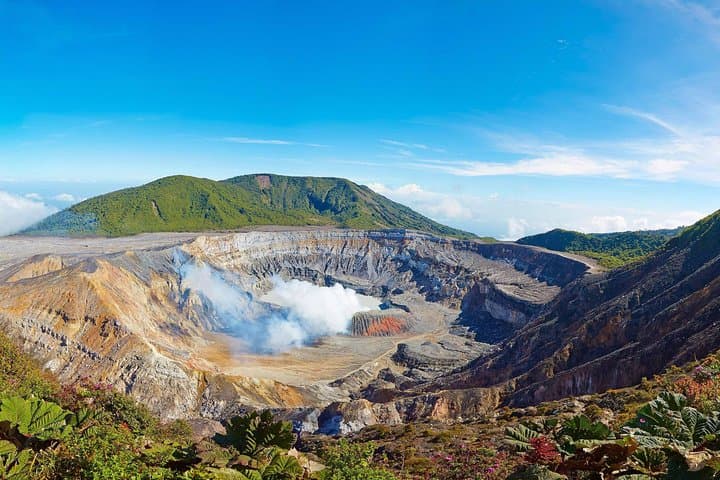
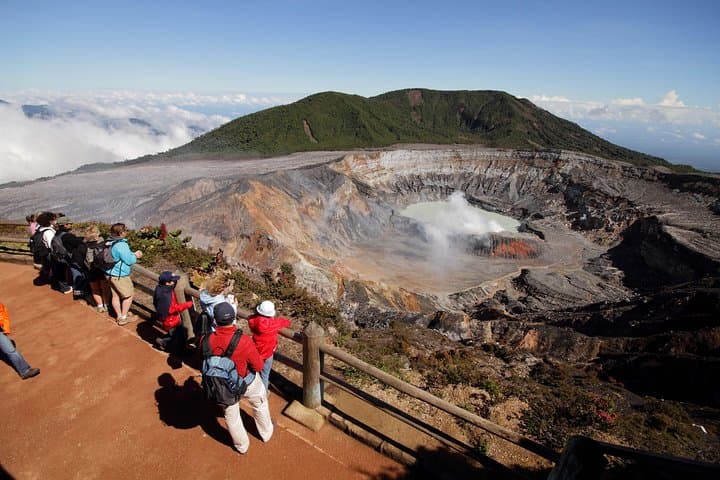
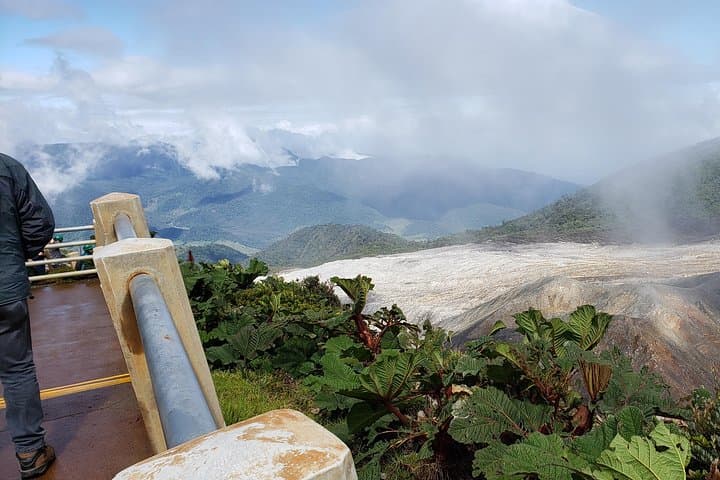
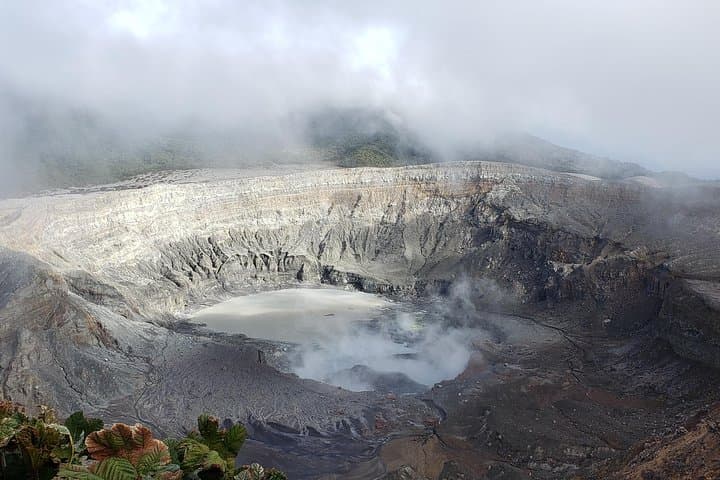
The morning air on the Central Mountain Range bites with a cool drizzle as the road climbs through dairy pastures and coffee farms. Windows fog; the valley peels away and the forest rises like a page turning. At the park entrance a short, well-maintained trail leads you to a raw, smoking rim — the crater’s breath visible in white steam and mineral-streaked rock.
Verified experiences and guided adventures in the surrounding area.
Operated by Greenway Nature Day Tours · Alajuela, Alajuela
The morning air on the Central Mountain Range bites with a cool drizzle as the road climbs through dairy pastures and coffee farms. Windows fog; the valley peels away and the forest rises like a page turning. At the park entrance a short, well-maintained trail leads you to a raw, smoking rim — the crater’s breath visible in white steam and mineral-streaked rock.
Poás is an active stratovolcano rising to about 2,708 m, with one of the largest acid crater lakes in the world and a complex history of eruptions documented since the 19th century. Geologically it's a study in contrasts: sulfur-stained fumaroles, acidic lakes, and cloud forest that supports epiphytes and moss-draped trees. Culturally, the route from San José cuts through small villages where coffee and dairy economies still shape daily life; many operators include a stop at a working coffee plantation so you can taste local processing techniques.
Practically, the half-day private format gives time for a paced visit to viewpoints and a short guided walk to the crater rim, then return stops at a coffee farm or roadside dairy. Expect cool, changeable weather, high elevation (lightheadedness is possible), and park rules that can close viewpoints on high-emission days. Bring a rain shell, layered clothing, closed shoes, and a camera with a hood — winds and steam can be sudden.
The tour works well for travelers who want a concentrated introduction to Costa Rica’s volcanic landscapes without a strenuous hike; it’s an approachable, photogenic slice of the country’s highlands with tangible geology and local flavor.
easy.
5 hours.
Suitable for most fitness levels; involves short paved walks and a few stairs; minimal exertion required
Expect about a 60–90 minute drive depending on traffic; roads are paved but can be winding as they climb to the park.
No — park authorities close viewpoints when gas emissions rise or visibility is poor; rangers post updates at the entrance.
Main viewpoints and some paths are wheelchair accessible and children can join, but check closures and dress appropriately for cool weather.
The elevation (~2,700 m) can affect some visitors; move slowly, hydrate, and inform your guide if you have respiratory or heart conditions.
Poás has recorded eruptions since the 1800s and major activity has periodically closed the park; its geological activity shaped local settlement and agriculture patterns.
The park balances visitor access with strict safety rules; stay on designated trails and avoid introducing non-native plants or litter to protect the cloud forest ecosystem.
Greenway Nature Day Tours operates guided outdoor trips and adventures with an emphasis on safety, stewardship, and memorable experiences.
The morning air on the Central Mountain Range bites with a cool drizzle as the road climbs through dairy pastures and coffee farms. Windows fog; the valley peels away and the forest rises like a page turning. At the park entrance a short, well-maintained trail leads you to a raw, smoking rim — the crater’s breath visible in white steam and mineral-streaked rock.
The morning air on the Central Mountain Range bites with a cool drizzle as the road climbs through dairy pastures and coffee farms. Windows fog; the valley peels away and the forest rises like a page turning. At the park entrance a short, well-maintained trail leads you to a raw, smoking rim — the crater’s breath visible in white steam and mineral-streaked rock.
Poás is an active stratovolcano rising to about 2,708 m, with one of the largest acid crater lakes in the world and a complex history of eruptions documented since the 19th century. Geologically it's a study in contrasts: sulfur-stained fumaroles, acidic lakes, and cloud forest that supports epiphytes and moss-draped trees. Culturally, the route from San José cuts through small villages where coffee and dairy economies still shape daily life; many operators include a stop at a working coffee plantation so you can taste local processing techniques.
Practically, the half-day private format gives time for a paced visit to viewpoints and a short guided walk to the crater rim, then return stops at a coffee farm or roadside dairy. Expect cool, changeable weather, high elevation (lightheadedness is possible), and park rules that can close viewpoints on high-emission days. Bring a rain shell, layered clothing, closed shoes, and a camera with a hood — winds and steam can be sudden.
The tour works well for travelers who want a concentrated introduction to Costa Rica’s volcanic landscapes without a strenuous hike; it’s an approachable, photogenic slice of the country’s highlands with tangible geology and local flavor.