THE ADVENTURE COLLECTIVE® · Independent discovery and booking for outdoor travel

Spend a full day from San José exploring a working coffee plantation, the crater and lagoon of Poás Volcano, and the cascades at La Paz Waterfall Gardens. This guided tour blends geology, culture and rainforest walks with convenient transport and meals included.
Spend a full day from San José exploring a working coffee plantation, the crater and lagoon of Poás Volcano, and the cascades at La Paz Waterfall Gardens. This guided tour blends geology, culture and rainforest walks with convenient transport and meals included.
A mist-cloaked road climbs out of the Central Valley as the morning light peels across coffee fields. Travelers leave city air behind and enter a world where coffee trees smell of earth and heat, where the sky can change from sun to cloud in minutes — and where a volcanic crater and a cascade of waterfalls demand presence rather than praise.
Verified experiences and guided adventures in the surrounding area.
Operated by Guat2do Travel Experiences · Alajuela, Alajuela
A mist-cloaked road climbs out of the Central Valley as the morning light peels across coffee fields. Travelers leave city air behind and enter a world where coffee trees smell of earth and heat, where the sky can change from sun to cloud in minutes — and where a volcanic crater and a cascade of waterfalls demand presence rather than praise.
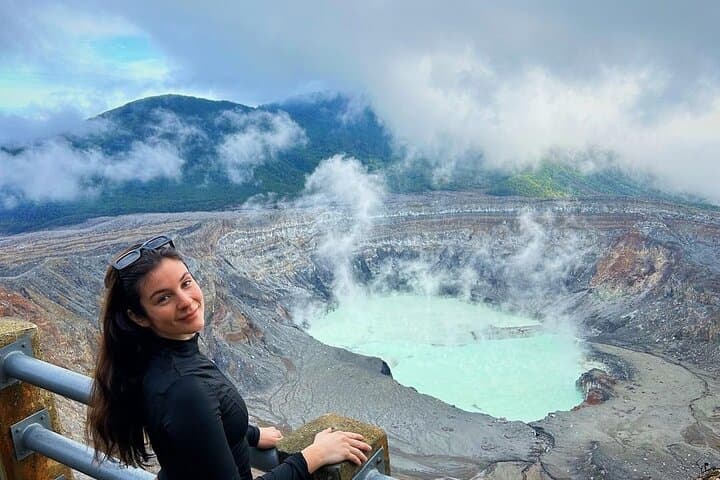
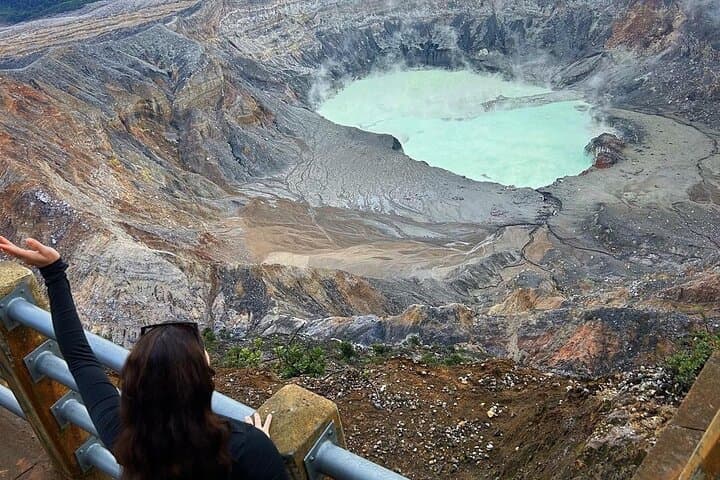
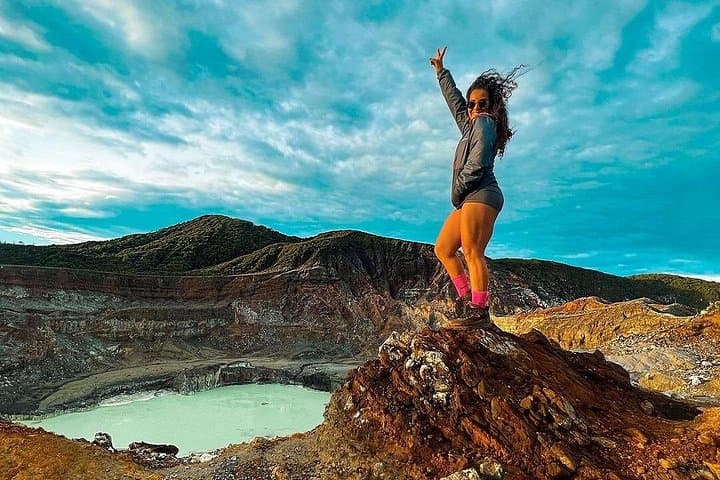
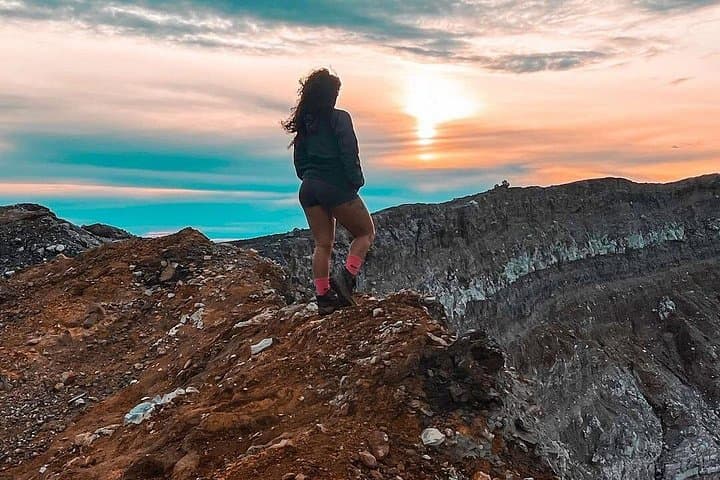
The day begins at a working coffee plantation, where the harvest cycle and traditional wood-fired breakfasts explain Costa Rica’s agrarian rhythms. From there the route gains elevation toward Poás Volcano National Park (2,708 m), a high-altitude montane forest shaped by repeated eruptions; fumaroles and the wide, steaming crater speak to a volatile geological history. Botos Lagoon’s still surface offers a quiet foil to sulfur-scented vents.
Lower down, La Paz Waterfall Gardens showcases the region’s rainforested waterways — stepped cascades, carved basalt, and trails that channel the river’s energy. Local culture threads through the stops: smallholder coffee practices, conservation-minded eco-parks, and decades of volcanic monitoring by Costa Rican scientists.
Practical guidance: expect wet microclimates and rapid temperature swings — layers are essential. Trails at Poás are short but exposed; La Paz involves stairs and uneven boardwalks. Bring water, insect repellent, and a charged camera. Tours typically run as full-day outings with hotel pickup in San José, moderate walking, and included entrance fees and meals. Pace your day for variable weather and take time at viewpoints — the landscape here pushes you to move slowly and listen.
moderate.
8–12 hours.
Reasonable aerobic fitness for short uphill walks, stairs, and extended standing; not technical but expect sustained activity across the day
This is a full-day tour (approximately 8–12 hours) with hotel pickup and drop-off in San José; exact pickup windows are provided after booking.
Yes — entrance fees to the coffee tour, Poás Volcano and La Paz Waterfall Gardens, plus breakfast and a buffet lunch, are included in the tour price.
No — Poás is subject to cloud cover and volcanic activity; visibility varies and viewing from the main crater can be restricted for safety or weather reasons.
Children are welcome but trails include stairs and uneven surfaces; travelers with limited mobility should check specifics about trail accessibility and request assistance during booking.
The Poás area bears evidence of both pre-Columbian use and modern agricultural settlement; volcanic soils helped establish coffee as a regional export crop since the 19th century.
Both Poás National Park and La Paz operate with active conservation programs; visitors should stay on trails and avoid feeding wildlife to minimize disturbance.
Guat2do Travel Experiences operates guided outdoor trips and adventures with an emphasis on safety, stewardship, and memorable experiences.
A mist-cloaked road climbs out of the Central Valley as the morning light peels across coffee fields. Travelers leave city air behind and enter a world where coffee trees smell of earth and heat, where the sky can change from sun to cloud in minutes — and where a volcanic crater and a cascade of waterfalls demand presence rather than praise.
A mist-cloaked road climbs out of the Central Valley as the morning light peels across coffee fields. Travelers leave city air behind and enter a world where coffee trees smell of earth and heat, where the sky can change from sun to cloud in minutes — and where a volcanic crater and a cascade of waterfalls demand presence rather than praise.
The day begins at a working coffee plantation, where the harvest cycle and traditional wood-fired breakfasts explain Costa Rica’s agrarian rhythms. From there the route gains elevation toward Poás Volcano National Park (2,708 m), a high-altitude montane forest shaped by repeated eruptions; fumaroles and the wide, steaming crater speak to a volatile geological history. Botos Lagoon’s still surface offers a quiet foil to sulfur-scented vents.
Lower down, La Paz Waterfall Gardens showcases the region’s rainforested waterways — stepped cascades, carved basalt, and trails that channel the river’s energy. Local culture threads through the stops: smallholder coffee practices, conservation-minded eco-parks, and decades of volcanic monitoring by Costa Rican scientists.
Practical guidance: expect wet microclimates and rapid temperature swings — layers are essential. Trails at Poás are short but exposed; La Paz involves stairs and uneven boardwalks. Bring water, insect repellent, and a charged camera. Tours typically run as full-day outings with hotel pickup in San José, moderate walking, and included entrance fees and meals. Pace your day for variable weather and take time at viewpoints — the landscape here pushes you to move slowly and listen.