THE ADVENTURE COLLECTIVE® · Independent discovery and booking for outdoor travel

A full-day loop from San José that pairs a coffee estate tour with the high-altitude drama of Poás Volcano and the stair-stepped falls of La Paz. Expect cool crater air, forest trails, and a buffet lunch amid butterfly and bird exhibits.
A full-day loop from San José that pairs a coffee estate tour with the high-altitude drama of Poás Volcano and the stair-stepped falls of La Paz. Expect cool crater air, forest trails, and a buffet lunch amid butterfly and bird exhibits.
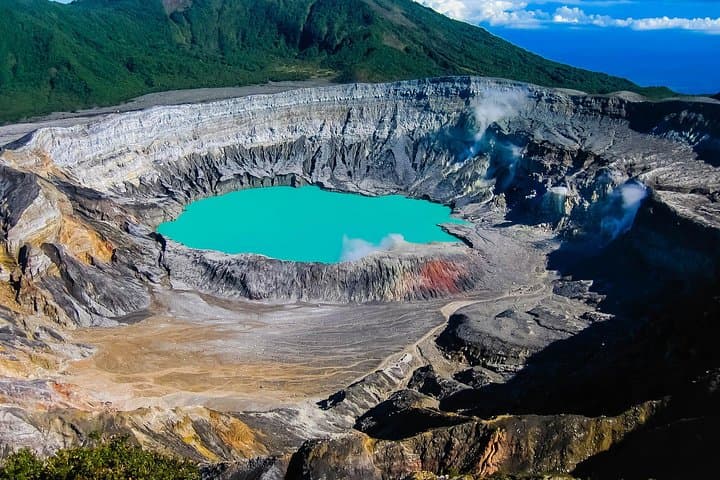
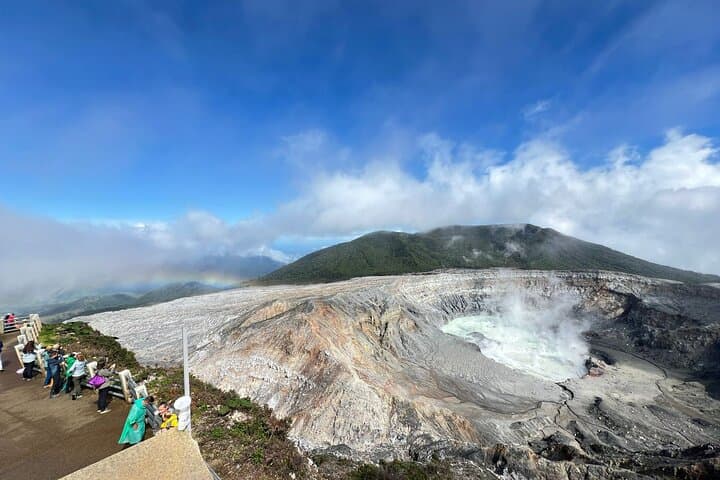
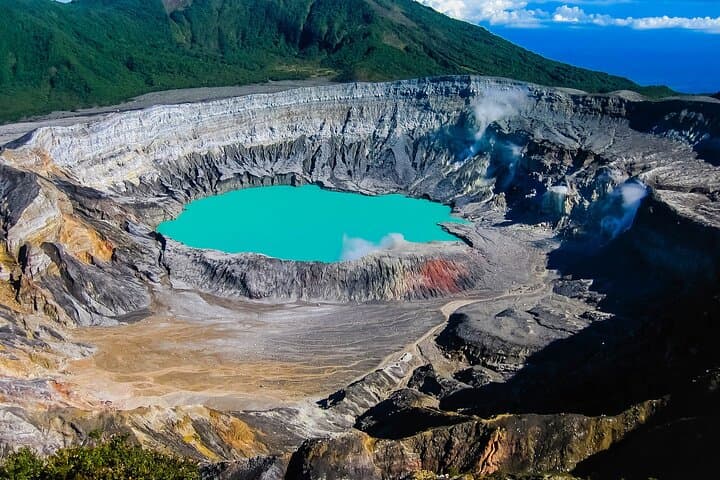
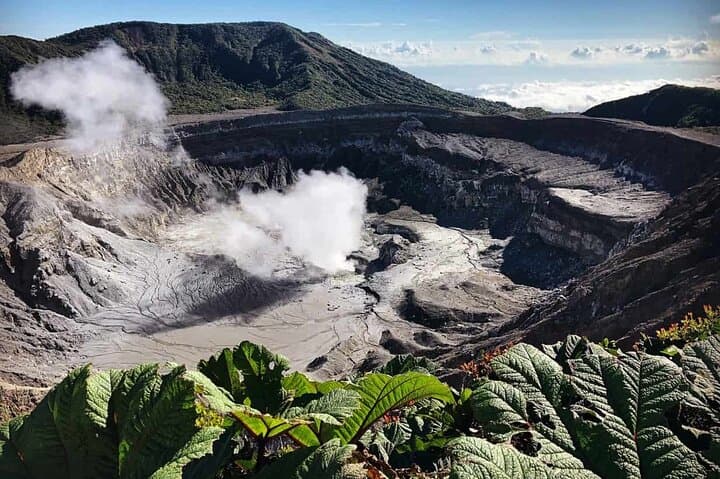
The morning light in the Central Valley cuts through low cloud as your van climbs from San José toward higher, cooler air. Within an hour the roadside green shifts to the silver-leafed korobó and moss-draped oaks of the Poás cloud forest; steam and a sulfur tang hover over the rim of Poás’s vast crater while the Botos Lagoon sits like a dark eye below.
Verified experiences and guided adventures in the surrounding area.
Operated by Destiny Travel Costa Rica · Alajuela, Alajuela
The morning light in the Central Valley cuts through low cloud as your van climbs from San José toward higher, cooler air. Within an hour the roadside green shifts to the silver-leafed korobó and moss-draped oaks of the Poás cloud forest; steam and a sulfur tang hover over the rim of Poás’s vast crater while the Botos Lagoon sits like a dark eye below.
This one-day route threads three Costa Rican pillars: a working coffee plantation where you’ll trace beans from cherry to roast; Poás Volcano National Park, an active stratovolcano at about 2,708 m with a crater more than a mile across and fumaroles that remind visitors of ongoing geology; and La Paz Waterfall Gardens, where a network of rainforest trails and stairways drops past five principal cascades and curated wildlife exhibits.
Expect a mix of short paved viewpoints and uneven rainforest trails—stairs and slick rock are common around the waterfalls. The coffee stop is low elevation and informal, with walking through shaded rows and processing areas. History and culture appear in coffee lore and in the volcano’s long eruptions, which shaped local settlement and soils that make the highlands rich for cultivation.
Practical guide: dress in layers for 5–10°C temperature swings, wear grippy shoes for steps and damp trails, and bring a rain jacket and water bottle. Allow time for stairs at La Paz if mobility is limited; Poás’s crater views can be wind-exposed, so plan brief visits for photography. With a guide and transfers included, this is an accessible, active day that pairs geology, biodiversity, and Costa Rican coffee culture.
moderate.
10–11 hours.
Moderate—able to manage multiple short walks, stairs, and brief altitude change (to ~2,700 m).
This is a full-day excursion (about 10–11 hours) with guided stops at a coffee plantation, Poás Volcano viewpoints and Botos Lagoon trail, and several hours at La Paz Waterfall Gardens; expect a steady but moderate pace with time for walking and photos.
Poás is active and the park enforces safety closures when gas or eruptive conditions are hazardous; tour operators follow park guidance and may adjust the schedule or viewpoints accordingly.
La Paz has many stairs and uneven rainforest trails; parts of the wildlife exhibits are accessible, but the main waterfall trails are not wheelchair-friendly and require stair navigation.
Lunch, entrance fees, bottled water, and transport are typically included in this tour; bring small cash for souvenirs or optional items at the coffee estate.
Coffee cultivation transformed Costa Rica’s highlands economically and socially from the 19th century onward; volcanic soils here helped establish the region’s premium high-altitude coffees.
Poás and La Paz are managed with visitor limits and trail controls to reduce erosion and protect sensitive cloud forest; visitors are encouraged to stay on trails and avoid feeding wildlife.
Destiny Travel Costa Rica operates guided outdoor trips and adventures with an emphasis on safety, stewardship, and memorable experiences.
The morning light in the Central Valley cuts through low cloud as your van climbs from San José toward higher, cooler air. Within an hour the roadside green shifts to the silver-leafed korobó and moss-draped oaks of the Poás cloud forest; steam and a sulfur tang hover over the rim of Poás’s vast crater while the Botos Lagoon sits like a dark eye below.
The morning light in the Central Valley cuts through low cloud as your van climbs from San José toward higher, cooler air. Within an hour the roadside green shifts to the silver-leafed korobó and moss-draped oaks of the Poás cloud forest; steam and a sulfur tang hover over the rim of Poás’s vast crater while the Botos Lagoon sits like a dark eye below.
This one-day route threads three Costa Rican pillars: a working coffee plantation where you’ll trace beans from cherry to roast; Poás Volcano National Park, an active stratovolcano at about 2,708 m with a crater more than a mile across and fumaroles that remind visitors of ongoing geology; and La Paz Waterfall Gardens, where a network of rainforest trails and stairways drops past five principal cascades and curated wildlife exhibits.
Expect a mix of short paved viewpoints and uneven rainforest trails—stairs and slick rock are common around the waterfalls. The coffee stop is low elevation and informal, with walking through shaded rows and processing areas. History and culture appear in coffee lore and in the volcano’s long eruptions, which shaped local settlement and soils that make the highlands rich for cultivation.
Practical guide: dress in layers for 5–10°C temperature swings, wear grippy shoes for steps and damp trails, and bring a rain jacket and water bottle. Allow time for stairs at La Paz if mobility is limited; Poás’s crater views can be wind-exposed, so plan brief visits for photography. With a guide and transfers included, this is an accessible, active day that pairs geology, biodiversity, and Costa Rican coffee culture.