THE ADVENTURE COLLECTIVE® · Independent discovery and booking for outdoor travel

Experience the raw power of Poás Volcano, taste farm-to-cup coffee at a working estate, and cool off at a local waterfall—all in one guided day from San José. This accessible tour mixes short high-altitude walks with cultural insights and easy farm visits.
Experience the raw power of Poás Volcano, taste farm-to-cup coffee at a working estate, and cool off at a local waterfall—all in one guided day from San José. This accessible tour mixes short high-altitude walks with cultural insights and easy farm visits.
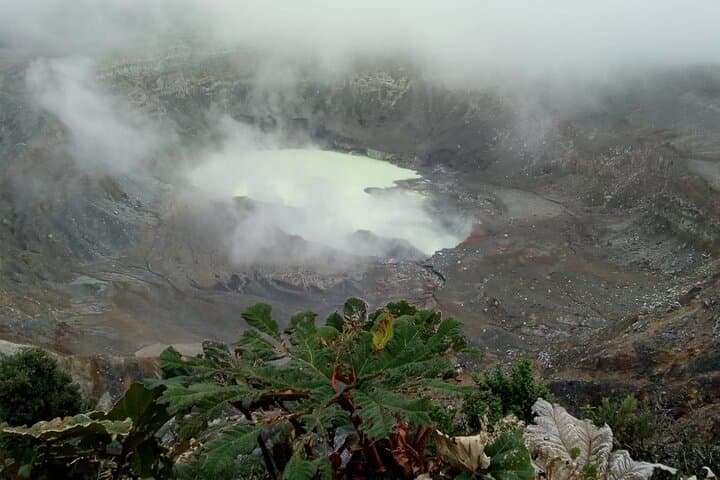
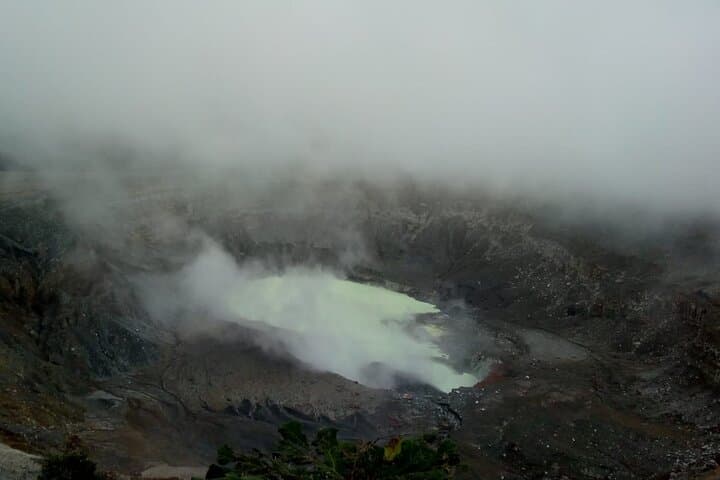
A cold mist lifts off the crater as the van climbs above the Central Valley, leaving traffic and heat behind. You step onto a scuffed viewpoint rim and feel the crater’s breath — a sulfurous wind that tugs at your jacket and reminds you this mountain is alive. Below, the main crater yawns wide; fumaroles sputter while cloud forest fingers the slopes.
Verified experiences and guided adventures in the surrounding area.
Operated by Costa Rica Itinerary · Alajuela, Alajuela
A cold mist lifts off the crater as the van climbs above the Central Valley, leaving traffic and heat behind. You step onto a scuffed viewpoint rim and feel the crater’s breath — a sulfurous wind that tugs at your jacket and reminds you this mountain is alive. Below, the main crater yawns wide; fumaroles sputter while cloud forest fingers the slopes.
Poás is an active stratovolcano rising to roughly 2,708 m (8,885 ft). Its principal crater, over a mile across and more than 300 m deep, has shaped local roads, farms and stories for centuries. Coffee cultivation clings to the lower slopes, a cultural backbone since the 19th century; many small estates here pair traditional processing with modern sustainability practices.
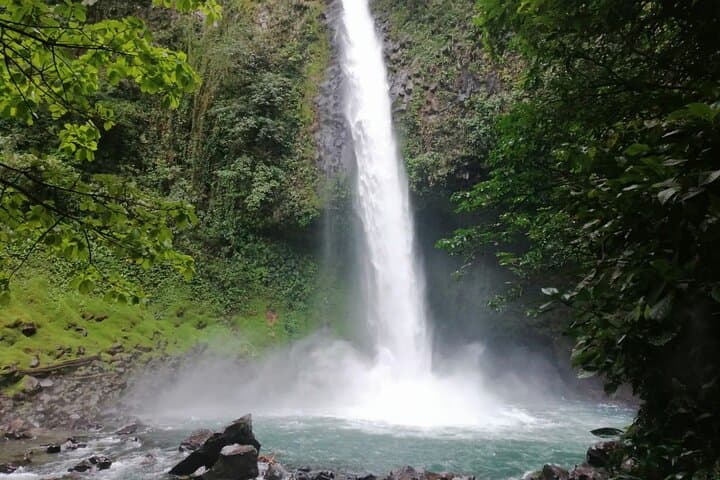
The day combines short, high-altitude walks at Poás, a guided coffee-farm tour with wet-mill and roaster demonstrations, and a stop at a roadside waterfall — terrain that shifts from paved park paths to farm tracks and viewing platforms. Expect rapid weather changes: clear vistas can vanish into drizzle in minutes.
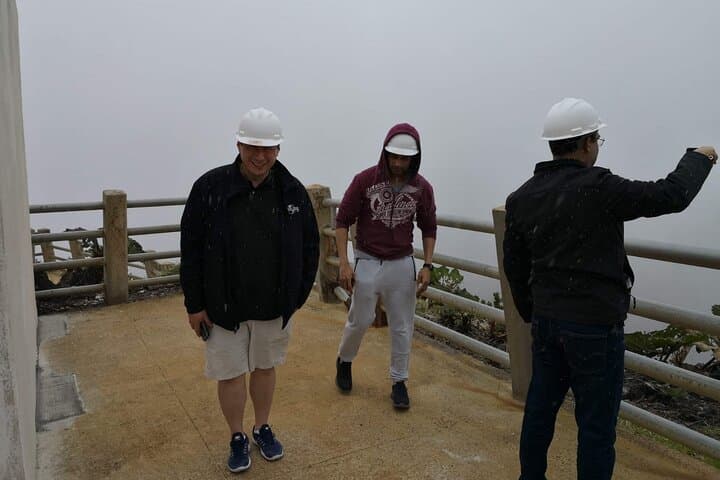
Practical guidance: carry layers and a waterproof jacket, because temperatures drop and wind increases near the crater; sunscreen still matters at high elevation. Trails are short and accessible, but watch footing on wet boardwalks. Bring cash for souvenirs and tip the local guide if service impressed you. Plan for a 6–8 hour outing from San José with hotel pickup; altitudes and smoking fumaroles mean follow park signage and guides closely for safety.
This is a compact Costa Rican day that pairs geology, agrarian culture and accessible adventure — sensory, instructive and tangible.
easy.
6–8 hours.
Suitable for most fitness levels—short walks and viewpoints rather than long hikes; expect some mild uphill on paved paths and steps.
The tour runs about 6–8 hours from San José and usually includes hotel pickup/drop-off, park entrance fees, a guided coffee farm visit, bottled water and lunch.
No—Poás is frequently shrouded in clouds or mist; guides time visits to increase chances of clear views, but visibility isn’t guaranteed.
Yes, children are permitted but must be accompanied by an adult; park rules may restrict access to certain viewpoints for safety.
Most farm tours include demonstrations of the nursery, wet mill and roasting process, plus tasting; some farms allow more hands-on activities depending on the schedule.
Poás has shaped regional development for centuries; its eruptions and fertile volcanic soils helped establish coffee as a national economic driver in the 19th century.
Poás Volcano National Park protects fragile high-altitude ecosystems—stay on marked paths, avoid feeding wildlife and follow guide and park rules to minimize impact. The featured coffee farm emphasizes sustainable practices and farmer support.
Costa Rica Itinerary operates guided outdoor trips and adventures with an emphasis on safety, stewardship, and memorable experiences.
A cold mist lifts off the crater as the van climbs above the Central Valley, leaving traffic and heat behind. You step onto a scuffed viewpoint rim and feel the crater’s breath — a sulfurous wind that tugs at your jacket and reminds you this mountain is alive. Below, the main crater yawns wide; fumaroles sputter while cloud forest fingers the slopes.
A cold mist lifts off the crater as the van climbs above the Central Valley, leaving traffic and heat behind. You step onto a scuffed viewpoint rim and feel the crater’s breath — a sulfurous wind that tugs at your jacket and reminds you this mountain is alive. Below, the main crater yawns wide; fumaroles sputter while cloud forest fingers the slopes.
Poás is an active stratovolcano rising to roughly 2,708 m (8,885 ft). Its principal crater, over a mile across and more than 300 m deep, has shaped local roads, farms and stories for centuries. Coffee cultivation clings to the lower slopes, a cultural backbone since the 19th century; many small estates here pair traditional processing with modern sustainability practices.
The day combines short, high-altitude walks at Poás, a guided coffee-farm tour with wet-mill and roaster demonstrations, and a stop at a roadside waterfall — terrain that shifts from paved park paths to farm tracks and viewing platforms. Expect rapid weather changes: clear vistas can vanish into drizzle in minutes.
Practical guidance: carry layers and a waterproof jacket, because temperatures drop and wind increases near the crater; sunscreen still matters at high elevation. Trails are short and accessible, but watch footing on wet boardwalks. Bring cash for souvenirs and tip the local guide if service impressed you. Plan for a 6–8 hour outing from San José with hotel pickup; altitudes and smoking fumaroles mean follow park signage and guides closely for safety.
This is a compact Costa Rican day that pairs geology, agrarian culture and accessible adventure — sensory, instructive and tangible.