THE ADVENTURE COLLECTIVE® · Independent discovery and booking for outdoor travel

Combine a working coffee estate, the mist and photos of La Paz Falls, and the dramatic crater of Poás Volcano on a single day trip from Alajuela or San José. Early mornings give the best light and clearest views of the lagoon and cloud forest.
Combine a working coffee estate, the mist and photos of La Paz Falls, and the dramatic crater of Poás Volcano on a single day trip from Alajuela or San José. Early mornings give the best light and clearest views of the lagoon and cloud forest.
Mist clings to the highland road as the van climbs toward Poás, the smell of fresh coffee bleeding into the cab like an invitation. Arrive at a working coffee finca and the farm’s warmth counters the mountain chill: beans drying on raised beds, hands sorting cherries, and a steaming pour that tastes of volcanic soil. A short ride later La Paz Fall announces itself—35 meters of water punching through a green-covered canyon, the spray daring cameras and hikers alike.
Verified experiences and guided adventures in the surrounding area.
Operated by Inside Tours Costa Rica · Alajuela, Alajuela
Mist clings to the highland road as the van climbs toward Poás, the smell of fresh coffee bleeding into the cab like an invitation. Arrive at a working coffee finca and the farm’s warmth counters the mountain chill: beans drying on raised beds, hands sorting cherries, and a steaming pour that tastes of volcanic soil. A short ride later La Paz Fall announces itself—35 meters of water punching through a green-covered canyon, the spray daring cameras and hikers alike.
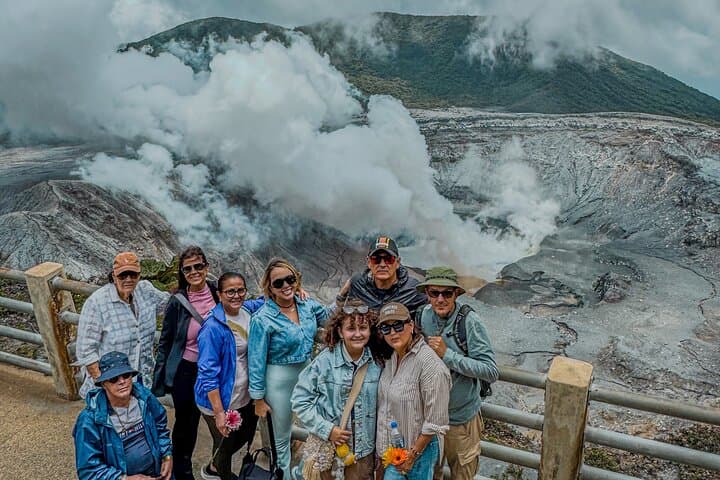
This circuit threads together human and geological histories: coffee cultivation transformed steep slopes into productive terraces, while Poás Volcano’s 1.3 km crater records repeated eruptions and acid-sulfate chemistry that created the striking turquoise lagoon. The crater exhales steam and sulfur—reminders that this landscape is active, not ornamental. La Paz is set in cloud forest, home to hummingbirds and toucans that flit through bromeliads and epiphytes.
Practical guidance: tours run around 10 hours from San José or nearby Alajuela and are suitable for most fitness levels; expect short, paved walks and a few uneven sections. Visit early—mornings often offer the clearest crater views before clouds roll in. Carry a light rain shell, closed-toe shoes, water, and a small daypack; sulfur fumes near Poás can be strong, so those with respiratory sensitivity should plan accordingly. Check volcanic activity status and park opening times in advance. Move deliberately on wet trails, respect restricted lookouts, and leave no trace—this is a fragile highland system that rewards attention and restraint.
easy.
10 hours.
Light activity: short paved walks and brief stair sections; suitable for most people in reasonable health
This is a full-day excursion of roughly 10 hours including round-trip transport, a coffee farm visit, La Paz Falls, and the Poás crater viewpoints.
Policies vary by operator; many packaged tours include entrance fees, but confirm at booking to avoid surprises.
Yes—fumaroles emit sulfur gases that can be strong; short exposures are usually fine but people with respiratory issues should take precautions or consult the operator.
Yes—walks are short and mostly paved, but there are stairs and uneven surfaces; assess mobility and consider cloud cover or altitude sensitivity.
Coffee farming reshaped the Central Valley economy in the 19th–20th centuries; volcanic soils here helped establish high-quality plantations and local traditions tied to coffee production.
Poás and surrounding cloud forests are ecologically sensitive—stay on designated paths, avoid feeding wildlife, and follow park rules to reduce erosion and disturbance.
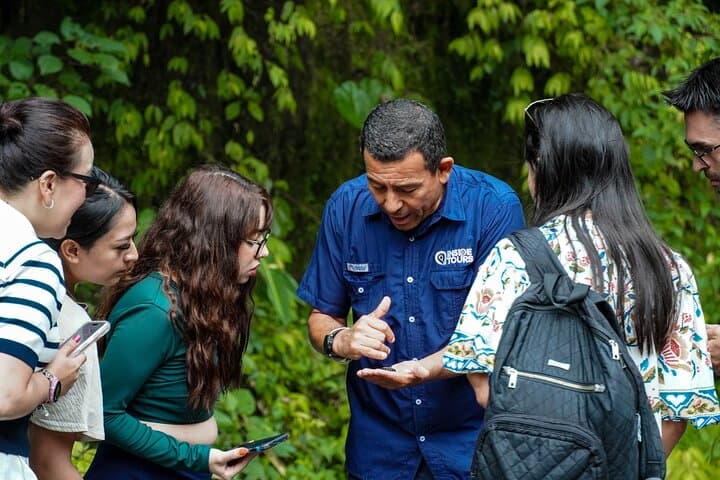
Inside Tours Costa Rica operates guided outdoor trips and adventures with an emphasis on safety, stewardship, and memorable experiences.
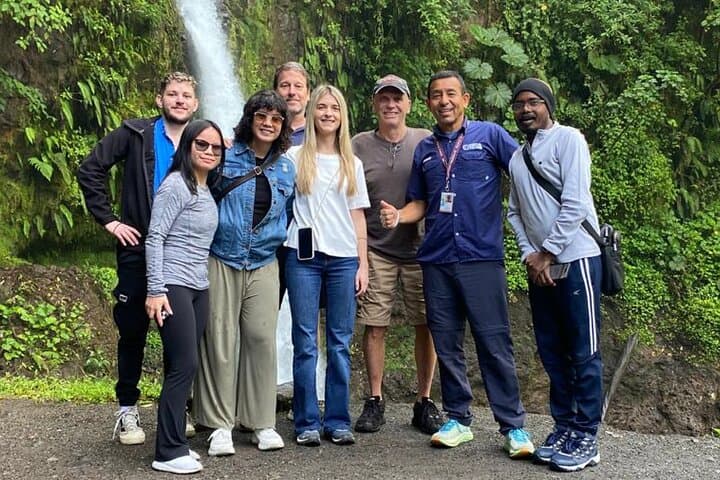
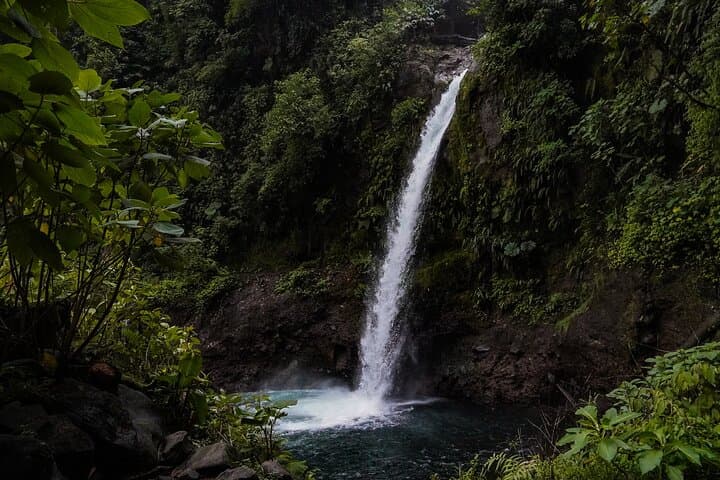
Mist clings to the highland road as the van climbs toward Poás, the smell of fresh coffee bleeding into the cab like an invitation. Arrive at a working coffee finca and the farm’s warmth counters the mountain chill: beans drying on raised beds, hands sorting cherries, and a steaming pour that tastes of volcanic soil. A short ride later La Paz Fall announces itself—35 meters of water punching through a green-covered canyon, the spray daring cameras and hikers alike.
Mist clings to the highland road as the van climbs toward Poás, the smell of fresh coffee bleeding into the cab like an invitation. Arrive at a working coffee finca and the farm’s warmth counters the mountain chill: beans drying on raised beds, hands sorting cherries, and a steaming pour that tastes of volcanic soil. A short ride later La Paz Fall announces itself—35 meters of water punching through a green-covered canyon, the spray daring cameras and hikers alike.
This circuit threads together human and geological histories: coffee cultivation transformed steep slopes into productive terraces, while Poás Volcano’s 1.3 km crater records repeated eruptions and acid-sulfate chemistry that created the striking turquoise lagoon. The crater exhales steam and sulfur—reminders that this landscape is active, not ornamental. La Paz is set in cloud forest, home to hummingbirds and toucans that flit through bromeliads and epiphytes.
Practical guidance: tours run around 10 hours from San José or nearby Alajuela and are suitable for most fitness levels; expect short, paved walks and a few uneven sections. Visit early—mornings often offer the clearest crater views before clouds roll in. Carry a light rain shell, closed-toe shoes, water, and a small daypack; sulfur fumes near Poás can be strong, so those with respiratory sensitivity should plan accordingly. Check volcanic activity status and park opening times in advance. Move deliberately on wet trails, respect restricted lookouts, and leave no trace—this is a fragile highland system that rewards attention and restraint.