THE ADVENTURE COLLECTIVE® · Independent discovery and booking for outdoor travel

Taste New England in a glass: fruit wines, jellies and savory wine sauces crafted near Plymouth Bay. This practical guide explains what to expect, how to plan your visit, and which local flavors to pair with your samples.
Taste New England in a glass: fruit wines, jellies and savory wine sauces crafted near Plymouth Bay. This practical guide explains what to expect, how to plan your visit, and which local flavors to pair with your samples.
You step into a low-ceilinged tasting room where a ribbon of harbor light pushes across a row of bottles; the smell is part sea brine, part warm berry. Plymouth Bay Winery sits a short walk from the waterfront, offering an approachable tasting of fruit-forward wines alongside house-made jellies and savory wine sauces that echo New England’s orchard and salt‑air flavors.
Verified experiences and guided adventures in the surrounding area.
Operated by Plymouth Bay Winery · Plymouth, Massachusetts
You step into a low-ceilinged tasting room where a ribbon of harbor light pushes across a row of bottles; the smell is part sea brine, part warm berry. Plymouth Bay Winery sits a short walk from the waterfront, offering an approachable tasting of fruit-forward wines alongside house-made jellies and savory wine sauces that echo New England’s orchard and salt‑air flavors.
The place belongs to America’s Hometown—Plymouth—whose history of landing, fishing and small-scale farming shaped local ingredients. Geologically the coast here was carved by retreating glaciers and tidal currents; the result is shallow coves, kettle ponds, and fertile seaside soils that favor blueberries, cranberries and other northeastern fruit used in these wines and preserves.
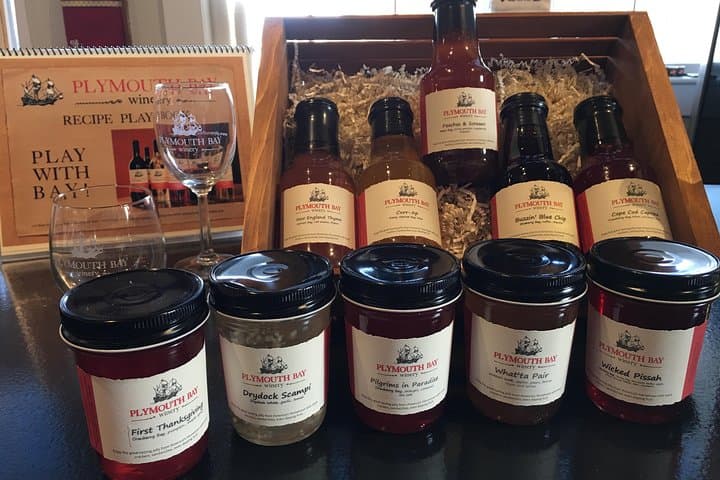
Culturally this tasting is informal: producers frame their bottles against local dishes—clam bakes, roast pork, cheddar—inviting you to taste wines that were designed to pair with everyday New England cooking rather than formal courses. The tasting includes a guided presentation of the full collection and a commemorative etched glass, with staff explaining which jellies and sauces match grilled meats or breakfast toast.
Practically, reserve a time (they ask you to specify it at booking), bring valid ID (21+), and expect to stand or move between samples—moderate mobility is required. Public transit options reach central Plymouth, but check parking if you drive. Pace pours, ask for pairing suggestions, and buy jars to take home: these products are built for kitchen use. If you want a quieter visit, aim for weekday mornings outside summer; if you want people‑watching, pick a weekend when the harbor is busiest.
easy.
Flexible (typically 45–90 minutes).
Light — ability to stand and walk short distances; not strenuous.
You should specify a desired tasting time when booking; while walk-ins may be possible, reservations secure your spot during busy periods.
Daily tastings include a guided presentation and sampling of the collection; offerings often include a commemorative etched glass—confirm current fees when booking.
Accessibility can vary—contact the operator directly before your visit to confirm accommodations.
No—minimum age is 21 for tastings, so children and minors are not permitted to participate.
Plymouth’s settlement in the 17th century and its maritime economy helped establish local fruit preservation and small-batch food traditions now reflected in regional wines and jellies.
Many local producers source fruit from nearby farms; support small-batch makers and recycle glass bottles—avoid bringing single-use plastics to reduce beach and harbor pollution.
Plymouth Bay Winery operates guided outdoor trips and adventures with an emphasis on safety, stewardship, and memorable experiences.
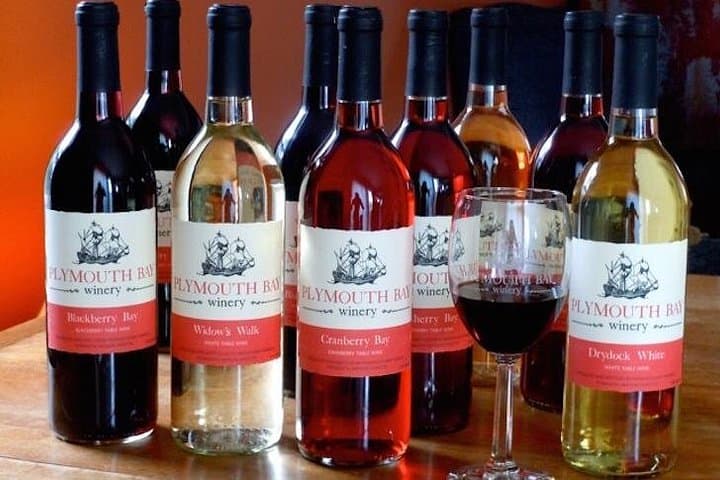
You step into a low-ceilinged tasting room where a ribbon of harbor light pushes across a row of bottles; the smell is part sea brine, part warm berry. Plymouth Bay Winery sits a short walk from the waterfront, offering an approachable tasting of fruit-forward wines alongside house-made jellies and savory wine sauces that echo New England’s orchard and salt‑air flavors.
You step into a low-ceilinged tasting room where a ribbon of harbor light pushes across a row of bottles; the smell is part sea brine, part warm berry. Plymouth Bay Winery sits a short walk from the waterfront, offering an approachable tasting of fruit-forward wines alongside house-made jellies and savory wine sauces that echo New England’s orchard and salt‑air flavors.
The place belongs to America’s Hometown—Plymouth—whose history of landing, fishing and small-scale farming shaped local ingredients. Geologically the coast here was carved by retreating glaciers and tidal currents; the result is shallow coves, kettle ponds, and fertile seaside soils that favor blueberries, cranberries and other northeastern fruit used in these wines and preserves.
Culturally this tasting is informal: producers frame their bottles against local dishes—clam bakes, roast pork, cheddar—inviting you to taste wines that were designed to pair with everyday New England cooking rather than formal courses. The tasting includes a guided presentation of the full collection and a commemorative etched glass, with staff explaining which jellies and sauces match grilled meats or breakfast toast.
Practically, reserve a time (they ask you to specify it at booking), bring valid ID (21+), and expect to stand or move between samples—moderate mobility is required. Public transit options reach central Plymouth, but check parking if you drive. Pace pours, ask for pairing suggestions, and buy jars to take home: these products are built for kitchen use. If you want a quieter visit, aim for weekday mornings outside summer; if you want people‑watching, pick a weekend when the harbor is busiest.