THE ADVENTURE COLLECTIVE® · Independent discovery and booking for outdoor travel

A guided full-day from Zagreb that delivers the iconic boardwalks, cascading travertine falls and a boat ride across Kozjak. Practical route, local history, and must-have planning tips for a quieter, more meaningful visit.
A guided full-day from Zagreb that delivers the iconic boardwalks, cascading travertine falls and a boat ride across Kozjak. Practical route, local history, and must-have planning tips for a quieter, more meaningful visit.
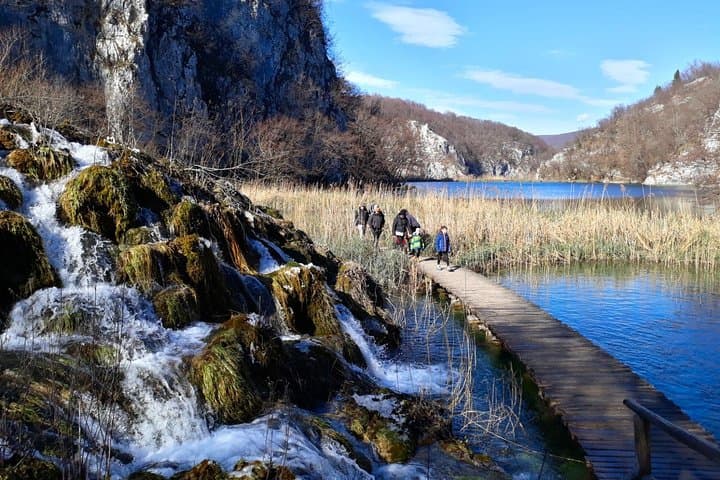
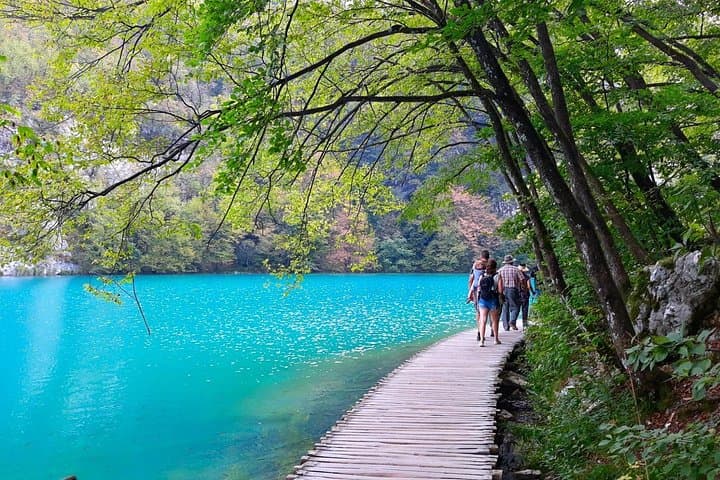
You arrive before the crowds and the first wooden boardwalk seems to breathe under your boots, the water at the edge of the path pulling your eyes to a ribbon of turquoise that threads through the valley.
Verified experiences and guided adventures in the surrounding area.
Operated by Servus Tours · Plitvička Jezera, Lika-Senj County
You arrive before the crowds and the first wooden boardwalk seems to breathe under your boots, the water at the edge of the path pulling your eyes to a ribbon of turquoise that threads through the valley.
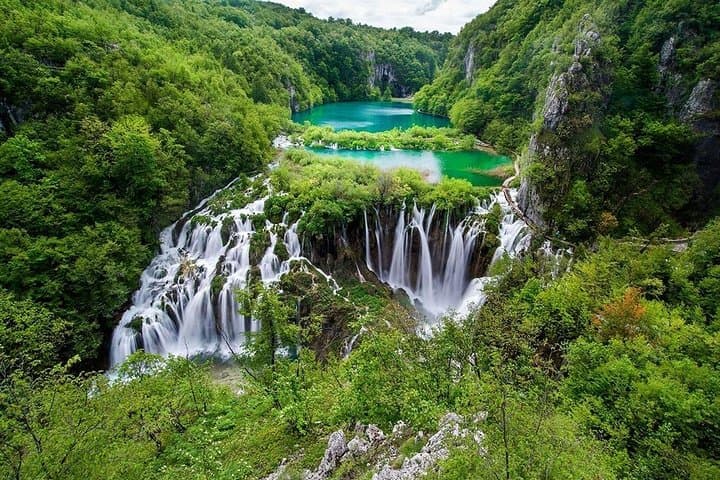
Plitvice Lakes National Park sits on a karst plateau in the Dinaric Alps where rivers and springs have built travertine dams for millennia, creating tiered lakes and falls that move, grow and recede with the season. The park’s designation as a UNESCO World Heritage Site reflects both its geological oddity and long human presence — shepherds, millers in the nearby village of Rastoke, and later early conservation efforts that protected these waters.
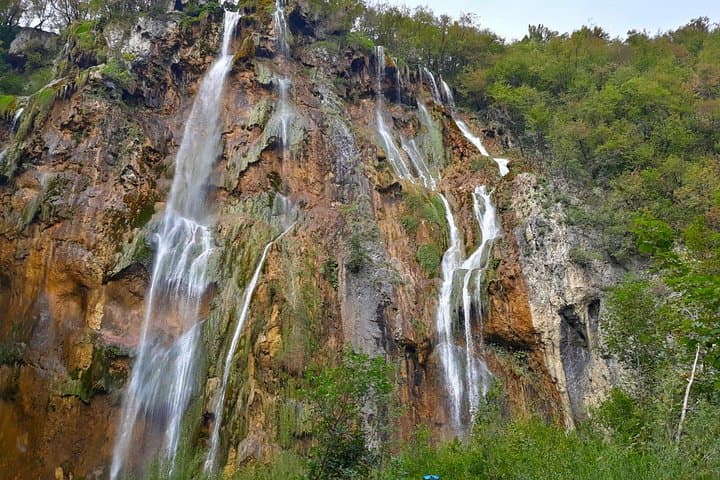
A full-day guided tour from Zagreb covers the park’s main boardwalk circuits, a short boat crossing on Kozjak, and a photo stop in historic Rastoke. Expect centuries-old limestone, moss that clings like green velvet to cliff faces, and water that seems to dare you to follow its current.
Practically speaking: plan for 9–10 hours including drive time, wear sturdy shoes and layered clothing for temperature swings, and bring a refillable water bottle and rain shell. Peak season brings crowds from late morning—aim for early entry with your guide to catch quieter viewpoints and stronger light for photos. Stay on marked paths: the park’s travertine formations are fragile, and swimming is prohibited year-round. Guides supply local context—legends of the lakes, how travertine forms, and the park’s management practices—leaving you with both an easy walk through spectacular geology and a clear sense of how to minimize your impact while there.
easy.
10 hours.
Light walking fitness; able to manage multiple boardwalks and short stair sections over several hours
Yes — this full-day tour includes the official Plitvice Lakes National Park entrance ticket.
Round-trip transportation from Zagreb makes the full day about 9–10 hours total, with roughly 2–2.5 hours each way depending on traffic.
Some lower-level boardwalk sections are relatively flat, but many routes include steps; check with the operator about specific accessibility options before booking.
No — swimming is strictly prohibited to protect the travertine formations and fragile ecosystems.
Local communities and mill villages like Rastoke have been tied to the waterways for centuries; the park was one of Croatia’s earliest protected areas and became a UNESCO site in 1979.
The park enforces strict trail use and prohibits swimming; visitors should stay on boardwalks, avoid touching travertine, and follow guide instructions to minimize impact.
Servus Tours operates guided outdoor trips and adventures with an emphasis on safety, stewardship, and memorable experiences.
You arrive before the crowds and the first wooden boardwalk seems to breathe under your boots, the water at the edge of the path pulling your eyes to a ribbon of turquoise that threads through the valley.
You arrive before the crowds and the first wooden boardwalk seems to breathe under your boots, the water at the edge of the path pulling your eyes to a ribbon of turquoise that threads through the valley.
Plitvice Lakes National Park sits on a karst plateau in the Dinaric Alps where rivers and springs have built travertine dams for millennia, creating tiered lakes and falls that move, grow and recede with the season. The park’s designation as a UNESCO World Heritage Site reflects both its geological oddity and long human presence — shepherds, millers in the nearby village of Rastoke, and later early conservation efforts that protected these waters.
A full-day guided tour from Zagreb covers the park’s main boardwalk circuits, a short boat crossing on Kozjak, and a photo stop in historic Rastoke. Expect centuries-old limestone, moss that clings like green velvet to cliff faces, and water that seems to dare you to follow its current.
Practically speaking: plan for 9–10 hours including drive time, wear sturdy shoes and layered clothing for temperature swings, and bring a refillable water bottle and rain shell. Peak season brings crowds from late morning—aim for early entry with your guide to catch quieter viewpoints and stronger light for photos. Stay on marked paths: the park’s travertine formations are fragile, and swimming is prohibited year-round. Guides supply local context—legends of the lakes, how travertine forms, and the park’s management practices—leaving you with both an easy walk through spectacular geology and a clear sense of how to minimize your impact while there.