THE ADVENTURE COLLECTIVE® · Independent discovery and booking for outdoor travel

A private day trip from Zagreb delivers two contrasting water landscapes: the terraced, UNESCO‑listed Plitvice Lakes with boat and train segments, and the historic mill village of Rastoke. Expect boardwalks, short stair climbs, park admission (not always included) and a full day of walking and sightseeing.
A private day trip from Zagreb delivers two contrasting water landscapes: the terraced, UNESCO‑listed Plitvice Lakes with boat and train segments, and the historic mill village of Rastoke. Expect boardwalks, short stair climbs, park admission (not always included) and a full day of walking and sightseeing.
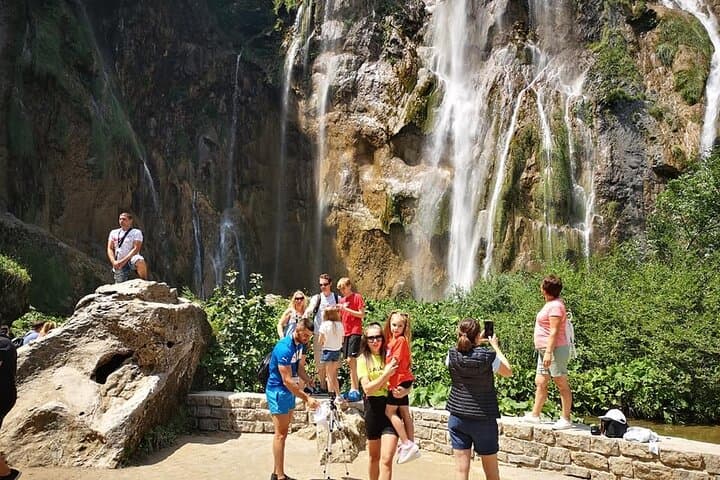
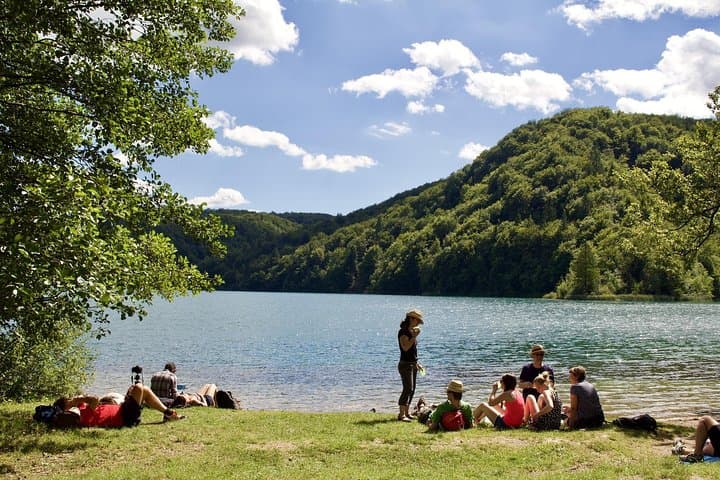
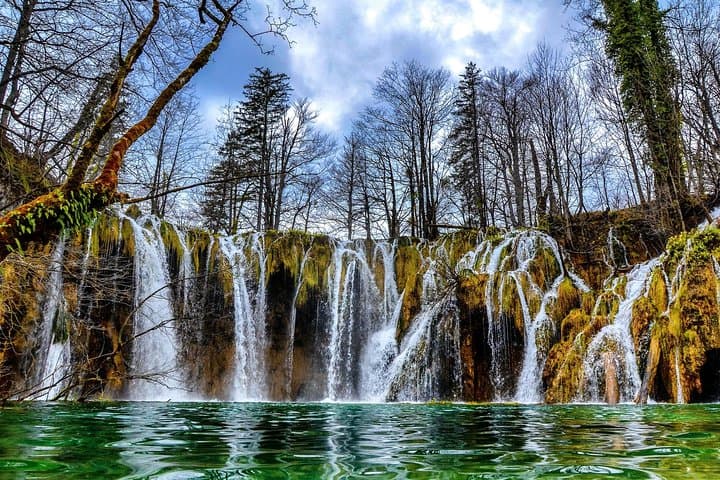
You step out of the air‑conditioned vehicle and the sound changes: water everywhere — cascading, splashing, threading through travertine tiers that have been building for millennia. The guide leads you onto wooden boardwalks that skim the water’s edge; the lakes pull at the light and dare you to slow down, to take the longer route.
Verified experiences and guided adventures in the surrounding area.
Operated by Mapping Croatia · Zagreb, Zagreb
You step out of the air‑conditioned vehicle and the sound changes: water everywhere — cascading, splashing, threading through travertine tiers that have been building for millennia. The guide leads you onto wooden boardwalks that skim the water’s edge; the lakes pull at the light and dare you to slow down, to take the longer route.
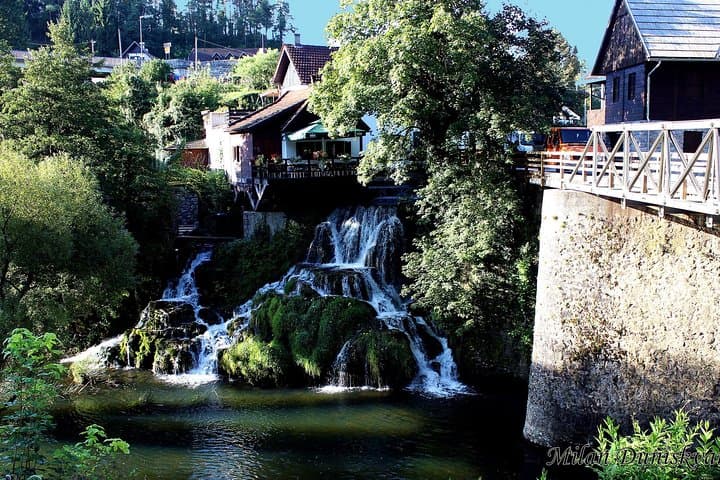
Plitvice Lakes National Park, a UNESCO World Heritage Site since 1979, occupies a karst landscape where limestone and biological processes create the terraced lakes and falls. A short drive away, Rastoke’s clustered watermills mark a different history: working architecture where the Slunjčica meets the Korana, and where millwright traditions survived conflict and reconstruction.
Expect mixed terrain: maintained boardwalks and paved paths at Plitvice, with short stair sections and occasional wet surfaces. The program commonly pairs a guided lakes walk with a boat crossing and a panoramic electric train that moves you between basin viewpoints. Local culture shows in simple restaurants serving štrukli and grilled meats; guides often point out how settlement patterns followed waterways here for centuries.
Practical edge: this is a long day (9–11 hours round trip from Zagreb). Entrance fees for the park are typically not included, so bring ID and cash/card for tickets and lunch. Wear waterproof, grippy shoes and layer for variable temperatures—mornings in the forest can be cool while exposed overlooks heat up quickly. Bring water, snacks, and a compact rain shell; respect park rules and stay on designated paths to protect the delicate travertine formations.
easy.
9–11 hours.
Suitable for most fitness levels; involves several hours of walking on mostly flat but sometimes uneven boardwalks and short stair sections.
Admission is often not included—confirm when booking and be prepared to pay the entrance fee at Plitvice on the day.
The transfer is about two hours each way, depending on traffic, making the full experience a 9–11 hour day.
Yes—paths are maintained and the tour is marketed as suitable for all fitness levels, though some participants may prefer a gentler pace or shorter loop options.
No—drones are prohibited inside Plitvice National Park and usually restricted in Rastoke; check local rules and respect signage.
Plitvice was designated a UNESCO site in 1979 for its geological and ecological values; Rastoke developed as a mill village where rivers provided both power and settlement.
The park enforces strict path use to protect travertine formation and aquatic habitats—minimize waste, avoid feeding wildlife, and follow all posted rules.
Mapping Croatia operates guided outdoor trips and adventures with an emphasis on safety, stewardship, and memorable experiences.
You step out of the air‑conditioned vehicle and the sound changes: water everywhere — cascading, splashing, threading through travertine tiers that have been building for millennia. The guide leads you onto wooden boardwalks that skim the water’s edge; the lakes pull at the light and dare you to slow down, to take the longer route.
You step out of the air‑conditioned vehicle and the sound changes: water everywhere — cascading, splashing, threading through travertine tiers that have been building for millennia. The guide leads you onto wooden boardwalks that skim the water’s edge; the lakes pull at the light and dare you to slow down, to take the longer route.
Plitvice Lakes National Park, a UNESCO World Heritage Site since 1979, occupies a karst landscape where limestone and biological processes create the terraced lakes and falls. A short drive away, Rastoke’s clustered watermills mark a different history: working architecture where the Slunjčica meets the Korana, and where millwright traditions survived conflict and reconstruction.
Expect mixed terrain: maintained boardwalks and paved paths at Plitvice, with short stair sections and occasional wet surfaces. The program commonly pairs a guided lakes walk with a boat crossing and a panoramic electric train that moves you between basin viewpoints. Local culture shows in simple restaurants serving štrukli and grilled meats; guides often point out how settlement patterns followed waterways here for centuries.
Practical edge: this is a long day (9–11 hours round trip from Zagreb). Entrance fees for the park are typically not included, so bring ID and cash/card for tickets and lunch. Wear waterproof, grippy shoes and layer for variable temperatures—mornings in the forest can be cool while exposed overlooks heat up quickly. Bring water, snacks, and a compact rain shell; respect park rules and stay on designated paths to protect the delicate travertine formations.