THE ADVENTURE COLLECTIVE® · Independent discovery and booking for outdoor travel

Spend a day walking wooden boardwalks and riding an electric boat through Croatia’s UNESCO-listed Plitvice Lakes, with a scenic stop in the historic watermill village of Rastoke. Entrance and transport from Zagreb are included for a small-group, guided experience.
Spend a day walking wooden boardwalks and riding an electric boat through Croatia’s UNESCO-listed Plitvice Lakes, with a scenic stop in the historic watermill village of Rastoke. Entrance and transport from Zagreb are included for a small-group, guided experience.
You step off the van into a hush of limestone cliffs and water that moves like a living thing—clear rivers pushing through channels, boardwalks guiding you over glassy pools. The day begins with a short stop at Rastoke, where tumbling mill races and wooden structures meet the blue-green confluence of the Slunjčica and Korana rivers.
Verified experiences and guided adventures in the surrounding area.
Operated by Toural · Plitvička Jezera, Lika-Senj County
You step off the van into a hush of limestone cliffs and water that moves like a living thing—clear rivers pushing through channels, boardwalks guiding you over glassy pools. The day begins with a short stop at Rastoke, where tumbling mill races and wooden structures meet the blue-green confluence of the Slunjčica and Korana rivers.
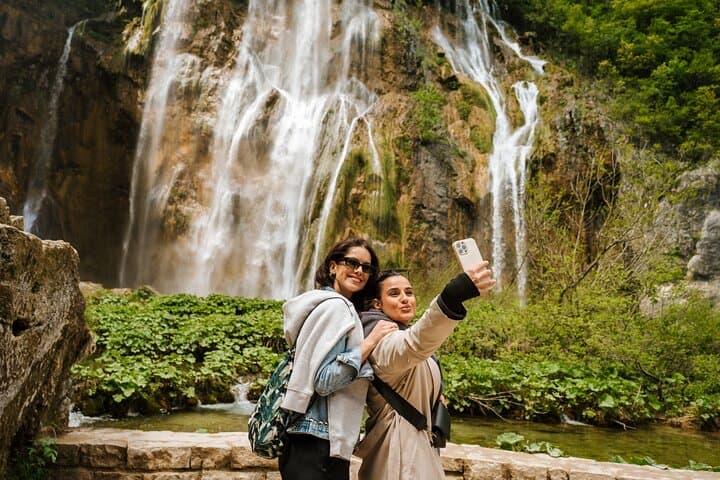
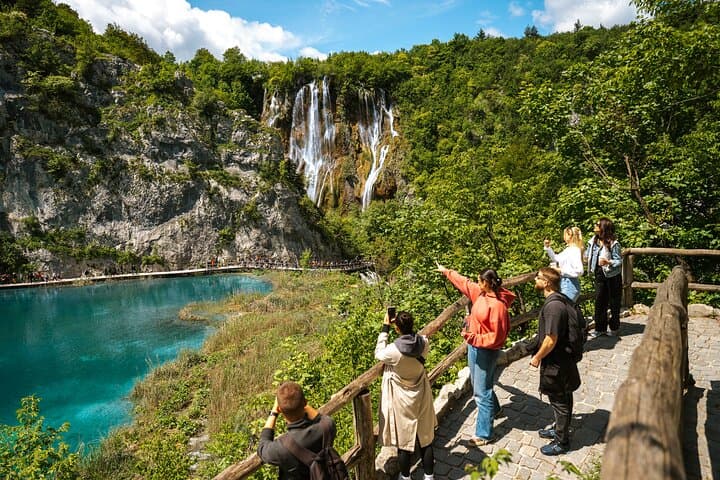
Plitvice Lakes National Park is carved in karst: 16 terraced lakes linked by waterfalls and travertine barriers that build themselves from mineral-rich water. The park’s 12 Upper and four Lower lakes are connected by wooden walkways, short electric-boat crossings on Lake Kozjak, and a panoramic train that shortens long loops. History arrives in small details — watermills at Rastoke and the Napoleonic-era bridge — while the park’s formal protection and UNESCO listing preserve both geology and local culture.
Practically, expect a full day of walking on mostly even boardwalks and forest trails with some stair sections; the tour includes entrance fees and a guided English- or Spanish-speaking guide. Highlights include Veliki Slap (the Great Waterfall, about 78 meters) and the boat ride on Kozjak where lunch breaks usually happen. Wear sturdy shoes, carry a rain shell and water, and be prepared for fast-changing mountain weather. Photography windows open early and late; winter turns waterfalls to ice sculptures and narrows accessible sections.
This semi-private tour balances structure with small-group flexibility: comfortable transport from Zagreb, eco-friendly boat rides, and a route that hits both lower and upper lakes. Time your visit to avoid midday crowds and leave room to listen—water here has a way of directing the day.
moderate.
10 hours (full day).
Moderate—comfortable walking ability for several hours, able to navigate steps and uneven boardwalks.
The park is roughly 130 km (about 2 hours) from Zagreb by road; schedules vary, but most day tours include hotel pickup and return the same day.
Yes—this tour specifies that the Plitvice Lakes entrance fee is included in the price.
Children can do much of the route, but infants require a carrier for stairs and uneven sections; the tour notes infant seats available for transport and expects moderate fitness.
Sections can be seasonally restricted for safety; check with the operator ahead of time—full refunds are typically available if you cancel at least 24 hours before departure.
Rastoke’s watermills date back centuries and even saw Napoleonic-era works on bridges; the region’s towns like Karlovac formed as defensive sites during Ottoman conflicts.
Plitvice is actively managed to protect travertine formation processes and waterways; visitors are asked to stay on trails and avoid introducing contaminants to the lakes.
Toural operates guided outdoor trips and adventures with an emphasis on safety, stewardship, and memorable experiences.


You step off the van into a hush of limestone cliffs and water that moves like a living thing—clear rivers pushing through channels, boardwalks guiding you over glassy pools. The day begins with a short stop at Rastoke, where tumbling mill races and wooden structures meet the blue-green confluence of the Slunjčica and Korana rivers.
You step off the van into a hush of limestone cliffs and water that moves like a living thing—clear rivers pushing through channels, boardwalks guiding you over glassy pools. The day begins with a short stop at Rastoke, where tumbling mill races and wooden structures meet the blue-green confluence of the Slunjčica and Korana rivers.
Plitvice Lakes National Park is carved in karst: 16 terraced lakes linked by waterfalls and travertine barriers that build themselves from mineral-rich water. The park’s 12 Upper and four Lower lakes are connected by wooden walkways, short electric-boat crossings on Lake Kozjak, and a panoramic train that shortens long loops. History arrives in small details — watermills at Rastoke and the Napoleonic-era bridge — while the park’s formal protection and UNESCO listing preserve both geology and local culture.
Practically, expect a full day of walking on mostly even boardwalks and forest trails with some stair sections; the tour includes entrance fees and a guided English- or Spanish-speaking guide. Highlights include Veliki Slap (the Great Waterfall, about 78 meters) and the boat ride on Kozjak where lunch breaks usually happen. Wear sturdy shoes, carry a rain shell and water, and be prepared for fast-changing mountain weather. Photography windows open early and late; winter turns waterfalls to ice sculptures and narrows accessible sections.
This semi-private tour balances structure with small-group flexibility: comfortable transport from Zagreb, eco-friendly boat rides, and a route that hits both lower and upper lakes. Time your visit to avoid midday crowds and leave room to listen—water here has a way of directing the day.