THE ADVENTURE COLLECTIVE® · Independent discovery and booking for outdoor travel

Spend a day walking Plitvice Lakes’ wooden boardwalks and boat crossings on a private guided trip from Zagreb. This practical guide outlines what you’ll see, how the lakes formed, and how to prepare for slippery boardwalks, sudden weather, and peak crowds.
Spend a day walking Plitvice Lakes’ wooden boardwalks and boat crossings on a private guided trip from Zagreb. This practical guide outlines what you’ll see, how the lakes formed, and how to prepare for slippery boardwalks, sudden weather, and peak crowds.
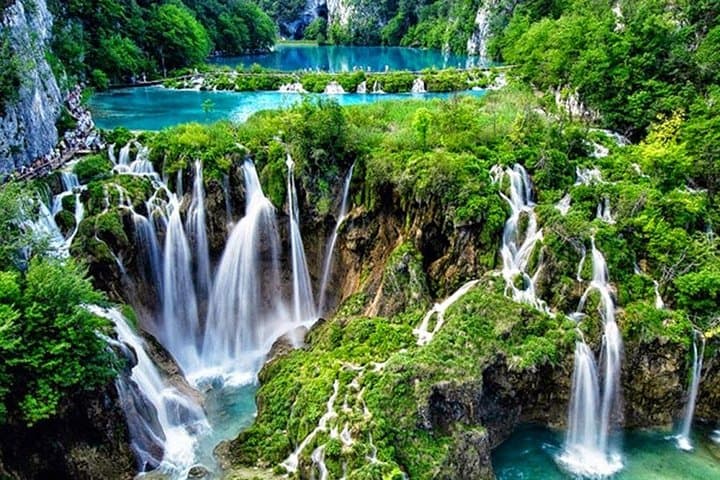
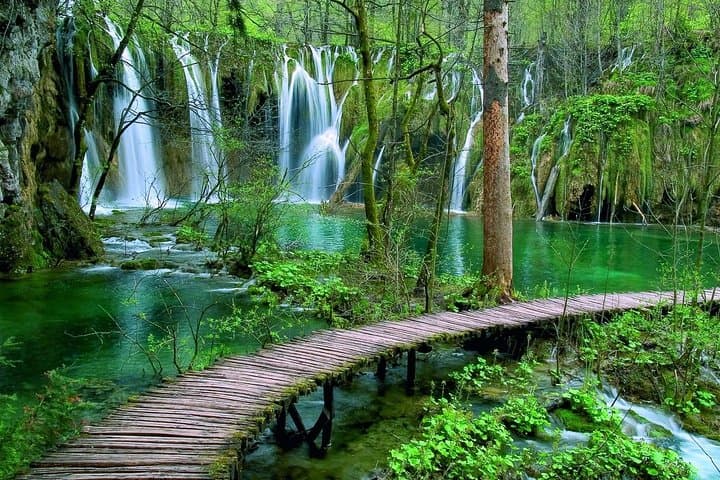
A cool mist hangs over the wooden walkways as you step from maples into a corridor of tumbling water — the first of Plitvice’s turquoise tiers shifting light like a living map. The day begins in transit from Zagreb, the city falling away into karst fields until the park’s forested rim appears, a mosaic of limestone, beech, and fir that channels dozens of small rivers into 16 linked lakes.
Verified experiences and guided adventures in the surrounding area.
Operated by Budget Transfer Croatia · Plitvička Jezera, Lika-Senj County
A cool mist hangs over the wooden walkways as you step from maples into a corridor of tumbling water — the first of Plitvice’s turquoise tiers shifting light like a living map. The day begins in transit from Zagreb, the city falling away into karst fields until the park’s forested rim appears, a mosaic of limestone, beech, and fir that channels dozens of small rivers into 16 linked lakes.
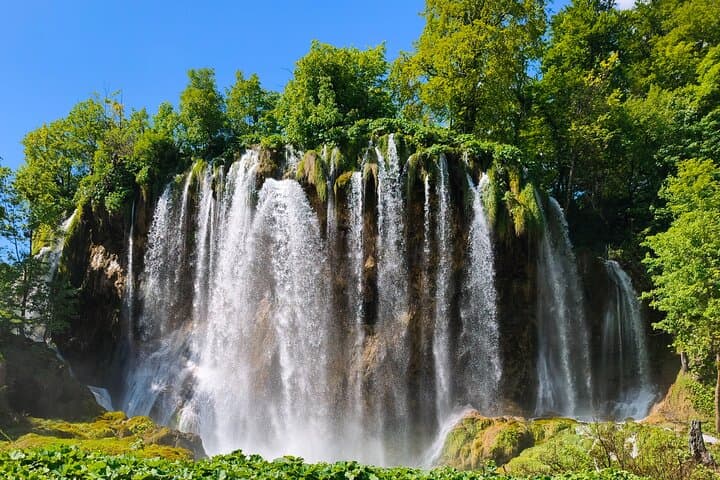
Plitvice Lakes National Park is Croatia’s oldest and a UNESCO World Heritage site, carved and sealed by travertine dams formed where mineral-rich streams meet moss and algae. Centuries of rural life — mills at Rastoke and shepherding in the hinterland — sit lightly at the park’s edges, while the boardwalks route visitors past Veliki Slap and quiet coves where otters slip like shadows.
Expect a structured walk: about 4–6 miles on uneven wooden causeways and packed dirt, brief boat crossings on Lake Kozjak, and viewpoints that force you to pause. The guide points out endemic plants and calls of forest birds while managing timing to avoid the heaviest crowds.
Practical notes: wear grippy, waterproof footwear and layer for sudden rain; the boardwalks are exposed and can be slippery. Bring water, a light rain shell, and a camera with a polarizer for deeper water color. If you prefer solitude, aim for early departure and weekdays outside July–August. Respect marked trails — the karst and travertine shelves are fragile. A private guided transfer from Zagreb streamlines logistics and gives you four focused hours inside the park itself — enough to see the highlights without feeling rushed.
moderate.
8 hours.
Moderate — be able to walk 4–6 miles on uneven terrain and climb short flights of steps.
This private tour typically covers guided services and transfers; park admission is often separate — confirm at booking or be prepared to purchase entrance at the park.
Expect 3–4 hours of walking along boardwalks and trails with short boat transfers; total trip time including transfers from Zagreb is about 8 hours.
Parts of the park are stroller-friendly but many sections include steps and narrow boardwalks; inquire about accessibility and bring a carrier for very young children.
Large mammals exist in the region but sightings are rare; you’re more likely to notice birds, deer, and signs of otters near quieter waters.
Plitvice Lakes was established as Croatia’s first national park in 1949 and later inscribed on the UNESCO list for its unique travertine cascade formations shaped by karst hydrology.
The park limits off-trail access and uses boardwalks to protect fragile travertine and endemic plants; follow Leave No Trace principles and avoid touching mineral shelves.
Budget Transfer Croatia operates guided outdoor trips and adventures with an emphasis on safety, stewardship, and memorable experiences.
A cool mist hangs over the wooden walkways as you step from maples into a corridor of tumbling water — the first of Plitvice’s turquoise tiers shifting light like a living map. The day begins in transit from Zagreb, the city falling away into karst fields until the park’s forested rim appears, a mosaic of limestone, beech, and fir that channels dozens of small rivers into 16 linked lakes.
A cool mist hangs over the wooden walkways as you step from maples into a corridor of tumbling water — the first of Plitvice’s turquoise tiers shifting light like a living map. The day begins in transit from Zagreb, the city falling away into karst fields until the park’s forested rim appears, a mosaic of limestone, beech, and fir that channels dozens of small rivers into 16 linked lakes.
Plitvice Lakes National Park is Croatia’s oldest and a UNESCO World Heritage site, carved and sealed by travertine dams formed where mineral-rich streams meet moss and algae. Centuries of rural life — mills at Rastoke and shepherding in the hinterland — sit lightly at the park’s edges, while the boardwalks route visitors past Veliki Slap and quiet coves where otters slip like shadows.
Expect a structured walk: about 4–6 miles on uneven wooden causeways and packed dirt, brief boat crossings on Lake Kozjak, and viewpoints that force you to pause. The guide points out endemic plants and calls of forest birds while managing timing to avoid the heaviest crowds.
Practical notes: wear grippy, waterproof footwear and layer for sudden rain; the boardwalks are exposed and can be slippery. Bring water, a light rain shell, and a camera with a polarizer for deeper water color. If you prefer solitude, aim for early departure and weekdays outside July–August. Respect marked trails — the karst and travertine shelves are fragile. A private guided transfer from Zagreb streamlines logistics and gives you four focused hours inside the park itself — enough to see the highlights without feeling rushed.