THE ADVENTURE COLLECTIVE® · Independent discovery and booking for outdoor travel

Skip long entrance lines and reclaim hours at Plitvice Lakes with an air‑conditioned transfer from Zadar. This day trip delivers nearly a full day to explore boardwalks, waterfalls and boat crossings on your own schedule.
Skip long entrance lines and reclaim hours at Plitvice Lakes with an air‑conditioned transfer from Zadar. This day trip delivers nearly a full day to explore boardwalks, waterfalls and boat crossings on your own schedule.
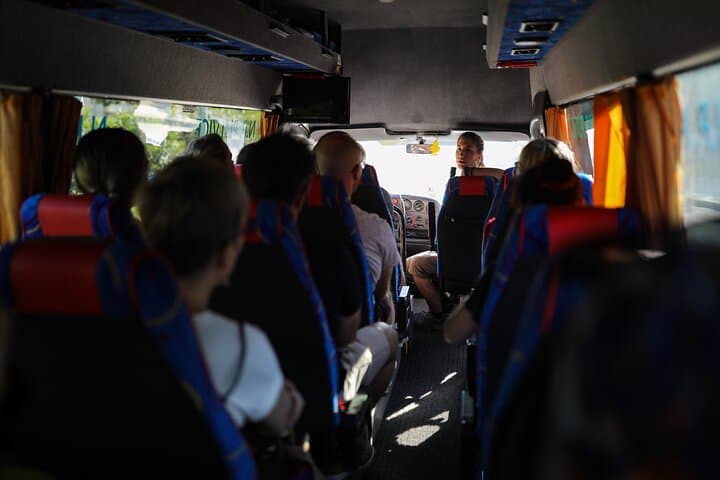
A low sun slices through the karst forest as the bus unwinds from Zadar toward the heart of Croatia’s limestone country. By the time you step off, the lakes have already started their slow choreography: water finding new routes, wooden boardwalks creaking like pages turned. This transfer and skip-the-line service hands you the ticket and the extra hours most visitors lose in queues, letting the park’s cascades call you instead of a queue clerk.
Verified experiences and guided adventures in the surrounding area.
Operated by Croatica · Plitvička Jezera, Lika-Senj County
A low sun slices through the karst forest as the bus unwinds from Zadar toward the heart of Croatia’s limestone country. By the time you step off, the lakes have already started their slow choreography: water finding new routes, wooden boardwalks creaking like pages turned. This transfer and skip-the-line service hands you the ticket and the extra hours most visitors lose in queues, letting the park’s cascades call you instead of a queue clerk.
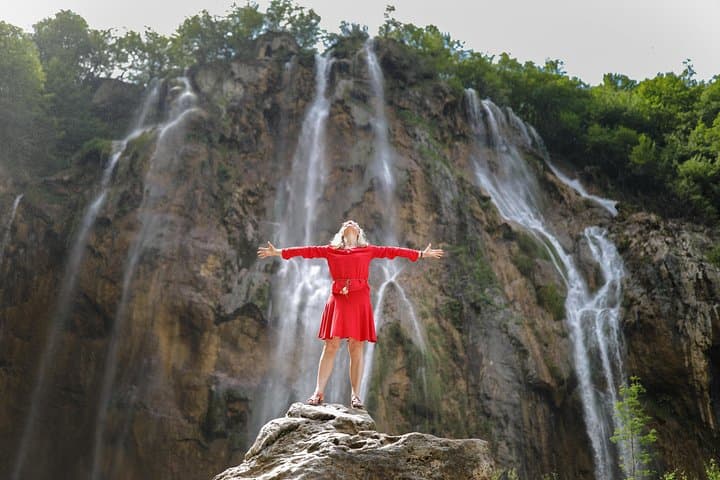
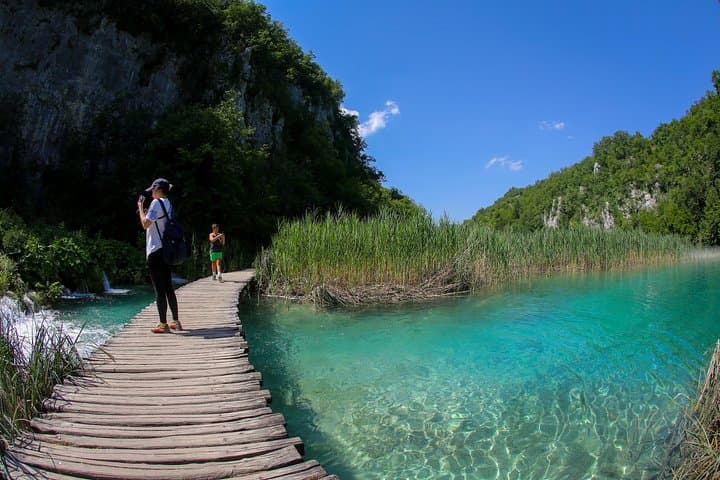
Plitvice Lakes National Park was founded in 1949 and listed as a UNESCO World Heritage site in 1979 for its exceptional travertine formations. The park sits in a folded karst basin where tufa barriers build and rebuild, creating shelves, pools, and a distinct blue-green palette that shifts with light and algae. Local culture is rural Lika — shepherding, beech forest management and small guesthouses that grew up around the park’s entrances.
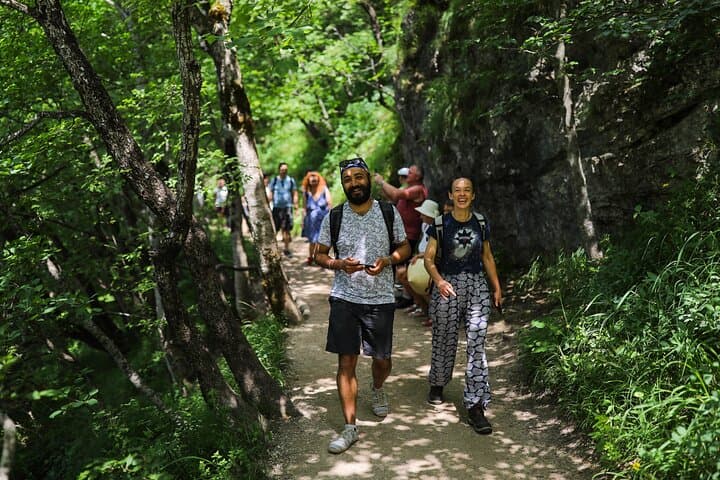
Expect a self-guided day: marked trails and boardwalks loop through Upper and Lower Lakes, with short electric boat rides across Kozjak Lake. The path is mostly flat but can be damp and slippery after rain; the water seems intent on pulling you toward its edge.
Practical pointers: the full outing fits into a 9‑hour window—early departure and the skip-the-line ticket are the elements that turn a rushed trip into an unrushed one. Wear grippy shoes, bring a rain layer and refillable water. Respect the no-swimming rule; the boardwalks exist to protect both limestone and visitor.
This transfer is straightforward logistics plus extra park time — ideal for travelers staying in Zadar who want maximum time among Plitvice’s falling water and quiet trails.
easy.
9 hours.
Suitable for light to moderate walkers able to stand and walk for several hours; trails are mostly flat but include steps and uneven boardwalks.
The drive is roughly 1 hour 45 minutes to 2 hours each way depending on traffic and weather, so expect about 9 hours total including transit and park time.
Yes — the service hands you park tickets on arrival so you avoid the main ticketing queue, saving several hours during peak season.
No — food is not included; there are small cafes near entrances but options are limited inside the park, so bring snacks if you prefer.
Yes — the transfer is family-friendly; infant seats are available on request and the trails are suitable for children who can walk along boardwalks.
Plitvice was designated Croatia’s first national park in 1949 and added to the UNESCO World Heritage List in 1979 for its unique travertine landscape.
Boardwalks and strict no‑swimming rules protect fragile tufa formations; stay on marked trails and carry out all trash to reduce visitor impact.
Croatica operates guided outdoor trips and adventures with an emphasis on safety, stewardship, and memorable experiences.
A low sun slices through the karst forest as the bus unwinds from Zadar toward the heart of Croatia’s limestone country. By the time you step off, the lakes have already started their slow choreography: water finding new routes, wooden boardwalks creaking like pages turned. This transfer and skip-the-line service hands you the ticket and the extra hours most visitors lose in queues, letting the park’s cascades call you instead of a queue clerk.
A low sun slices through the karst forest as the bus unwinds from Zadar toward the heart of Croatia’s limestone country. By the time you step off, the lakes have already started their slow choreography: water finding new routes, wooden boardwalks creaking like pages turned. This transfer and skip-the-line service hands you the ticket and the extra hours most visitors lose in queues, letting the park’s cascades call you instead of a queue clerk.
Plitvice Lakes National Park was founded in 1949 and listed as a UNESCO World Heritage site in 1979 for its exceptional travertine formations. The park sits in a folded karst basin where tufa barriers build and rebuild, creating shelves, pools, and a distinct blue-green palette that shifts with light and algae. Local culture is rural Lika — shepherding, beech forest management and small guesthouses that grew up around the park’s entrances.
Expect a self-guided day: marked trails and boardwalks loop through Upper and Lower Lakes, with short electric boat rides across Kozjak Lake. The path is mostly flat but can be damp and slippery after rain; the water seems intent on pulling you toward its edge.
Practical pointers: the full outing fits into a 9‑hour window—early departure and the skip-the-line ticket are the elements that turn a rushed trip into an unrushed one. Wear grippy shoes, bring a rain layer and refillable water. Respect the no-swimming rule; the boardwalks exist to protect both limestone and visitor.
This transfer is straightforward logistics plus extra park time — ideal for travelers staying in Zadar who want maximum time among Plitvice’s falling water and quiet trails.