THE ADVENTURE COLLECTIVE® · Independent discovery and booking for outdoor travel

A full-day transfer from Zadar to Plitvice Lakes with reserved panoramic-boat and train access. Expect two hours each way, about four hours exploring boardwalks and waterfalls, and seasonal entrance fees paid on arrival.
A full-day transfer from Zadar to Plitvice Lakes with reserved panoramic-boat and train access. Expect two hours each way, about four hours exploring boardwalks and waterfalls, and seasonal entrance fees paid on arrival.
Early morning light slices through firs as a minivan pulls away from Zadar and the road unfurls toward karst plateaus and the green-blue thrum of Plitvice Lakes. Two hours later the park’s wooden boardwalks and plunging waterfalls replace asphalt; the guide hands out a reserved panoramic-boat ticket and the group steps into a landscape shaped by travertine and time.
Verified experiences and guided adventures in the surrounding area.
Operated by Jadera Booking Agency · Plitvička Jezera, Lika-Senj County
Early morning light slices through firs as a minivan pulls away from Zadar and the road unfurls toward karst plateaus and the green-blue thrum of Plitvice Lakes. Two hours later the park’s wooden boardwalks and plunging waterfalls replace asphalt; the guide hands out a reserved panoramic-boat ticket and the group steps into a landscape shaped by travertine and time.
Plitvice Lakes National Park was protected in 1949 and added to the UNESCO World Heritage list in 1979 for its travertine barrier system—calcium carbonate deposits that sculpt cascades and terraces. Geologically active, the park’s sinuous lakes and falls change with the seasons as water, plants, and minerals build the barriers that direct every stream.
Culturally, the park sits in Lika, a region of shepherding and stonework; small villages keep mountain traditions alive along the approach roads. Expect wooden boardwalks, stair sections, and electric boat crossings that shorten routes across the largest lakes. Typical group itineraries include roughly four hours on foot inside the park—ample time to cover the key viewpoints, the Great Waterfall, and a panoramic boat ride across Kozjak Lake.
Practical guidance: bring sturdy walking shoes, a rain layer, and cash for entrance fees (seasonal rates vary); follow marked paths and the guide’s schedule—the tour’s total duration from Zadar is about 10 hours. Peak summer draws crowds; to avoid the busiest stretches, choose a morning departure or travel shoulder seasons. Keep water and a compact snack on hand; the park’s trails reward steady pacing and careful attention to fragile travertine formations.
moderate.
10 hours (approx.).
Suitable for travellers who can walk up to 4 hours on uneven boardwalks and climb stairs; not strenuous but steady on feet.
No. Entrance fees are not included and must be paid in cash on the day; rates vary by season and discounts apply for students and young children.
The transfer is about two hours each way; the full tour from meeting to return is roughly 10 hours.
Yes—most routes are accessible to families and active older visitors, but there are stairs and uneven sections; the tour notes it’s not recommended for people with serious back or heart conditions.
Some lower routes are boardwalked and relatively level, but full accessibility is limited; contact the operator in advance to discuss specific mobility needs.
Plitvice Lakes National Park was established in 1949 and inscribed on the UNESCO World Heritage list in 1979 for its unique travertine-formed lakes and waterfalls.
Travertine barriers are sensitive to erosion; visitors must stay on designated paths, minimize noise, and avoid litter to protect the park’s geological processes.
Jadera Booking Agency operates guided outdoor trips and adventures with an emphasis on safety, stewardship, and memorable experiences.
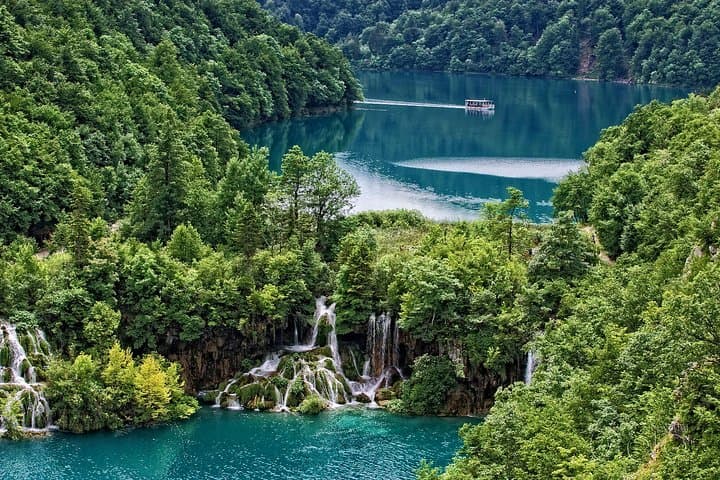
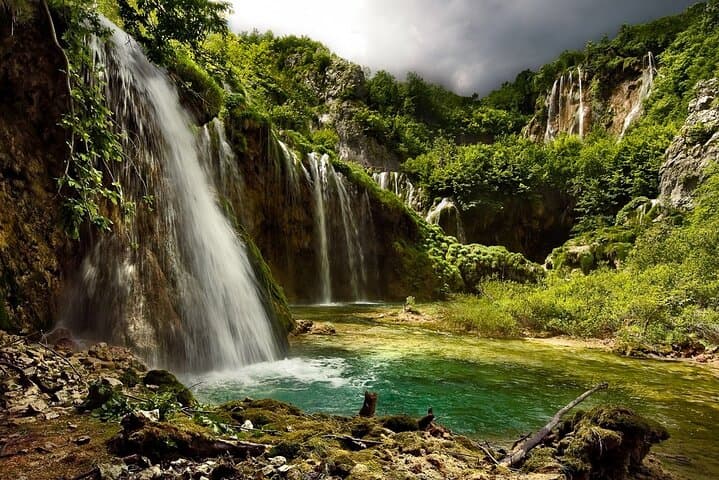
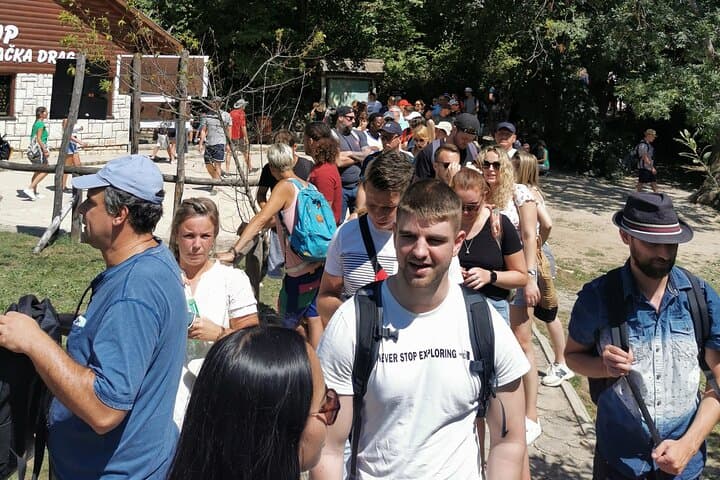
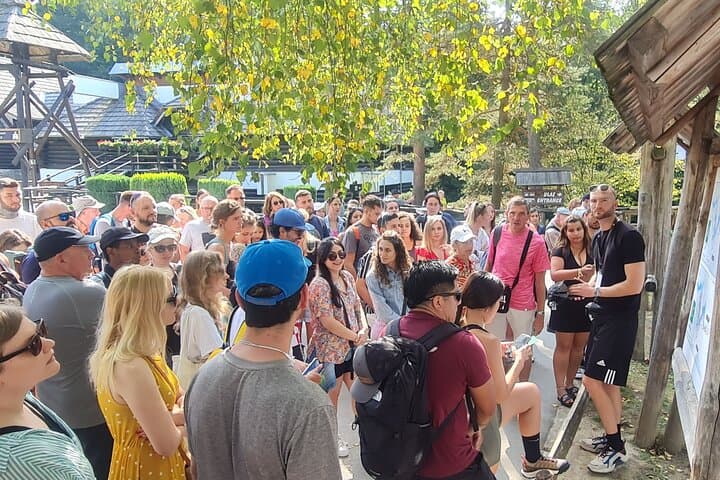
Early morning light slices through firs as a minivan pulls away from Zadar and the road unfurls toward karst plateaus and the green-blue thrum of Plitvice Lakes. Two hours later the park’s wooden boardwalks and plunging waterfalls replace asphalt; the guide hands out a reserved panoramic-boat ticket and the group steps into a landscape shaped by travertine and time.
Early morning light slices through firs as a minivan pulls away from Zadar and the road unfurls toward karst plateaus and the green-blue thrum of Plitvice Lakes. Two hours later the park’s wooden boardwalks and plunging waterfalls replace asphalt; the guide hands out a reserved panoramic-boat ticket and the group steps into a landscape shaped by travertine and time.
Plitvice Lakes National Park was protected in 1949 and added to the UNESCO World Heritage list in 1979 for its travertine barrier system—calcium carbonate deposits that sculpt cascades and terraces. Geologically active, the park’s sinuous lakes and falls change with the seasons as water, plants, and minerals build the barriers that direct every stream.
Culturally, the park sits in Lika, a region of shepherding and stonework; small villages keep mountain traditions alive along the approach roads. Expect wooden boardwalks, stair sections, and electric boat crossings that shorten routes across the largest lakes. Typical group itineraries include roughly four hours on foot inside the park—ample time to cover the key viewpoints, the Great Waterfall, and a panoramic boat ride across Kozjak Lake.
Practical guidance: bring sturdy walking shoes, a rain layer, and cash for entrance fees (seasonal rates vary); follow marked paths and the guide’s schedule—the tour’s total duration from Zadar is about 10 hours. Peak summer draws crowds; to avoid the busiest stretches, choose a morning departure or travel shoulder seasons. Keep water and a compact snack on hand; the park’s trails reward steady pacing and careful attention to fragile travertine formations.