THE ADVENTURE COLLECTIVE® · Independent discovery and booking for outdoor travel

Combine a scenic coach transfer from Split to Zagreb with a guided exploration of Plitvice Lakes National Park. Spend four hours walking wooden boardwalks, riding an electric boat on Kozjak Lake, and seeing cascading travertine falls on a fully organized day trip.
Combine a scenic coach transfer from Split to Zagreb with a guided exploration of Plitvice Lakes National Park. Spend four hours walking wooden boardwalks, riding an electric boat on Kozjak Lake, and seeing cascading travertine falls on a fully organized day trip.
Morning light filters through beech and fir as a convoy of travelers leaves Split and the highway gives way to the rolling karst of Lika. By midmorning the coach pulls into Plitvice Lakes National Park and the sound of water takes over: a network of falls and pools that seems to breathe, pushing visitors along wooden walkways and over limestone steps.
Verified experiences and guided adventures in the surrounding area.
Operated by Šugaman Tours · Plitvička Jezera, Lika-Senj County
Morning light filters through beech and fir as a convoy of travelers leaves Split and the highway gives way to the rolling karst of Lika. By midmorning the coach pulls into Plitvice Lakes National Park and the sound of water takes over: a network of falls and pools that seems to breathe, pushing visitors along wooden walkways and over limestone steps.
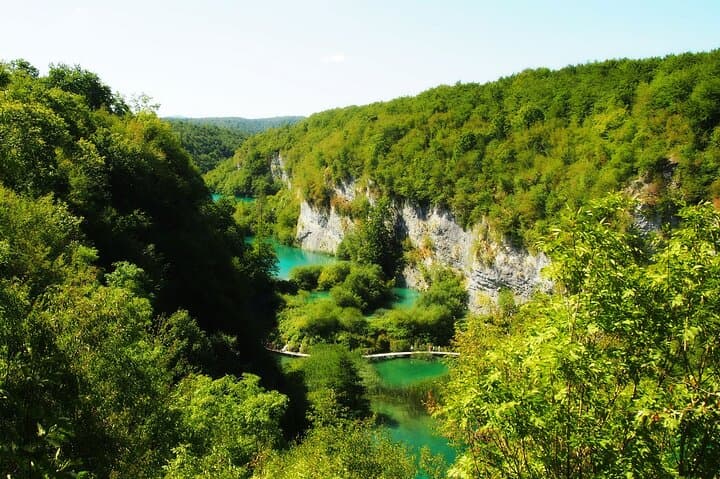
Plitvice’s sixteen connected lakes were formed over millennia as travertine dams built by living mosses and mineral-rich streams — a geological process that still stitches rock and water together. The park, protected as a UNESCO World Heritage Site since 1979, sits in a landscape shaped by glaciation and human mountain culture: shepherding, seasonal huts, and villages like nearby Plitvička Jezera that long favored low-impact use of the land.
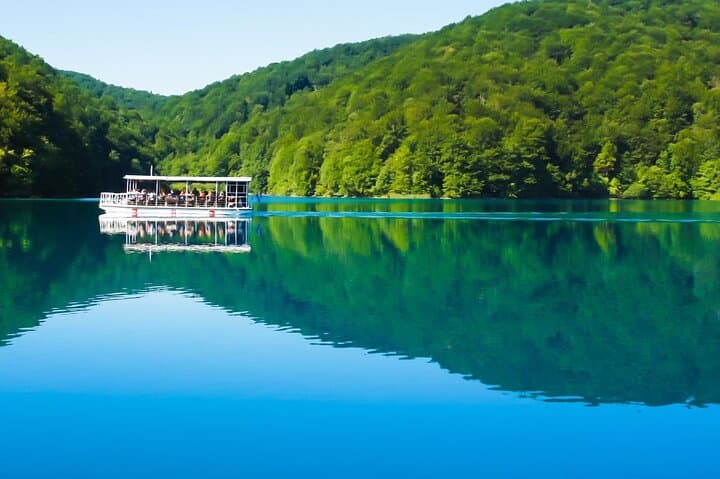
Guides lead groups along the most photogenic routes, explaining how tufa deposition sculpts cascades and why the water shifts color from jade to cobalt. The panoramic train and an electric boat on Lake Kozjak speed up movement without disturbing the park’s fragile systems; traffic is managed, and boardwalks keep foot traffic off regenerating travertine.
Practicalities matter: this is a long day—about four hours inside the park surrounded by varied terrain, with several hours of road transit between Split and Zagreb. Wear grippy shoes for wet boards, bring layered outerwear for changing weather, and carry water and snacks for the trails. Timing your visit for early entry or late afternoon reduces crowds and lets the waterfalls own the soundscape. Follow park rules, stay on marked trails, and leave no trace—the park’s subtle geology and wildlife rely on it.
moderate.
Approximately 12 hours (4 hours in park, ~7 hours travel, 1 hour lunch).
Moderate fitness—able to walk uneven boardwalks and trails for several hours and handle a full travel day on a coach.
Yes — the tour price includes Plitvice Lakes National Park entry, the Kozjak electric boat ride, and the park’s panoramic train.
Expect about four hours of walking on mostly flat but sometimes uneven boardwalks and short stair sections; paths are well maintained but not suitable for serious mobility limitations.
No — swimming is prohibited to protect the travertine formations and water quality.
A one-hour lunch stop is included during the transfer; typical tours do not include lunch cost, so bring cash or a packed meal if you prefer specific options.
Plitvice was designated a national park in 1949 and inscribed on the UNESCO World Heritage List in 1979; its landscapes reflect long-term interactions between karst geology and forested ecosystems.
High visitation can stress sensitive travertine and habitats—stick to boardwalks, carry out waste, and follow park regulations to minimize impact.
Šugaman Tours operates guided outdoor trips and adventures with an emphasis on safety, stewardship, and memorable experiences.
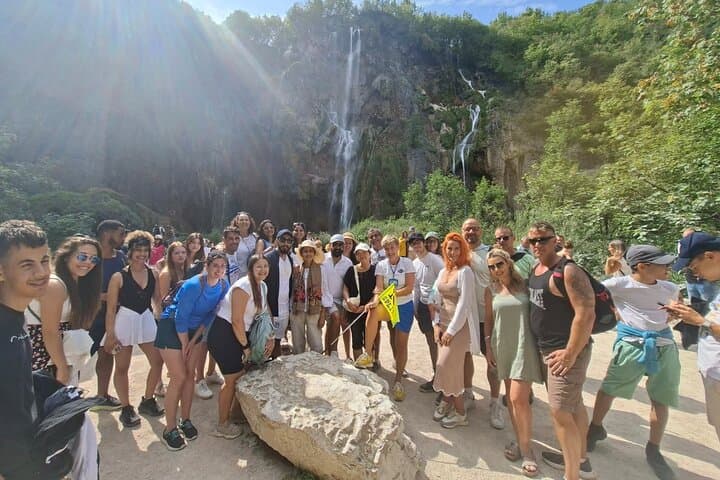
Morning light filters through beech and fir as a convoy of travelers leaves Split and the highway gives way to the rolling karst of Lika. By midmorning the coach pulls into Plitvice Lakes National Park and the sound of water takes over: a network of falls and pools that seems to breathe, pushing visitors along wooden walkways and over limestone steps.
Morning light filters through beech and fir as a convoy of travelers leaves Split and the highway gives way to the rolling karst of Lika. By midmorning the coach pulls into Plitvice Lakes National Park and the sound of water takes over: a network of falls and pools that seems to breathe, pushing visitors along wooden walkways and over limestone steps.
Plitvice’s sixteen connected lakes were formed over millennia as travertine dams built by living mosses and mineral-rich streams — a geological process that still stitches rock and water together. The park, protected as a UNESCO World Heritage Site since 1979, sits in a landscape shaped by glaciation and human mountain culture: shepherding, seasonal huts, and villages like nearby Plitvička Jezera that long favored low-impact use of the land.
Guides lead groups along the most photogenic routes, explaining how tufa deposition sculpts cascades and why the water shifts color from jade to cobalt. The panoramic train and an electric boat on Lake Kozjak speed up movement without disturbing the park’s fragile systems; traffic is managed, and boardwalks keep foot traffic off regenerating travertine.
Practicalities matter: this is a long day—about four hours inside the park surrounded by varied terrain, with several hours of road transit between Split and Zagreb. Wear grippy shoes for wet boards, bring layered outerwear for changing weather, and carry water and snacks for the trails. Timing your visit for early entry or late afternoon reduces crowds and lets the waterfalls own the soundscape. Follow park rules, stay on marked trails, and leave no trace—the park’s subtle geology and wildlife rely on it.