THE ADVENTURE COLLECTIVE® · Independent discovery and booking for outdoor travel

A private day trip from Split delivers the core of Plitvice Lakes’ spectacle—terraced turquoise basins, boardwalk routes and a Kozjak boat crossing—without the hassle of transit. Read on for what to expect and how to plan a seamless day in the park.
A private day trip from Split delivers the core of Plitvice Lakes’ spectacle—terraced turquoise basins, boardwalk routes and a Kozjak boat crossing—without the hassle of transit. Read on for what to expect and how to plan a seamless day in the park.
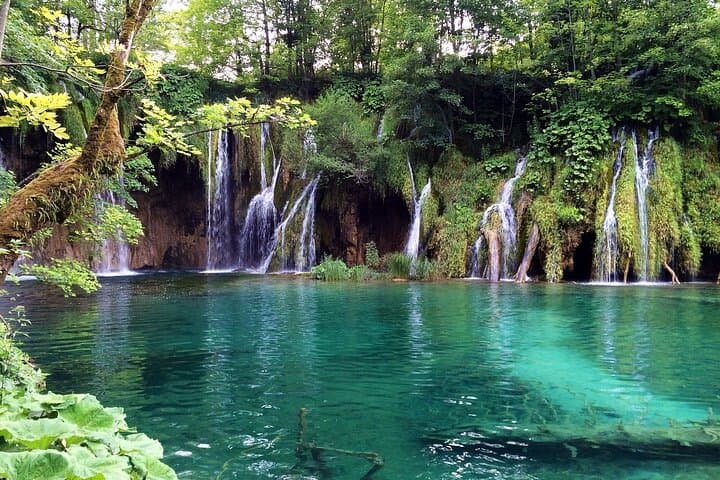
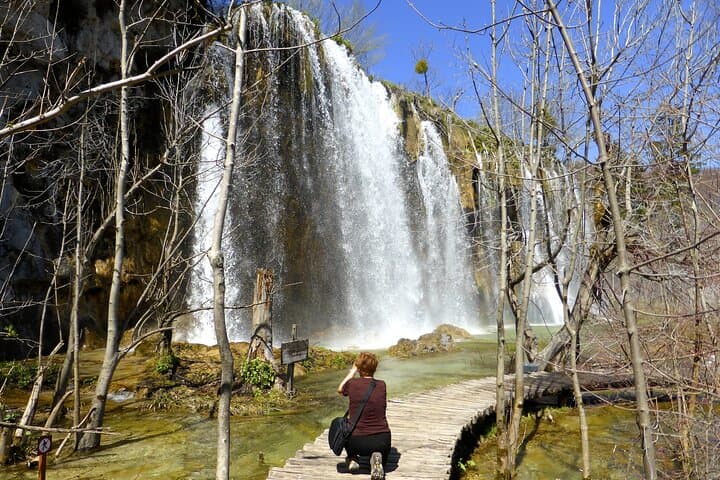
A private car hums south out of Split before dawn and the coastline loosens its hold on the landscape. Fields and karst outcrops roll by, then the road angles into the dense beech and fir that preside over Plitvice Lakes National Park. By midmorning the trailhead opens to a stair-step of turquoise basins and waterfalls; wood boardwalks thread silently over clear water that seems to change colour as you move.
Verified experiences and guided adventures in the surrounding area.
Operated by Europe Journey - Private Sightseeing Transfers and Day Tours · Plitvička Jezera, Lika-Senj County
A private car hums south out of Split before dawn and the coastline loosens its hold on the landscape. Fields and karst outcrops roll by, then the road angles into the dense beech and fir that preside over Plitvice Lakes National Park. By midmorning the trailhead opens to a stair-step of turquoise basins and waterfalls; wood boardwalks thread silently over clear water that seems to change colour as you move.
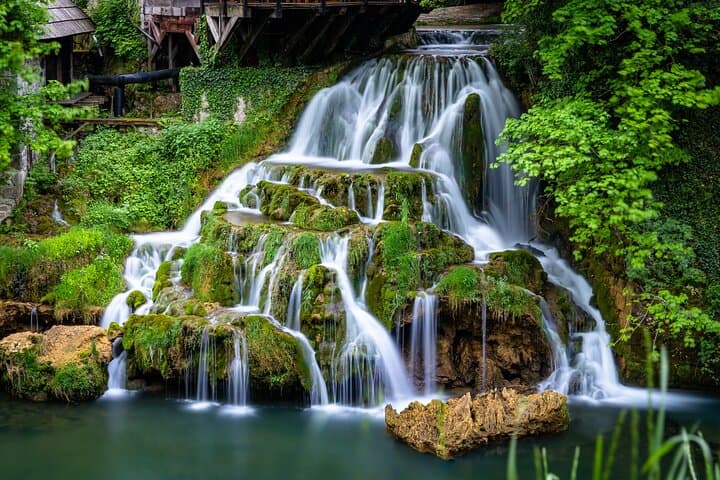
Plitvice is a geological workshop: tufa (travertine) dams built by mineral-rich water and living moss have sculpted 16 terraced lakes, more than 90 cascades and limestone caves over millennia. The park was protected in 1949 and inscribed as a UNESCO World Heritage Site in 1979; its cultural footprint includes film crews and Croatian rural communities whose traditions still shape local hospitality.
Visitors choose from eight marked routes and a short ferry across Lake Kozjak; most full-day visitors cover a 4–6 hour walking loop that includes viewpoints and the park’s largest waterfall, Veliki Slap. Wildlife—shy deer, otter and the region’s occasional brown bear—lives beyond the boardwalks, and the forest often feels like a companion that shifts tone with the light.
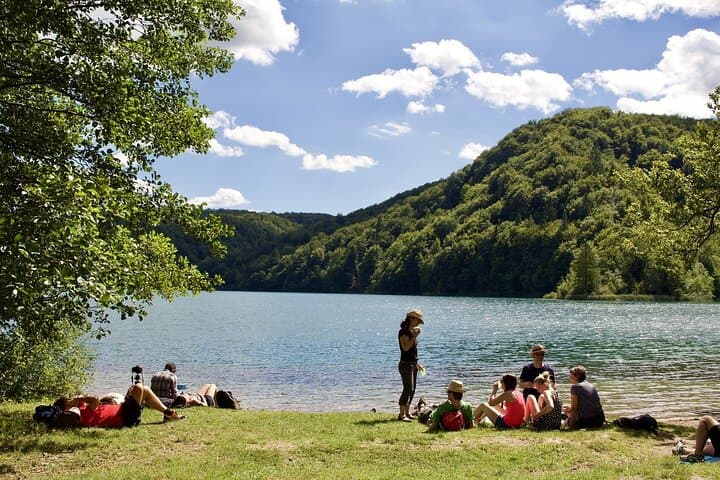
Practical guidance: reserve park entry online (admission often sells out), schedule an early pickup from Split to avoid peak crowds, and plan for roughly 2.5–3 hours each way by car. Expect uneven wooden walkways, variable weather—bring waterproof layers—and carry water and snacks. Photography stops are frequent; allow time to linger at the main lookout and on the Kozjak boat crossing.
moderate.
10–12 hours.
Able to walk on uneven boardwalks and stairs for 4–6 hours; comfortable standing and moderate uphill/downhill sections.
No—entrance fees are not included; buy timed-entry tickets directly from the park website or authorized vendors before your visit.
Expect approximately 2.5–3 hours one way depending on traffic and stops; a full-day private transfer typically totals 10–12 hours.
Yes—short electric boat crossings on Lake Kozjak and park shuttle services are included with the park ticket and route system.
Some boardwalk sections and boat crossings are stroller-friendly, but many trails have steps and uneven surfaces; check specific entrance access and consider shorter routes.
Plitvice was declared a national park in 1949 and became a UNESCO World Heritage Site in 1979, recognized for its exceptional tufa-forming processes and scenic integrity.
High visitor numbers strain fragile travertine formations—stay on marked boardwalks, avoid touching mineral deposits, and carry out any trash to protect the park’s water-driven ecology.
Europe Journey - Private Sightseeing Transfers and Day Tours operates guided outdoor trips and adventures with an emphasis on safety, stewardship, and memorable experiences.
A private car hums south out of Split before dawn and the coastline loosens its hold on the landscape. Fields and karst outcrops roll by, then the road angles into the dense beech and fir that preside over Plitvice Lakes National Park. By midmorning the trailhead opens to a stair-step of turquoise basins and waterfalls; wood boardwalks thread silently over clear water that seems to change colour as you move.
A private car hums south out of Split before dawn and the coastline loosens its hold on the landscape. Fields and karst outcrops roll by, then the road angles into the dense beech and fir that preside over Plitvice Lakes National Park. By midmorning the trailhead opens to a stair-step of turquoise basins and waterfalls; wood boardwalks thread silently over clear water that seems to change colour as you move.
Plitvice is a geological workshop: tufa (travertine) dams built by mineral-rich water and living moss have sculpted 16 terraced lakes, more than 90 cascades and limestone caves over millennia. The park was protected in 1949 and inscribed as a UNESCO World Heritage Site in 1979; its cultural footprint includes film crews and Croatian rural communities whose traditions still shape local hospitality.
Visitors choose from eight marked routes and a short ferry across Lake Kozjak; most full-day visitors cover a 4–6 hour walking loop that includes viewpoints and the park’s largest waterfall, Veliki Slap. Wildlife—shy deer, otter and the region’s occasional brown bear—lives beyond the boardwalks, and the forest often feels like a companion that shifts tone with the light.
Practical guidance: reserve park entry online (admission often sells out), schedule an early pickup from Split to avoid peak crowds, and plan for roughly 2.5–3 hours each way by car. Expect uneven wooden walkways, variable weather—bring waterproof layers—and carry water and snacks. Photography stops are frequent; allow time to linger at the main lookout and on the Kozjak boat crossing.