THE ADVENTURE COLLECTIVE® · Independent discovery and booking for outdoor travel

Experience Plitvice’s turquoise lakes and tumbling falls on a private transfer from Zagreb to Split. This full‑day route pairs efficient transport with ample time on the park’s boardwalks—ideal if you want a concentrated, scenic visit without backtracking.
Experience Plitvice’s turquoise lakes and tumbling falls on a private transfer from Zagreb to Split. This full‑day route pairs efficient transport with ample time on the park’s boardwalks—ideal if you want a concentrated, scenic visit without backtracking.
A morning drive from Zagreb eases you into a landscape where water pulls the scene into motion: 16 terraced lakes threaded by 18 km of wooden boardwalks, waterfalls that chatter and mist that cools the face. You step off an air‑conditioned minivan into forest, the path guiding you close to curtains of water and shallow basins the color of struck malachite.
Verified experiences and guided adventures in the surrounding area.
Operated by Private Tours Travel Agency · Plitvička Jezera, Lika-Senj County
A morning drive from Zagreb eases you into a landscape where water pulls the scene into motion: 16 terraced lakes threaded by 18 km of wooden boardwalks, waterfalls that chatter and mist that cools the face. You step off an air‑conditioned minivan into forest, the path guiding you close to curtains of water and shallow basins the color of struck malachite.
Plitvice Lakes National Park was designated a UNESCO World Heritage Site in 1979 for its outstanding karst geology and dynamic tufa (travertine) formations. Mineral‑rich rivers deposit calcium carbonate, building barriers and small dams that reroute channels seasonally. The region’s culture has long balanced forestry, pastoral life, and small villages like nearby Rastoke—where mill streams carve through stone—offering a human scale to the wild scenery.
Practicalities shape the day: the private transfer runs 10–12 hours and typically includes hotel pickup in Zagreb and drop‑off in Split. New park rules require visitors be accompanied by licensed guides for certain lake zones, so check inclusion or arrange a park guide on arrival. Plan for firm, waterproof shoes for damp boardwalks, layers for sudden spray and shade, and 6–8 km of walking on uneven planks and steps. Peak light for photos is early morning and late afternoon; summer brings crowds and heat, spring and fall offer quieter trails and higher flows.
Respect marked paths—tufa is fragile—and bring a refillable bottle: potable water points are limited. With a private transfer you trade convenience for a long but efficient day, leaving you time to arrive in Split as the Adriatic light softens.
moderate.
10–12 hours.
Good for travelers comfortable with 6–8 km of walking on uneven, sometimes wet boardwalks; basic stamina for a long day is recommended.
Recent regulations require guided access for certain lake zones—confirm whether your private transfer includes a licensed park guide or book one at the visitor center.
Typical itineraries allocate about 3–4 hours inside the park, enough for key routes and viewpoints but not the full circuit without hurrying.
Selected hotel pickup and drop‑off in Zagreb are usually provided; verify your pickup point when booking and confirm the Split drop‑off details.
Basic facilities and cafes exist near main entrances and viewpoints, but options are limited on trails—carry snacks and use facilities before longer walks.
Plitvice’s lakes formed over millennia through tufa deposition in a karst landscape; the park was one of Croatia’s first UNESCO sites, inscribed in 1979.
Strict path rules and guided access protect delicate tufa formations and aquatic habitats—stay on marked routes and avoid touching mineral deposits.
Private Tours Travel Agency operates guided outdoor trips and adventures with an emphasis on safety, stewardship, and memorable experiences.
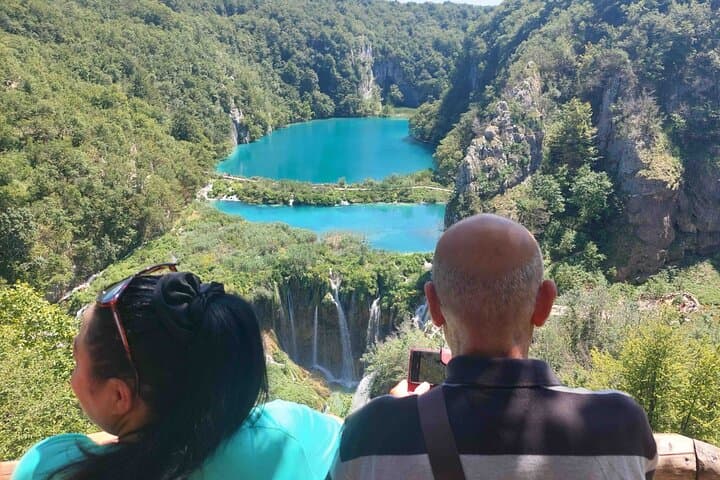
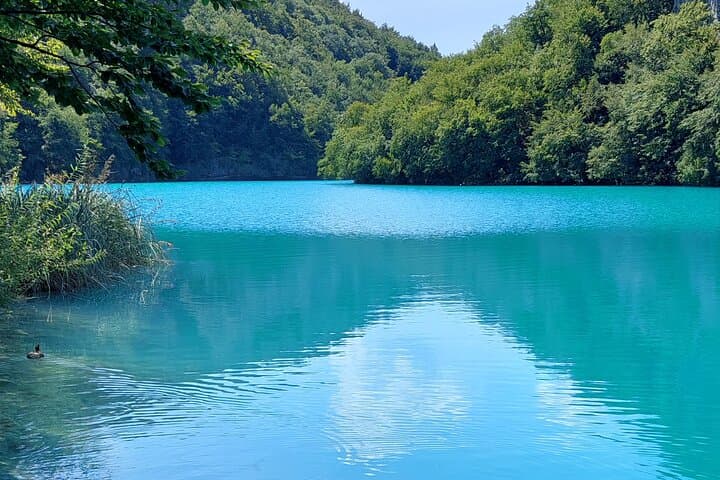


A morning drive from Zagreb eases you into a landscape where water pulls the scene into motion: 16 terraced lakes threaded by 18 km of wooden boardwalks, waterfalls that chatter and mist that cools the face. You step off an air‑conditioned minivan into forest, the path guiding you close to curtains of water and shallow basins the color of struck malachite.
A morning drive from Zagreb eases you into a landscape where water pulls the scene into motion: 16 terraced lakes threaded by 18 km of wooden boardwalks, waterfalls that chatter and mist that cools the face. You step off an air‑conditioned minivan into forest, the path guiding you close to curtains of water and shallow basins the color of struck malachite.
Plitvice Lakes National Park was designated a UNESCO World Heritage Site in 1979 for its outstanding karst geology and dynamic tufa (travertine) formations. Mineral‑rich rivers deposit calcium carbonate, building barriers and small dams that reroute channels seasonally. The region’s culture has long balanced forestry, pastoral life, and small villages like nearby Rastoke—where mill streams carve through stone—offering a human scale to the wild scenery.
Practicalities shape the day: the private transfer runs 10–12 hours and typically includes hotel pickup in Zagreb and drop‑off in Split. New park rules require visitors be accompanied by licensed guides for certain lake zones, so check inclusion or arrange a park guide on arrival. Plan for firm, waterproof shoes for damp boardwalks, layers for sudden spray and shade, and 6–8 km of walking on uneven planks and steps. Peak light for photos is early morning and late afternoon; summer brings crowds and heat, spring and fall offer quieter trails and higher flows.
Respect marked paths—tufa is fragile—and bring a refillable bottle: potable water points are limited. With a private transfer you trade convenience for a long but efficient day, leaving you time to arrive in Split as the Adriatic light softens.