THE ADVENTURE COLLECTIVE® · Independent discovery and booking for outdoor travel

Take a day from Split or Trogir to walk Plitvice Lakes National Park’s boardwalks and waterfalls. This economy group tour gives you four hours inside the park — enough time to experience the lower and upper lakes, with practical tips for timing, tickets, and terrain.
Take a day from Split or Trogir to walk Plitvice Lakes National Park’s boardwalks and waterfalls. This economy group tour gives you four hours inside the park — enough time to experience the lower and upper lakes, with practical tips for timing, tickets, and terrain.
You step off the coach into a cool, mineral-scented air and the park seems to rearrange itself around you: waterfalls negotiating limestone steps, a series of lakes pulling light into green and turquoise. On this economy group tour from Split or Trogir you get four hours inside Plitvice Lakes National Park — enough time to let the water lead you from the lowermost cascades up toward the tranquil upper basins.
Verified experiences and guided adventures in the surrounding area.
Operated by Gray Line Croatia · Plitvička Jezera, Lika-Senj County
You step off the coach into a cool, mineral-scented air and the park seems to rearrange itself around you: waterfalls negotiating limestone steps, a series of lakes pulling light into green and turquoise. On this economy group tour from Split or Trogir you get four hours inside Plitvice Lakes National Park — enough time to let the water lead you from the lowermost cascades up toward the tranquil upper basins.
Plitvice became Croatia’s first national park in 1949 and earned UNESCO World Heritage status in 1979 for its unique karst geology and the tufa (travertine) dams that the lakes continually build. Centuries of water and vegetation have sculpted terraces, sinkholes and plunge pools; the sound of falling water is the park’s steady, directing voice. Local culture around Lika-Senj County is rural and mountain-minded — expect simple village fare and hospitality in nearby towns.
Plan your visit practically: wear grippy walking shoes, bring cash for the entrance fee (park ticket rates change seasonally), and aim for morning departures from Split to avoid afternoon bus traffic. Trails range from flat wooden boardwalks around the lower lakes to sections of stepped stone walking toward the upper lakes — the terrain is mostly easy to moderate but can be slippery when wet.
Respect the park: stay on marked routes, pack out trash, and keep distance from wildlife. If you want quiet water views, head to the Kozjak side or seek out lesser-used viewpoints beyond the main falls. With organized transport returning you to Split or Trogir, this one-day outing balances efficient logistics with the elemental experience of walking through moving water and light.
moderate.
10–12 hours (tour + transfers).
Reasonable walking fitness for four hours of mixed-level trails and boardwalks; not suitable for those with significant mobility issues.
No — entrance tickets to Plitvice are paid on arrival in cash; prices change by season and age category.
You receive approximately four hours of free time inside the park to walk selected routes and take the sightseeing boat.
Infants and small children can use strollers on some flat boardwalk sections, but parts of the route have steps and uneven surfaces.
Yes — the tour operates from both Split and Trogir departure points; confirm your pickup location at booking.
Plitvice was designated Croatia’s first national park in 1949 and was inscribed as a UNESCO World Heritage Site in 1979 for its travertine barriers and karst landscape.
Visitor numbers are managed through designated routes and entrance fees help fund maintenance; avoid stepping off boardwalks to protect fragile tufa formations.
Gray Line Croatia operates guided outdoor trips and adventures with an emphasis on safety, stewardship, and memorable experiences.

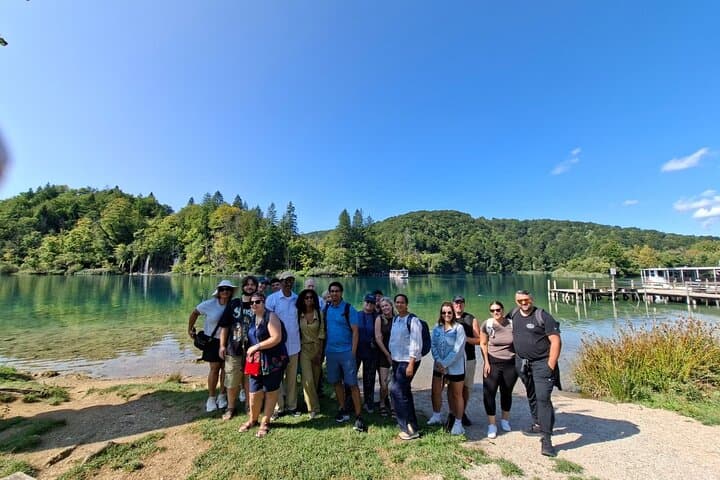


You step off the coach into a cool, mineral-scented air and the park seems to rearrange itself around you: waterfalls negotiating limestone steps, a series of lakes pulling light into green and turquoise. On this economy group tour from Split or Trogir you get four hours inside Plitvice Lakes National Park — enough time to let the water lead you from the lowermost cascades up toward the tranquil upper basins.
You step off the coach into a cool, mineral-scented air and the park seems to rearrange itself around you: waterfalls negotiating limestone steps, a series of lakes pulling light into green and turquoise. On this economy group tour from Split or Trogir you get four hours inside Plitvice Lakes National Park — enough time to let the water lead you from the lowermost cascades up toward the tranquil upper basins.
Plitvice became Croatia’s first national park in 1949 and earned UNESCO World Heritage status in 1979 for its unique karst geology and the tufa (travertine) dams that the lakes continually build. Centuries of water and vegetation have sculpted terraces, sinkholes and plunge pools; the sound of falling water is the park’s steady, directing voice. Local culture around Lika-Senj County is rural and mountain-minded — expect simple village fare and hospitality in nearby towns.
Plan your visit practically: wear grippy walking shoes, bring cash for the entrance fee (park ticket rates change seasonally), and aim for morning departures from Split to avoid afternoon bus traffic. Trails range from flat wooden boardwalks around the lower lakes to sections of stepped stone walking toward the upper lakes — the terrain is mostly easy to moderate but can be slippery when wet.
Respect the park: stay on marked routes, pack out trash, and keep distance from wildlife. If you want quiet water views, head to the Kozjak side or seek out lesser-used viewpoints beyond the main falls. With organized transport returning you to Split or Trogir, this one-day outing balances efficient logistics with the elemental experience of walking through moving water and light.