THE ADVENTURE COLLECTIVE® · Independent discovery and booking for outdoor travel

Set your easel where the Atlantic breathes and the light keeps time. This 3-hour, all-levels plein air workshop explores Portland’s lighthouses, rocky shores, and tidal marshes—with pro guidance, all gear provided, and just enough hiking to find the view.
Set your easel where the Atlantic breathes and the light keeps time. This 3-hour, all-levels plein air workshop explores Portland’s lighthouses, rocky shores, and tidal marshes—with pro guidance, all gear provided, and just enough hiking to find the view.
Morning fog lifts off Casco Bay like a curtain, revealing the hard lines of granite ledges and the clean white flash of a lighthouse. You shoulder a lightweight kit, follow a short footpath through dune grass, and the Atlantic greets you with a steady, salt-bright breath. The tide taps the rocks, urging you to choose a vantage before it claims the low ledges. Your guide sets out watercolor palettes and folding stools; the wind edits your brushstrokes, the light keeps time. This is plein air painting in Portland, where the coast doesn’t pose—it moves.
Verified experiences and guided adventures in the surrounding area.
Operated by Local Color Tours LLC · Portland, Maine
Morning fog lifts off Casco Bay like a curtain, revealing the hard lines of granite ledges and the clean white flash of a lighthouse. You shoulder a lightweight kit, follow a short footpath through dune grass, and the Atlantic greets you with a steady, salt-bright breath. The tide taps the rocks, urging you to choose a vantage before it claims the low ledges. Your guide sets out watercolor palettes and folding stools; the wind edits your brushstrokes, the light keeps time. This is plein air painting in Portland, where the coast doesn’t pose—it moves.
The workshop embraces the traditions that made this shoreline famous. Winslow Homer worked just down the road at Prouts Neck, chasing storms and late-afternoon fire across the same slate-gray sea. Portland Head Light—commissioned in 1791 and still one of New England’s most photographed beacons—punctuates a coast defined by ancient metamorphic rock and glacial scouring. Marshes like Scarborough breathe with a big Gulf of Maine tide (often 8–10 feet), so channels fill and empty while you paint, reshaping color and composition by the hour. Sea grass leans, gulls scold, and lobster boats trace working lines through the harbor, reminders that this is a living coast.
Expect a 3-hour session at a scenic spot within a 15-minute drive of downtown—Fort Williams Park’s cliff walk, Spring Point’s granite breakwater, Two Lights’ wave-cut platforms, or the boardwalk edges of the marsh. Locations are selected for light, wind, and access on the day. There’s light hiking over uneven terrain, typically 0.5–1 mile total from parking, with brief scrambles on rock if conditions allow. All painting gear is provided, so you can focus on seeing: big shapes, clean values, and the shifting temperature of coastal light. Beginners get a simple roadmap—horizon, major masses, and a limited palette—while experienced painters can push composition and edge control.
Practicalities matter on this coast. Wear sturdy shoes with grip; wet rock can be slick and marsh trails muddy after rain. A wind layer and sun protection are smart in any season, and hydration is essential, even on cool days. Mornings offer softer color and less crowding; late afternoons bring longer shadows and warm reflections off the water. Weather calls are made conservatively—fog can be a gift to painters, but sustained rain or high winds may trigger a reschedule. Either way, the coast will keep you honest: it moves, you respond, and a small watercolor becomes a clear memory of where land, light, and tide met you that day.
moderate.
3 hours.
Comfortable walking 0.5–1 mile on uneven terrain and standing/sitting outdoors for up to 3 hours.
No. The workshop is designed for beginners through advanced painters, with simple frameworks for newcomers and deeper guidance for experienced artists.
Yes. All plein air supplies (watercolor, paper, boards, brushes) and portable seating are included.
Locations are chosen day-of for weather and light, typically within 15 minutes of downtown Portland—such as Fort Williams/Portland Head Light, Spring Point, Two Lights, or Scarborough Marsh.
Plan on 0.5–1 mile total on uneven paths, grass, and occasionally rock ledges. The guide keeps routes short and accessible when conditions require.
Light fog or drizzle can be workable, but sustained rain, high winds, or unsafe footing prompt a reschedule or refund per the provider’s policy.
Transportation is not included. You’ll drive or rideshare to the selected site; most locations have public parking, sometimes with fees in peak season.
Winslow Homer created seascapes at nearby Prouts Neck in the late 1800s, helping define American coastal painting. Portland Head Light, first lit in 1791, is Maine’s oldest lighthouse and a favorite subject for artists.
Stick to established paths to protect fragile lichens and dune grass; avoid trampling marsh edges during low tide. Pack out rinse water and paper to keep the coast clean.
Local Color Tours LLC operates guided outdoor trips and adventures with an emphasis on safety, stewardship, and memorable experiences.
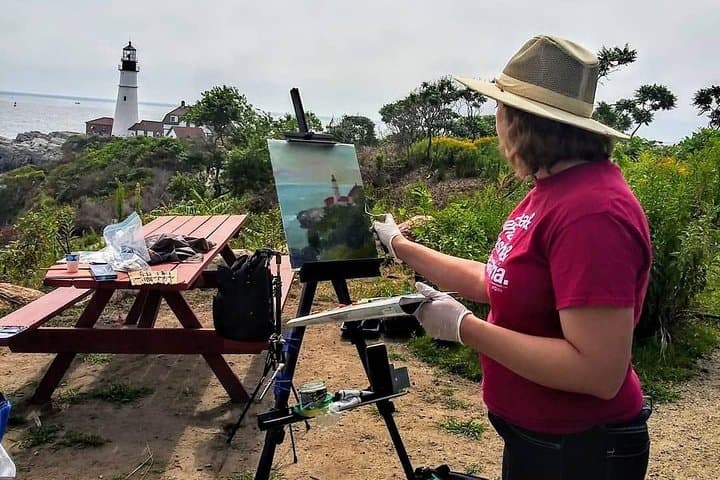
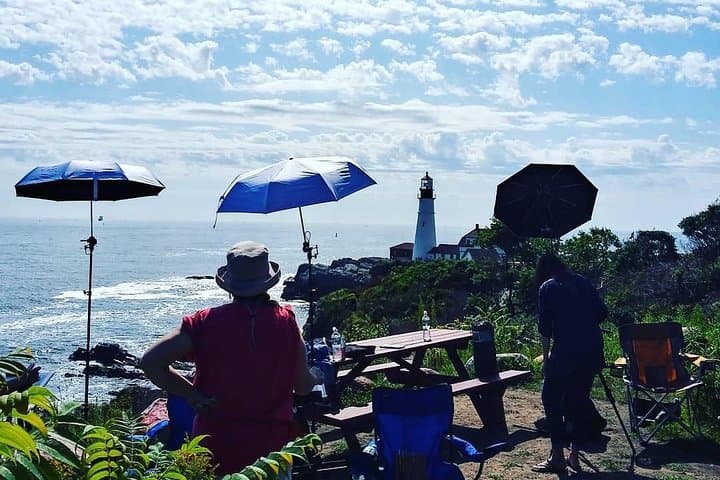
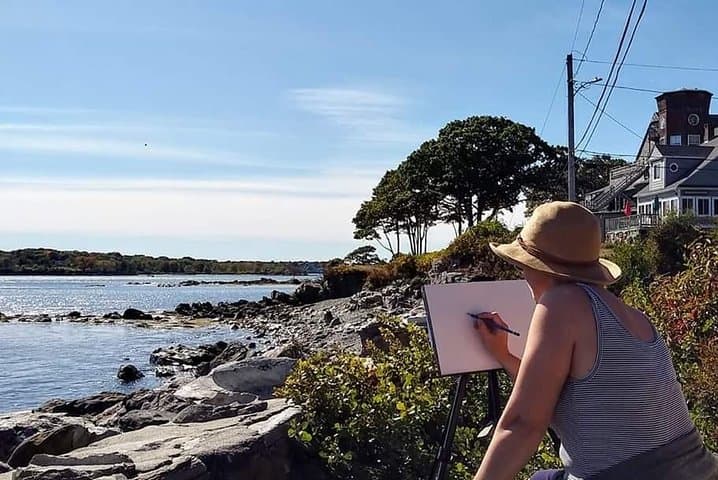
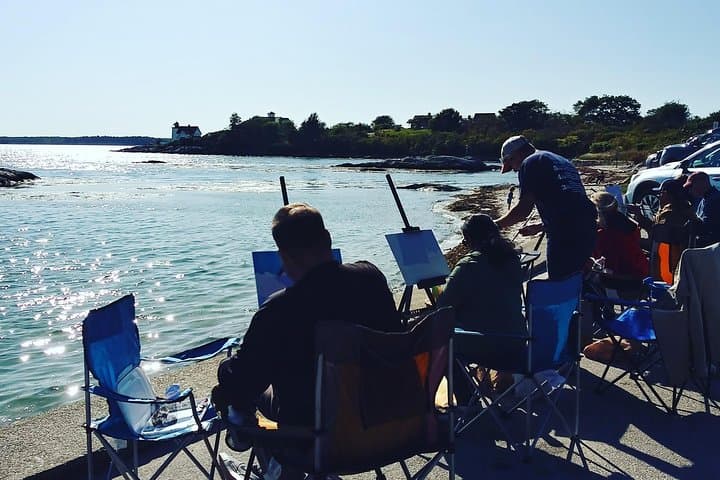
Morning fog lifts off Casco Bay like a curtain, revealing the hard lines of granite ledges and the clean white flash of a lighthouse. You shoulder a lightweight kit, follow a short footpath through dune grass, and the Atlantic greets you with a steady, salt-bright breath. The tide taps the rocks, urging you to choose a vantage before it claims the low ledges. Your guide sets out watercolor palettes and folding stools; the wind edits your brushstrokes, the light keeps time. This is plein air painting in Portland, where the coast doesn’t pose—it moves.
Morning fog lifts off Casco Bay like a curtain, revealing the hard lines of granite ledges and the clean white flash of a lighthouse. You shoulder a lightweight kit, follow a short footpath through dune grass, and the Atlantic greets you with a steady, salt-bright breath. The tide taps the rocks, urging you to choose a vantage before it claims the low ledges. Your guide sets out watercolor palettes and folding stools; the wind edits your brushstrokes, the light keeps time. This is plein air painting in Portland, where the coast doesn’t pose—it moves.
The workshop embraces the traditions that made this shoreline famous. Winslow Homer worked just down the road at Prouts Neck, chasing storms and late-afternoon fire across the same slate-gray sea. Portland Head Light—commissioned in 1791 and still one of New England’s most photographed beacons—punctuates a coast defined by ancient metamorphic rock and glacial scouring. Marshes like Scarborough breathe with a big Gulf of Maine tide (often 8–10 feet), so channels fill and empty while you paint, reshaping color and composition by the hour. Sea grass leans, gulls scold, and lobster boats trace working lines through the harbor, reminders that this is a living coast.
Expect a 3-hour session at a scenic spot within a 15-minute drive of downtown—Fort Williams Park’s cliff walk, Spring Point’s granite breakwater, Two Lights’ wave-cut platforms, or the boardwalk edges of the marsh. Locations are selected for light, wind, and access on the day. There’s light hiking over uneven terrain, typically 0.5–1 mile total from parking, with brief scrambles on rock if conditions allow. All painting gear is provided, so you can focus on seeing: big shapes, clean values, and the shifting temperature of coastal light. Beginners get a simple roadmap—horizon, major masses, and a limited palette—while experienced painters can push composition and edge control.
Practicalities matter on this coast. Wear sturdy shoes with grip; wet rock can be slick and marsh trails muddy after rain. A wind layer and sun protection are smart in any season, and hydration is essential, even on cool days. Mornings offer softer color and less crowding; late afternoons bring longer shadows and warm reflections off the water. Weather calls are made conservatively—fog can be a gift to painters, but sustained rain or high winds may trigger a reschedule. Either way, the coast will keep you honest: it moves, you respond, and a small watercolor becomes a clear memory of where land, light, and tide met you that day.