THE ADVENTURE COLLECTIVE® · Independent discovery and booking for outdoor travel

Watch black sea turtles and occasional leatherbacks haul ashore at Playa Las Minas on a guided night tour. Expect quiet beaches, infrared light viewing, a short sandy hike, and strict no-flash rules to protect nesting turtles.
Watch black sea turtles and occasional leatherbacks haul ashore at Playa Las Minas on a guided night tour. Expect quiet beaches, infrared light viewing, a short sandy hike, and strict no-flash rules to protect nesting turtles.
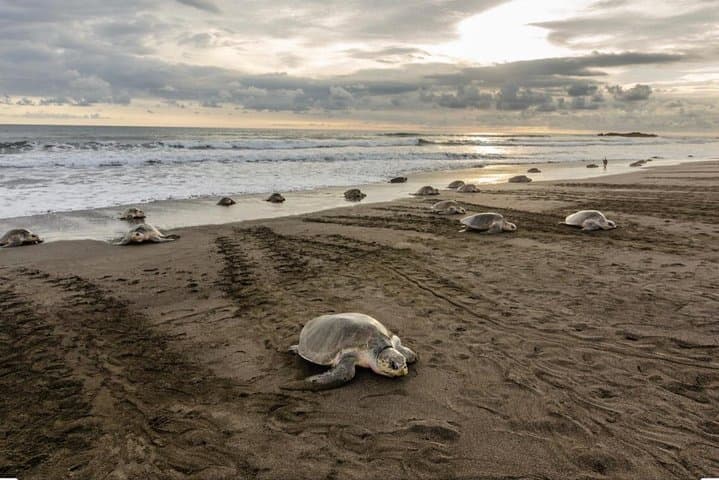
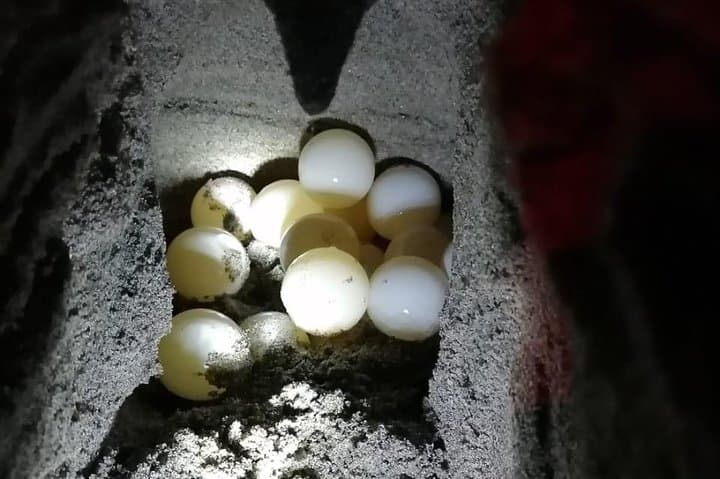
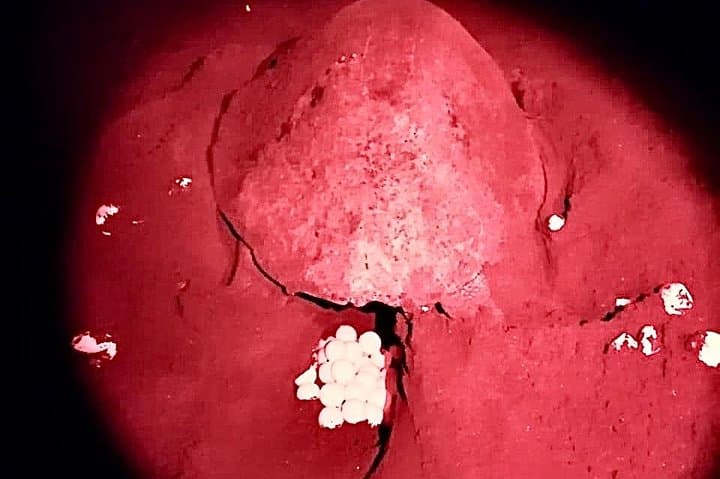
The night here moves slow and deliberate: surf hisses against the shore, stars hang low, and a guide’s infrared beam sketches a dark dome on the sand. On Playa Las Minas, turtles arrive after dusk, hauling their heavy bodies from the surf to dig and deposit eggs in quiet, purposeful motions that command patience more than speed.
Verified experiences and guided adventures in the surrounding area.
Operated by Side by Side ATV Tours & WILD LIFE · Tamarindo, Guanacaste
The night here moves slow and deliberate: surf hisses against the shore, stars hang low, and a guide’s infrared beam sketches a dark dome on the sand. On Playa Las Minas, turtles arrive after dusk, hauling their heavy bodies from the surf to dig and deposit eggs in quiet, purposeful motions that command patience more than speed.
Playa Las Minas sits on Guanacaste’s Pacific coast, a stretch shaped by volcanic uplift and coastal currents that create broad nesting beaches. Local fishing communities have observed these arrivals for generations; in recent decades conservation patrols and volunteer programs have worked to protect nests from poachers and light pollution. The main species visitors report are the darker-morph Pacific green (often called “black” turtles) and, on rarer nights, leatherback turtles — a deep-sea giant that still surprises even veteran guides.
Expect a 4-hour evening excursion with hotel pickup around sunset. Guides use infrared lights so you can watch without disturbing the animals; flash photos are prohibited. You’ll likely sit on cool sand and may need to hike a short distance along the beach to reach nesting zones. Nights can be muddy or breezy — bring layered clothing and insect repellent. Follow your guide’s instructions: keep distance, stay low, and move quietly to avoid altering the turtles’ behavior.
This is less a sprint than a lesson in stillness; the reward is witnessing a primeval ritual under open sky and supporting local conservation that keeps these beaches dark, quiet, and safe.
moderate.
4 hours.
Moderate — you should be able to walk across soft sand for short distances and sit on the beach for extended periods.
Turtle arrivals are most frequent from September/October through April/May; exact timing varies by year and species.
No — touching or interfering with turtles and nests is prohibited; guides will explain safe viewing distances and behavior protocols.
Many families join these tours, but the activity requires quiet behavior and the ability to sit in the dark; check age restrictions with the operator.
Operators often offer a repeat visit or refund policy in case no nesting occurs — confirm the provider’s guarantee when booking.
Local coastal communities historically relied on fishing; conservation efforts dating to the late 20th century introduced patrols and nest protection programs that now support responsible tourism.
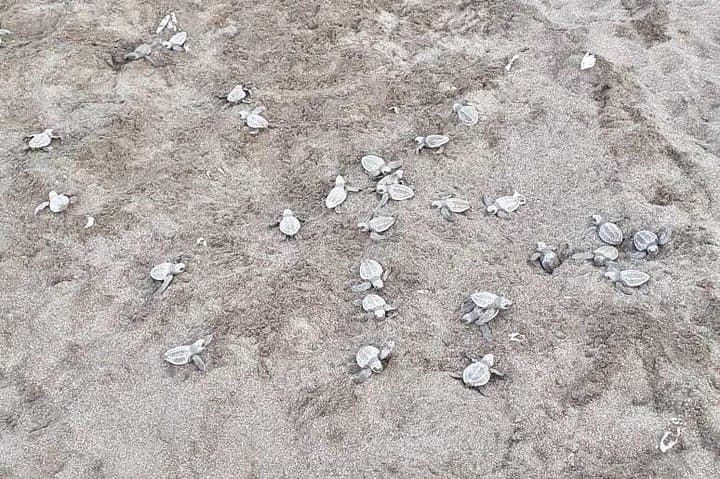
Tours follow strict no-flash policies, limit group sizes, and coordinate with local conservation groups to minimize disturbance and protect hatchlings.
Side by Side ATV Tours & WILD LIFE operates guided outdoor trips and adventures with an emphasis on safety, stewardship, and memorable experiences.
The night here moves slow and deliberate: surf hisses against the shore, stars hang low, and a guide’s infrared beam sketches a dark dome on the sand. On Playa Las Minas, turtles arrive after dusk, hauling their heavy bodies from the surf to dig and deposit eggs in quiet, purposeful motions that command patience more than speed.
The night here moves slow and deliberate: surf hisses against the shore, stars hang low, and a guide’s infrared beam sketches a dark dome on the sand. On Playa Las Minas, turtles arrive after dusk, hauling their heavy bodies from the surf to dig and deposit eggs in quiet, purposeful motions that command patience more than speed.
Playa Las Minas sits on Guanacaste’s Pacific coast, a stretch shaped by volcanic uplift and coastal currents that create broad nesting beaches. Local fishing communities have observed these arrivals for generations; in recent decades conservation patrols and volunteer programs have worked to protect nests from poachers and light pollution. The main species visitors report are the darker-morph Pacific green (often called “black” turtles) and, on rarer nights, leatherback turtles — a deep-sea giant that still surprises even veteran guides.
Expect a 4-hour evening excursion with hotel pickup around sunset. Guides use infrared lights so you can watch without disturbing the animals; flash photos are prohibited. You’ll likely sit on cool sand and may need to hike a short distance along the beach to reach nesting zones. Nights can be muddy or breezy — bring layered clothing and insect repellent. Follow your guide’s instructions: keep distance, stay low, and move quietly to avoid altering the turtles’ behavior.
This is less a sprint than a lesson in stillness; the reward is witnessing a primeval ritual under open sky and supporting local conservation that keeps these beaches dark, quiet, and safe.