THE ADVENTURE COLLECTIVE® · Independent discovery and booking for outdoor travel

Join a guided night walk at Playa Grande to observe sea turtles returning to nest in Las Baulas National Marine Park. This three-hour coastal experience blends conservation-focused education with low-light beach observation—plan for sand, silence, and close-up natural history.
Join a guided night walk at Playa Grande to observe sea turtles returning to nest in Las Baulas National Marine Park. This three-hour coastal experience blends conservation-focused education with low-light beach observation—plan for sand, silence, and close-up natural history.
The sand cools beneath your feet as the sun dips behind low volcanic ridges and the Pacific hushes to a steady, salt-scented pulse. On a Turtle Nesting Tour at Playa Grande you move quietly along a wide, dark beach, guided by local naturalists who watch for the slow, purposeful silhouettes of female sea turtles returning to lay eggs.
Verified experiences and guided adventures in the surrounding area.
Operated by HIGH TIDE TOURS PLAYA GRANDE · Playa Grande, Guanacaste
The sand cools beneath your feet as the sun dips behind low volcanic ridges and the Pacific hushes to a steady, salt-scented pulse. On a Turtle Nesting Tour at Playa Grande you move quietly along a wide, dark beach, guided by local naturalists who watch for the slow, purposeful silhouettes of female sea turtles returning to lay eggs.
Playa Grande sits at the edge of Las Baulas Marine National Park, a coastal plain of volcanic sand and mangrove estuaries created by uplifted terraces and river sediments. The park was established to protect nesting leatherbacks and other species; the cultural context here ties fishing villages, conservation NGOs and park rangers into a nightly ritual of observation and protection.
Expect a short reserve walk across dune grass and compacted sand, then a patient wait near marked observation zones—flash photography and bright lights are prohibited to avoid disorienting the turtles. Guides explain nesting stages, egg chamber construction and how researchers tag and monitor hatchlings.
Practical guidance: tours are roughly three hours, start around sunset and require moderate fitness for walking on sand. Wear closed-toe shoes that handle sand and damp, bring a low-intensity red light if allowed, and pack water and a light rain layer in the wet season. Follow the guide’s instructions closely—distance, silence and minimal light are conservation rules, not suggestions.
This is a slow, deliberate experience more about careful witnessing than spectacle: the thrill comes when a massive body finally begins to dig, settle and seed the next generation under a stitched sky of stars.
moderate.
3 hours.
Moderate—able to walk on uneven sand for 20–60 minutes and stand quietly for extended periods
No—turtle sightings depend on season and natural behavior; most tours increase chances by operating during peak nesting months and using experienced local guides.
Flash photography and white lights are typically prohibited; some operators allow red-filter cameras or controlled, low-light photography—confirm with your guide.
The tour involves walking on sand and standing quietly; children who can follow rules and tolerate low-light conditions are usually fine, but check age policies before booking.
Stop, stay silent, keep your distance, and follow the guide’s instructions—do not approach, touch, or block the turtle’s path.
Las Baulas Marine National Park was created in the 1990s to protect critical nesting habitat for endangered leatherback turtles and to coordinate local conservation efforts.
Tours are managed to minimize disturbance—staying dark, keeping distance and supporting local conservation fees helps protect nesting success and hatchling survival.
HIGH TIDE TOURS PLAYA GRANDE operates guided outdoor trips and adventures with an emphasis on safety, stewardship, and memorable experiences.
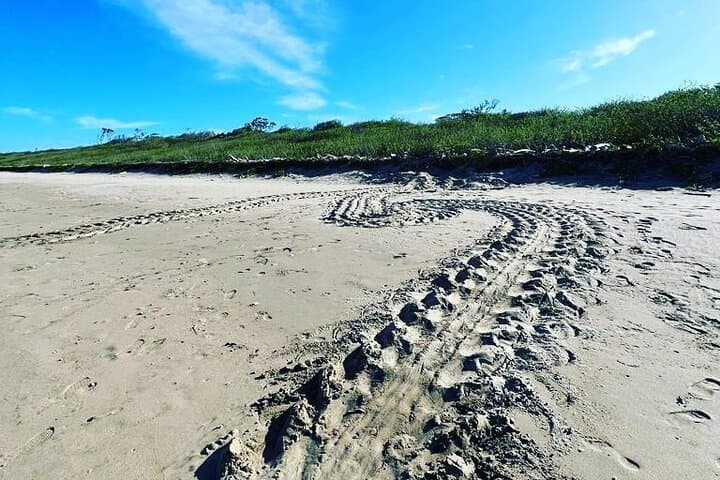
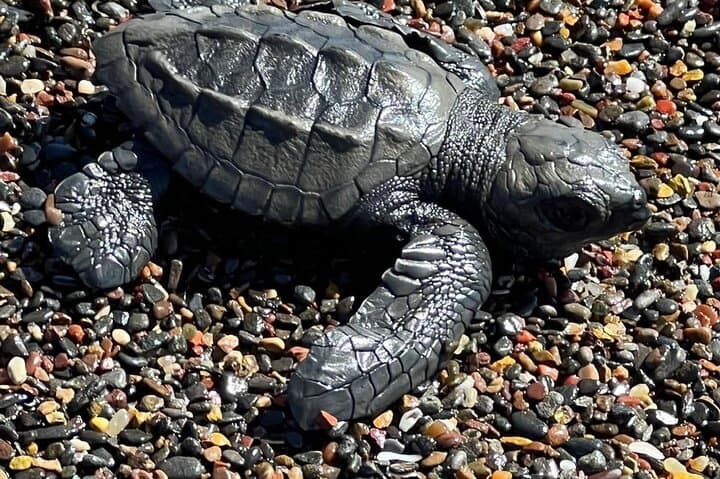
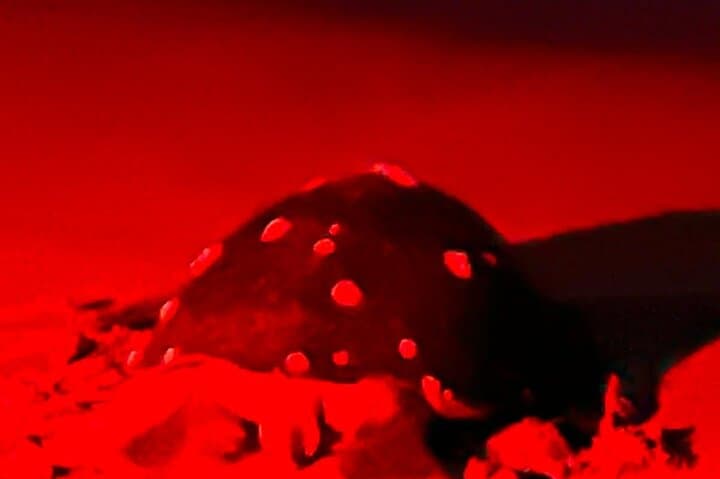
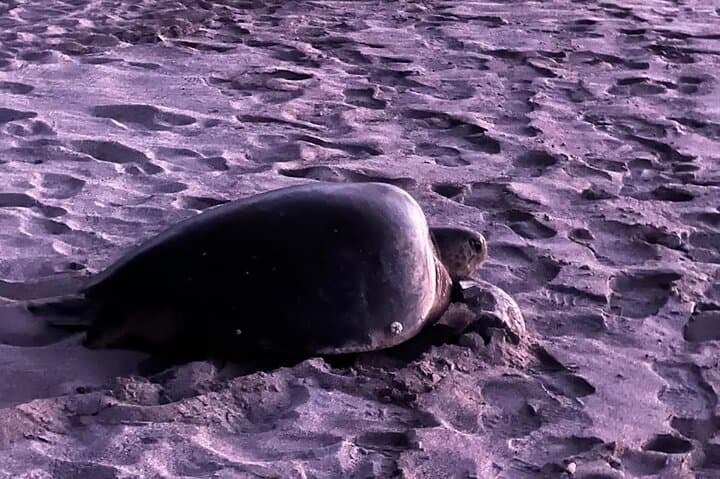
The sand cools beneath your feet as the sun dips behind low volcanic ridges and the Pacific hushes to a steady, salt-scented pulse. On a Turtle Nesting Tour at Playa Grande you move quietly along a wide, dark beach, guided by local naturalists who watch for the slow, purposeful silhouettes of female sea turtles returning to lay eggs.
The sand cools beneath your feet as the sun dips behind low volcanic ridges and the Pacific hushes to a steady, salt-scented pulse. On a Turtle Nesting Tour at Playa Grande you move quietly along a wide, dark beach, guided by local naturalists who watch for the slow, purposeful silhouettes of female sea turtles returning to lay eggs.
Playa Grande sits at the edge of Las Baulas Marine National Park, a coastal plain of volcanic sand and mangrove estuaries created by uplifted terraces and river sediments. The park was established to protect nesting leatherbacks and other species; the cultural context here ties fishing villages, conservation NGOs and park rangers into a nightly ritual of observation and protection.
Expect a short reserve walk across dune grass and compacted sand, then a patient wait near marked observation zones—flash photography and bright lights are prohibited to avoid disorienting the turtles. Guides explain nesting stages, egg chamber construction and how researchers tag and monitor hatchlings.
Practical guidance: tours are roughly three hours, start around sunset and require moderate fitness for walking on sand. Wear closed-toe shoes that handle sand and damp, bring a low-intensity red light if allowed, and pack water and a light rain layer in the wet season. Follow the guide’s instructions closely—distance, silence and minimal light are conservation rules, not suggestions.
This is a slow, deliberate experience more about careful witnessing than spectacle: the thrill comes when a massive body finally begins to dig, settle and seed the next generation under a stitched sky of stars.