THE ADVENTURE COLLECTIVE® · Independent discovery and booking for outdoor travel

Learn to read the Pacific and ride long, clean lines at Playa Grande with ISA-certified coaches. This three-hour, all-level surf lesson pairs technique with ocean sense and local conservation insights.
Learn to read the Pacific and ride long, clean lines at Playa Grande with ISA-certified coaches. This three-hour, all-level surf lesson pairs technique with ocean sense and local conservation insights.
Salt and sand meet a slow, patient swell at Playa Grande — the Pacific throws long, clean lines that test and teach in equal measure. Stand on the shoreline and the surf reads like a language: sets roll in deliberate, the tide presses and the current nudges you toward the lineup. Your coach watches those patterns, then pulls you into a rhythm that turns nervous paddling into confident runs.
Verified experiences and guided adventures in the surrounding area.
Operated by SeaStars Expeditions · Playa Grande, Guanacaste
Salt and sand meet a slow, patient swell at Playa Grande — the Pacific throws long, clean lines that test and teach in equal measure. Stand on the shoreline and the surf reads like a language: sets roll in deliberate, the tide presses and the current nudges you toward the lineup. Your coach watches those patterns, then pulls you into a rhythm that turns nervous paddling into confident runs.
Playa Grande sits on Costa Rica’s northwestern coast in Guanacaste, part of the Las Baulas Marine National Park. The beach’s sand terraces and offshore reefs shape the wave breaks, and the volcanic bedrock of the Nicoya Peninsula influences the shoreline geometry. Local fishing and small coastal communities have shaped a low-key surf culture that values respect for the ocean as much as performance.
Expect a lesson that mixes technique and ocean literacy: popping up, stance, trimming, plus how to read sets and respect beach safety. Sessions are ISA-certified and include board, leash and wax; coaches tailor progressions to your level and often weave in short cultural notes about the coastline and conservation efforts to protect nesting leatherback turtles.
Practical guidance: arrive early to avoid the midday sun and crosswinds, bring reef-safe sunscreen and a short warmup before water time. Beginners should be comfortable in waist-to-chest-deep surf; more advanced riders will find peelable right and left-handers to practice turns. Lessons run about three hours and are best scheduled around mid to high tide for forgiving whitewater and safer takeoffs.
moderate.
3 hours.
Suitable for most fitness levels; basic swimming ability and comfort in moving ocean water recommended.
No — lessons are tailored for beginners through experienced surfers; coaches adapt drills to your ability level.
Yes — you should be comfortable in waist-deep surf and able to float or tread water; instructors monitor students closely.
Lessons include an ISA-certified coach, surfboard, leash, wax and bottled water; timing and exact pick-up options vary by booking.
Trips may be canceled for unsafe conditions; the operator typically issues final confirmations and will reschedule or cancel according to local weather and surf conditions.
The coastline was traditionally used by small-scale fishers and has become important for marine conservation with the establishment of Las Baulas Marine National Park to protect nesting sea turtles.
Respect marked nesting sites, use reef-safe products, and follow coach guidance to minimize erosion and disturbance to wildlife.
SeaStars Expeditions operates guided outdoor trips and adventures with an emphasis on safety, stewardship, and memorable experiences.
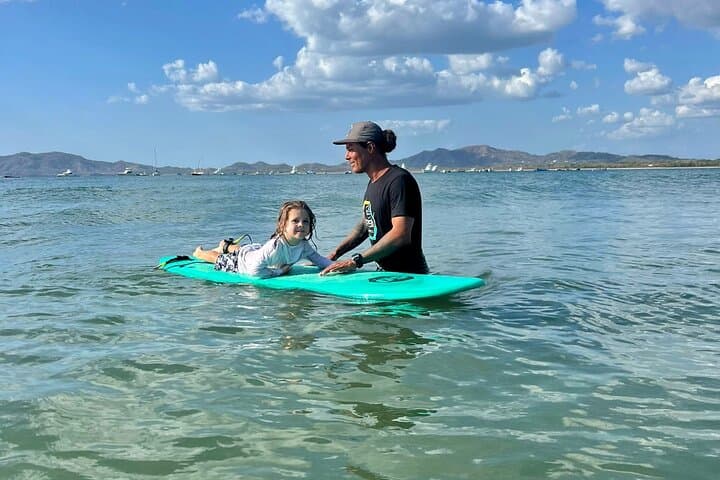
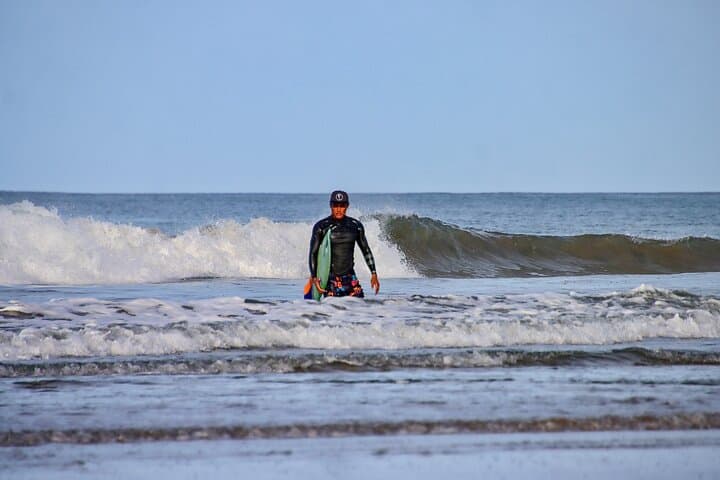
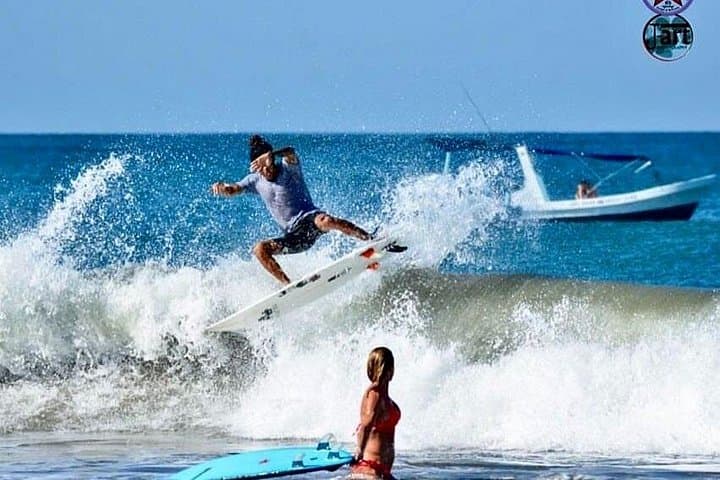
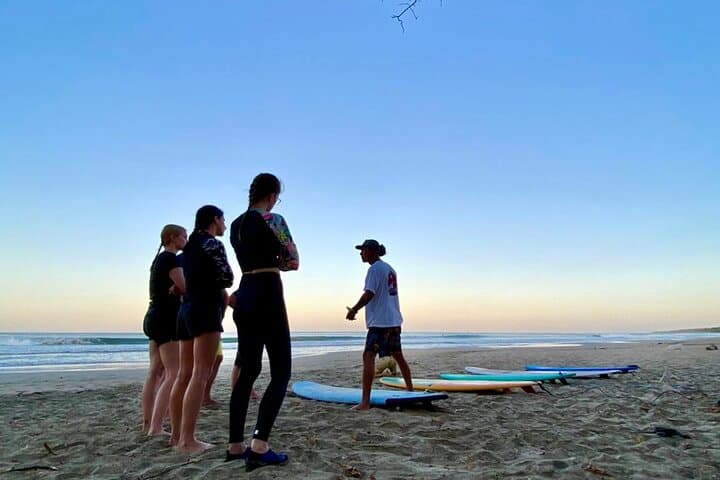
Salt and sand meet a slow, patient swell at Playa Grande — the Pacific throws long, clean lines that test and teach in equal measure. Stand on the shoreline and the surf reads like a language: sets roll in deliberate, the tide presses and the current nudges you toward the lineup. Your coach watches those patterns, then pulls you into a rhythm that turns nervous paddling into confident runs.
Salt and sand meet a slow, patient swell at Playa Grande — the Pacific throws long, clean lines that test and teach in equal measure. Stand on the shoreline and the surf reads like a language: sets roll in deliberate, the tide presses and the current nudges you toward the lineup. Your coach watches those patterns, then pulls you into a rhythm that turns nervous paddling into confident runs.
Playa Grande sits on Costa Rica’s northwestern coast in Guanacaste, part of the Las Baulas Marine National Park. The beach’s sand terraces and offshore reefs shape the wave breaks, and the volcanic bedrock of the Nicoya Peninsula influences the shoreline geometry. Local fishing and small coastal communities have shaped a low-key surf culture that values respect for the ocean as much as performance.
Expect a lesson that mixes technique and ocean literacy: popping up, stance, trimming, plus how to read sets and respect beach safety. Sessions are ISA-certified and include board, leash and wax; coaches tailor progressions to your level and often weave in short cultural notes about the coastline and conservation efforts to protect nesting leatherback turtles.
Practical guidance: arrive early to avoid the midday sun and crosswinds, bring reef-safe sunscreen and a short warmup before water time. Beginners should be comfortable in waist-to-chest-deep surf; more advanced riders will find peelable right and left-handers to practice turns. Lessons run about three hours and are best scheduled around mid to high tide for forgiving whitewater and safer takeoffs.