THE ADVENTURE COLLECTIVE® · Independent discovery and booking for outdoor travel

Observe Southern Right Whales from the shore at Playa El Doradillo, where calm coastal waters bring mothers and calves close to the beach. This accessible, land-based tour from Puerto Madryn offers intimate whale encounters without going to sea.
Observe Southern Right Whales from the shore at Playa El Doradillo, where calm coastal waters bring mothers and calves close to the beach. This accessible, land-based tour from Puerto Madryn offers intimate whale encounters without going to sea.
A low, salt-scented wind meets you on the shore at El Doradillo, where the Atlantic lays out a wide, shallow shelf and whales come close enough to feel intimate. Walkers and families line the sand with binoculars; where the water calms, Southern Right Whales surface, blow, and sometimes roll, calves tucked under a mother's flank.
Verified experiences and guided adventures in the surrounding area.
Operated by Sentir Patagonia Travel · Puerto Madryn, Chubut
A low, salt-scented wind meets you on the shore at El Doradillo, where the Atlantic lays out a wide, shallow shelf and whales come close enough to feel intimate. Walkers and families line the sand with binoculars; where the water calms, Southern Right Whales surface, blow, and sometimes roll, calves tucked under a mother's flank.
The coast here is shaped by Patagonian geology—long, flat beaches formed by sediment from the Chubut River and offshore banks that create the shallow nurseries whales prefer. Puerto Madryn itself grew from 19th-century Welsh settlements; that cultural layer appears in local place names, tea houses, and the steady, practical hospitality of the town.
El Doradillo is a protected area and a seasonal stage: between June and October mothers and calves use the calm Nuevo Gulf to rest and socialize. Guides interpret behaviors and point out flukes, callosities, and the telltale V of a blow. Observations are strictly land-based, so you remain on foot or inside the viewing vehicle, keeping disturbance minimal.
Practical guidance: aim for morning or late afternoon light, bring binoculars and a camera with a telephoto lens, and dress in windproof layers—Patagonian weather flips quickly. Expect a 2–3 hour outing that’s accessible for most fitness levels but involves sandy walking and limited facilities. Respect signage, follow guide instructions, and keep a comfortable distance; the experience is rewarding, intimate, and low-impact when visitors act responsibly.
easy.
2–3 hours.
Suitable for most fitness levels; involves short walks on sand and standing for extended periods.
Whale season runs roughly June through October, with highest sightings mid-July to September when mothers and calves use the shallow gulf.
Southern Right Whales often come within a few dozen meters of the surf at El Doradillo, allowing clear land-based viewing without needing a boat.
Yes—viewing is family-friendly and largely accessible, but expect sandy walking; the tour notes wheelchair and stroller accessibility for parts of the area.
No responsible operator guarantees wildlife sightings; however, El Doradillo is one of the most reliable land-based sites for Southern Right Whale observations in the region.
Puerto Madryn traces much of its community structure to 19th-century Welsh settlers; fishing and ship repair shaped the industrial park visible from the route to El Doradillo.
El Doradillo is a protected observation area with regulations to minimize disturbance; visitors should keep distance, avoid loud noises, and follow guide rules to protect mothers and calves.
Sentir Patagonia Travel operates guided outdoor trips and adventures with an emphasis on safety, stewardship, and memorable experiences.


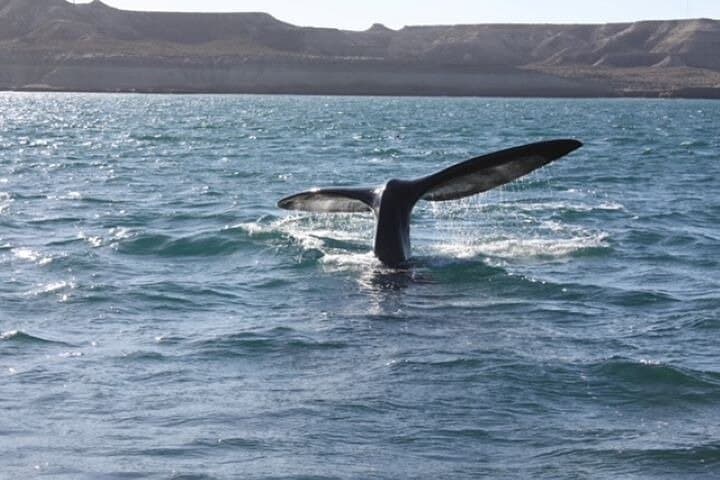
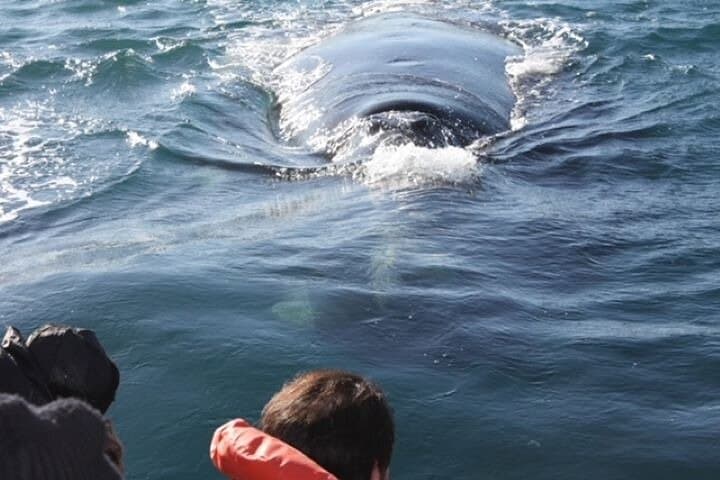
A low, salt-scented wind meets you on the shore at El Doradillo, where the Atlantic lays out a wide, shallow shelf and whales come close enough to feel intimate. Walkers and families line the sand with binoculars; where the water calms, Southern Right Whales surface, blow, and sometimes roll, calves tucked under a mother's flank.
A low, salt-scented wind meets you on the shore at El Doradillo, where the Atlantic lays out a wide, shallow shelf and whales come close enough to feel intimate. Walkers and families line the sand with binoculars; where the water calms, Southern Right Whales surface, blow, and sometimes roll, calves tucked under a mother's flank.
The coast here is shaped by Patagonian geology—long, flat beaches formed by sediment from the Chubut River and offshore banks that create the shallow nurseries whales prefer. Puerto Madryn itself grew from 19th-century Welsh settlements; that cultural layer appears in local place names, tea houses, and the steady, practical hospitality of the town.
El Doradillo is a protected area and a seasonal stage: between June and October mothers and calves use the calm Nuevo Gulf to rest and socialize. Guides interpret behaviors and point out flukes, callosities, and the telltale V of a blow. Observations are strictly land-based, so you remain on foot or inside the viewing vehicle, keeping disturbance minimal.
Practical guidance: aim for morning or late afternoon light, bring binoculars and a camera with a telephoto lens, and dress in windproof layers—Patagonian weather flips quickly. Expect a 2–3 hour outing that’s accessible for most fitness levels but involves sandy walking and limited facilities. Respect signage, follow guide instructions, and keep a comfortable distance; the experience is rewarding, intimate, and low-impact when visitors act responsibly.