THE ADVENTURE COLLECTIVE® · Independent discovery and booking for outdoor travel

Short boat rides from Playa del Carmen put you on the Mesoamerican Barrier Reef for drifts, walls, and wrecks. Learn what to expect—from currents and wildlife to certification and practical packing—before you drop in.
Short boat rides from Playa del Carmen put you on the Mesoamerican Barrier Reef for drifts, walls, and wrecks. Learn what to expect—from currents and wildlife to certification and practical packing—before you drop in.
The morning boat slips from Playa del Carmen before the heat sets in, the reef rising like a living wall beneath the surface. Salt breath fills the air and the guide checks tanks while the shoreline of Quinta Avenida shrinks behind you. On arrival, the first plunge drops you into clear Caribbean water where corals and sponges angle toward you, and schools of sergeant majors thread through red fans.
Verified experiences and guided adventures in the surrounding area.
Operated by Diversland Mexico · Playa del Carmen, Quintana Roo
The morning boat slips from Playa del Carmen before the heat sets in, the reef rising like a living wall beneath the surface. Salt breath fills the air and the guide checks tanks while the shoreline of Quinta Avenida shrinks behind you. On arrival, the first plunge drops you into clear Caribbean water where corals and sponges angle toward you, and schools of sergeant majors thread through red fans.
This stretch of the Mesoamerican Barrier Reef—the second-largest reef system on Earth—was built on limestone foundations shaped by ancient sea-level changes and sustained by tropical currents. The region has long been part of Mayan coastal life; fishing and reef knowledge are woven into local culture, and modern dive operators aim to balance tourism with reef protection.
Expect a variety of sites: shallow gardens for learners, drift runs that demand steady buoyancy, wrecks that attract groupers, and seasonal visits from bull sharks between November and March. Marine life is vivid—turtles, rays, morays, and colorful reef fish—while currents can push or pull you, so striking the right pace matters.
Practical guidance: bring certification and logbook if you plan certified dives; check weight needs with the operator; hydrate before boarding and avoid diving within 24 hours of flying. Wear a shorty or 3mm wetsuit year-round for sun and protection. Surface intervals are long enough to enjoy boat-side snorkeling or photo checks. With straightforward planning—early start, certified guide, and respect for reef rules—this area delivers reliable, varied Caribbean diving for a wide range of skill levels.
moderate.
5 hours.
Moderate fitness; comfortable swimming and ability to handle surface swims and boat entry/exit are required
Evidence of dive certification is required for certified dives; some operators offer introductory (discover) dives for non-certified participants—confirm in advance.
Bull sharks are commonly sighted from November to March at specific sites; sightings are seasonal and never guaranteed.
Pickup from central Playa del Carmen and Playacar is typically included—verify your pickup time when booking.
Minimum age for participation is generally 10 years old; younger children may be limited to snorkeling depending on operator policies.
The reef sits along the Mesoamerican Barrier Reef, formed on ancient limestone and long used by coastal Maya communities for food and navigation.
Coral stress and bleaching are regional concerns; choose operators that follow reef-safe practices, avoid anchoring on coral, and support local conservation programs.
Diversland Mexico operates guided outdoor trips and adventures with an emphasis on safety, stewardship, and memorable experiences.
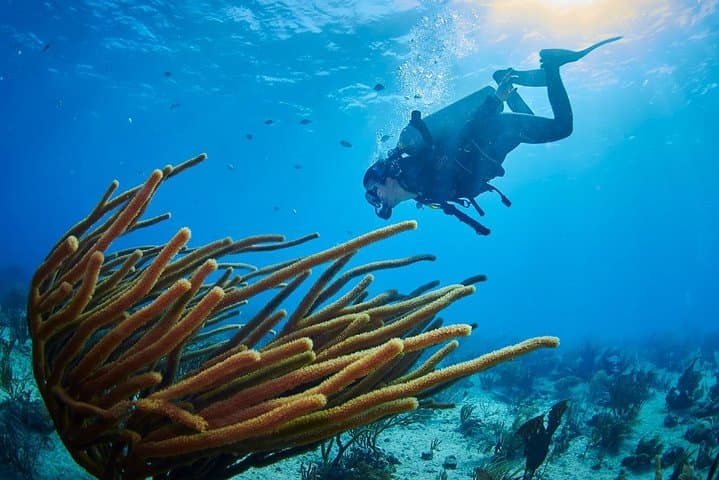
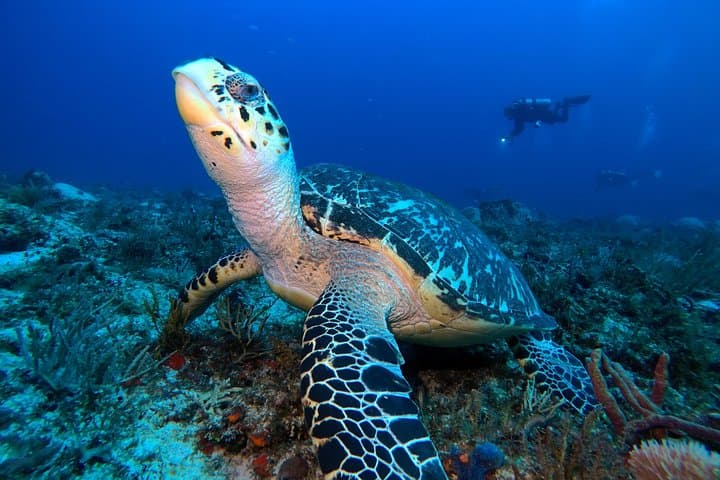
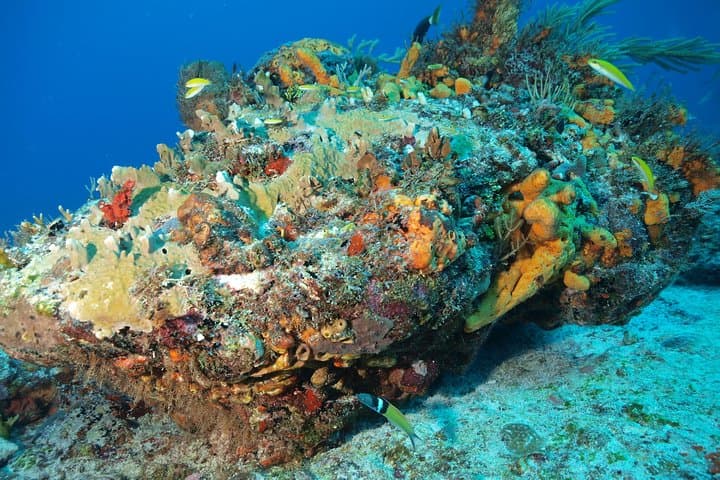
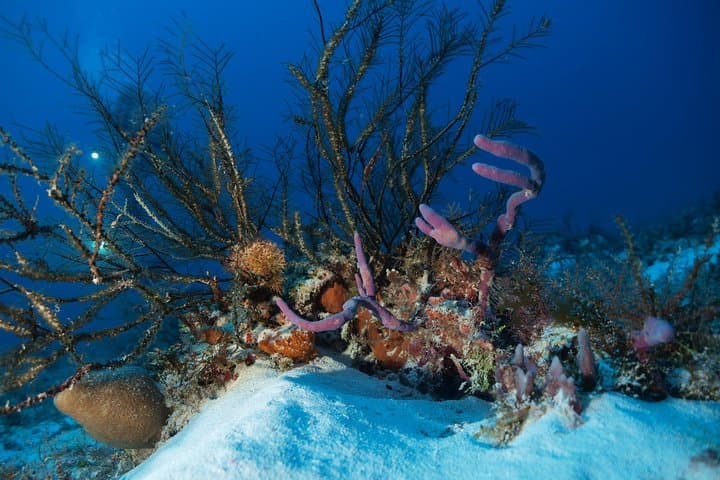
The morning boat slips from Playa del Carmen before the heat sets in, the reef rising like a living wall beneath the surface. Salt breath fills the air and the guide checks tanks while the shoreline of Quinta Avenida shrinks behind you. On arrival, the first plunge drops you into clear Caribbean water where corals and sponges angle toward you, and schools of sergeant majors thread through red fans.
The morning boat slips from Playa del Carmen before the heat sets in, the reef rising like a living wall beneath the surface. Salt breath fills the air and the guide checks tanks while the shoreline of Quinta Avenida shrinks behind you. On arrival, the first plunge drops you into clear Caribbean water where corals and sponges angle toward you, and schools of sergeant majors thread through red fans.
This stretch of the Mesoamerican Barrier Reef—the second-largest reef system on Earth—was built on limestone foundations shaped by ancient sea-level changes and sustained by tropical currents. The region has long been part of Mayan coastal life; fishing and reef knowledge are woven into local culture, and modern dive operators aim to balance tourism with reef protection.
Expect a variety of sites: shallow gardens for learners, drift runs that demand steady buoyancy, wrecks that attract groupers, and seasonal visits from bull sharks between November and March. Marine life is vivid—turtles, rays, morays, and colorful reef fish—while currents can push or pull you, so striking the right pace matters.
Practical guidance: bring certification and logbook if you plan certified dives; check weight needs with the operator; hydrate before boarding and avoid diving within 24 hours of flying. Wear a shorty or 3mm wetsuit year-round for sun and protection. Surface intervals are long enough to enjoy boat-side snorkeling or photo checks. With straightforward planning—early start, certified guide, and respect for reef rules—this area delivers reliable, varied Caribbean diving for a wide range of skill levels.