THE ADVENTURE COLLECTIVE® · Independent discovery and booking for outdoor travel

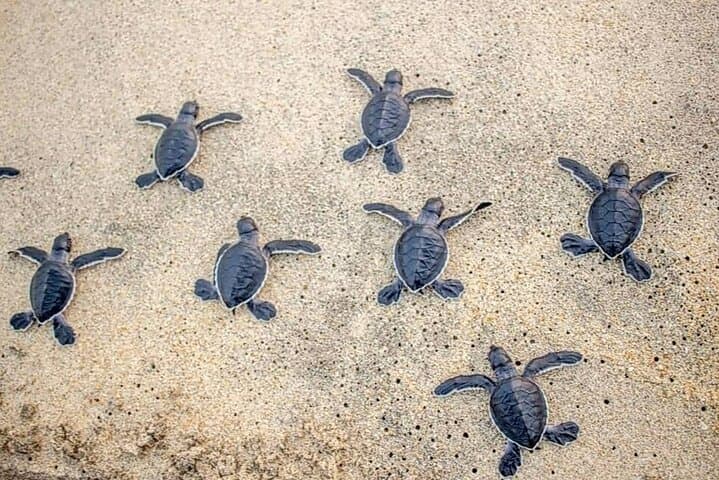
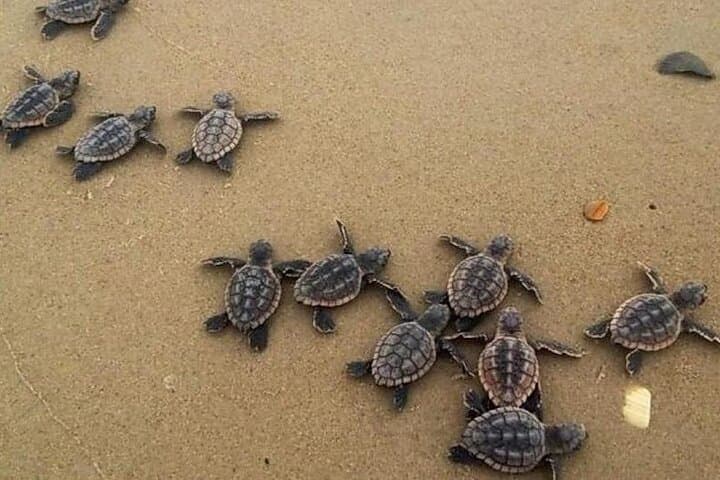
Witness newly hatched sea turtles make their first run to the ocean on a guided night release at Playa Blanca. Community-run sanctuaries relocate eggs for protection, then let hatchlings scramble to the surf under careful supervision.
Witness newly hatched sea turtles make their first run to the ocean on a guided night release at Playa Blanca. Community-run sanctuaries relocate eggs for protection, then let hatchlings scramble to the surf under careful supervision.
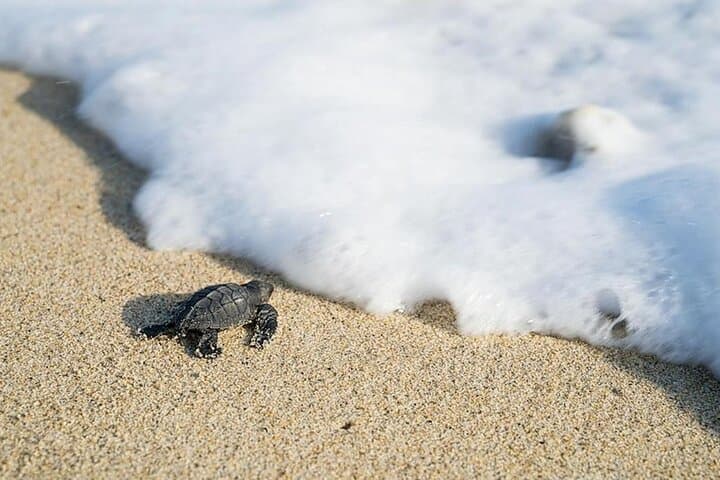
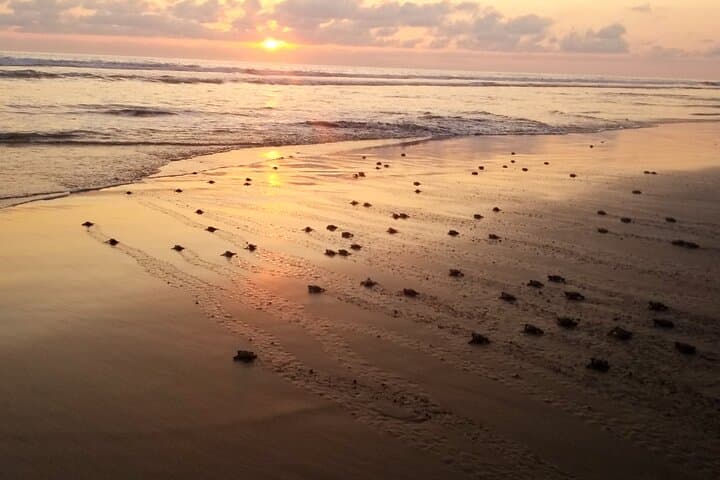
The beach is a black ribbon under a star-pierced sky, waves nudging the sand as small shapes scramble toward the water. On a guided Turtle Release at Playa Blanca you stand at the edge of that rush—quiet, low-lit, and exactly where a clutch of freshly hatched sea turtles makes its first, fevered dash into the Pacific.
Verified experiences and guided adventures in the surrounding area.
Operated by Ketavi Tourist Excursions · Zihuatanejo, Guerrero
The beach is a black ribbon under a star-pierced sky, waves nudging the sand as small shapes scramble toward the water. On a guided Turtle Release at Playa Blanca you stand at the edge of that rush—quiet, low-lit, and exactly where a clutch of freshly hatched sea turtles makes its first, fevered dash into the Pacific.
This stretch of Guerrero coastline has long been a nesting ground for olive ridley and occasionally leatherback turtles; local communities and conservation groups began organized sanctuary programs in the late 20th century to protect nests from predators and human disruption. Geologically the area is a mix of volcanic-derived dark sand and low-lying beach ridges that channel hatchlings toward the surf, while nearby headlands alter currents and provide dramatic swell and shorebreak patterns.
The cultural element is hands-on: trained wardens relocate eggs to protected incubators and brief visitors on protocols before any handling. Expect hushed instructions, careful hands, and the small, synchronized sprint of dozens of hatchlings to the sea—an intense, brief spectacle.
Practical guidance: tours are at night and can move between Playa Blanca, Troncones, or Juluchuca depending on hatching activity; check pickup logistics and confirm flashlight and camera rules. Wear sturdy shoes for walking on warm or uneven sand, bring water, and plan for wind or a cool ocean breeze after dark. Follow guide directions exactly—minimal light and no sudden movements help hatchlings find the horizon and survive the first critical minutes of life.
easy.
3–4 hours.
Suitable for most people; requires short, flat beach walks and standing for brief periods
Participants are often allowed to hold hatchlings briefly under direct staff supervision—follow all handling instructions to minimize stress to the animal.
Nesting and hatching on the Pacific coast typically run from roughly June through December, though exact timing varies by year and site; tours operate only when hatchlings are present.
Yes—private, air-conditioned transportation is included; confirm your pickup point and time when you book.
Yes—tours are described as suitable for all fitness levels and wheelchair/stroller accessible, but confirm accessibility specifics with the operator for each day's site.
Local conservation efforts grew in the late 20th century as communities partnered with NGOs to protect nests and reintroduce hatchlings, shifting practices from egg collection for consumption to sanctuary incubation.
Releases are orchestrated to minimize light pollution and human interference; follow guides, avoid flash photography, and leave no trash to prevent disorientation and predation of hatchlings.
Ketavi Tourist Excursions operates guided outdoor trips and adventures with an emphasis on safety, stewardship, and memorable experiences.
The beach is a black ribbon under a star-pierced sky, waves nudging the sand as small shapes scramble toward the water. On a guided Turtle Release at Playa Blanca you stand at the edge of that rush—quiet, low-lit, and exactly where a clutch of freshly hatched sea turtles makes its first, fevered dash into the Pacific.
The beach is a black ribbon under a star-pierced sky, waves nudging the sand as small shapes scramble toward the water. On a guided Turtle Release at Playa Blanca you stand at the edge of that rush—quiet, low-lit, and exactly where a clutch of freshly hatched sea turtles makes its first, fevered dash into the Pacific.
This stretch of Guerrero coastline has long been a nesting ground for olive ridley and occasionally leatherback turtles; local communities and conservation groups began organized sanctuary programs in the late 20th century to protect nests from predators and human disruption. Geologically the area is a mix of volcanic-derived dark sand and low-lying beach ridges that channel hatchlings toward the surf, while nearby headlands alter currents and provide dramatic swell and shorebreak patterns.
The cultural element is hands-on: trained wardens relocate eggs to protected incubators and brief visitors on protocols before any handling. Expect hushed instructions, careful hands, and the small, synchronized sprint of dozens of hatchlings to the sea—an intense, brief spectacle.
Practical guidance: tours are at night and can move between Playa Blanca, Troncones, or Juluchuca depending on hatching activity; check pickup logistics and confirm flashlight and camera rules. Wear sturdy shoes for walking on warm or uneven sand, bring water, and plan for wind or a cool ocean breeze after dark. Follow guide directions exactly—minimal light and no sudden movements help hatchlings find the horizon and survive the first critical minutes of life.