THE ADVENTURE COLLECTIVE® · Independent discovery and booking for outdoor travel

Escape Cartagena for a blue-water day at Playa Blanca on Barú Island. This shuttle tour drops you at Quiet Beach where calm shallows, snorkeling and beachside restaurants await—ideal for a low-effort, high-reward coastal day trip.
Escape Cartagena for a blue-water day at Playa Blanca on Barú Island. This shuttle tour drops you at Quiet Beach where calm shallows, snorkeling and beachside restaurants await—ideal for a low-effort, high-reward coastal day trip.
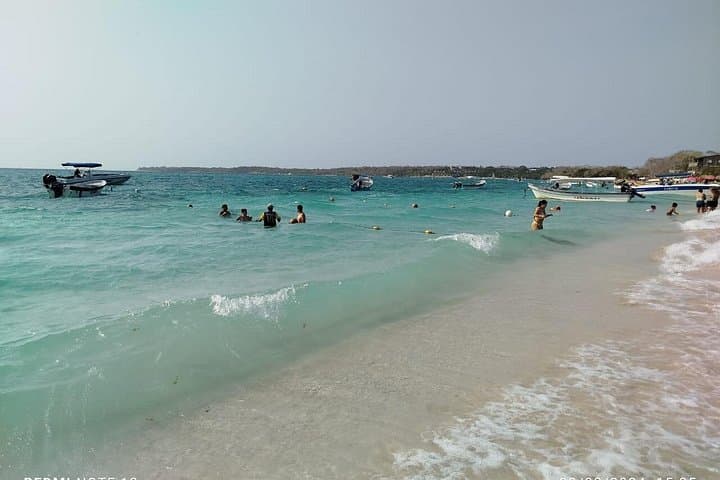
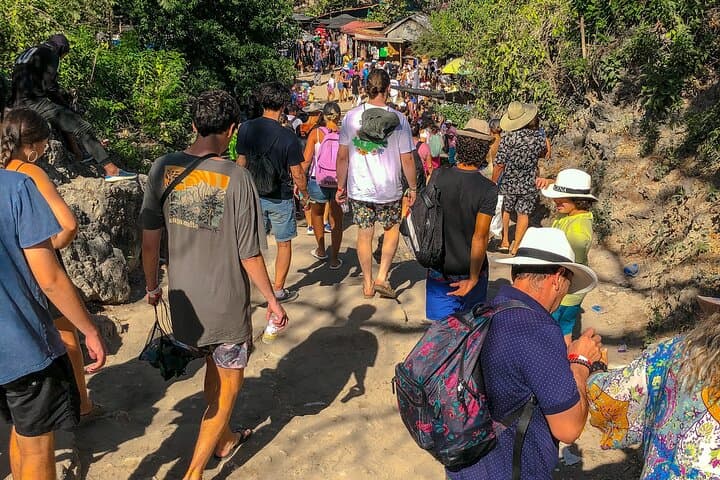
Morning light slices across Cartagena’s harbor as an air-conditioned shuttle pulls away from the Juan Valdez meeting point, heading toward the low, sandy spine of Barú Island. The road out of the walled city offers intermittent coastal panoramas; by arrival the salt in the air and the hush of surf replace the city’s hum. A short walk down concrete stairs leads to Playa Blanca’s bright coral sand, while a ten-minute shoreline stroll brings you to Playa Tranquila, a less crowded stretch where palms lean and the water is clear enough to read the seafloor.
Verified experiences and guided adventures in the surrounding area.
Operated by AV COL · Cartagena, Bolívar
Morning light slices across Cartagena’s harbor as an air-conditioned shuttle pulls away from the Juan Valdez meeting point, heading toward the low, sandy spine of Barú Island. The road out of the walled city offers intermittent coastal panoramas; by arrival the salt in the air and the hush of surf replace the city’s hum. A short walk down concrete stairs leads to Playa Blanca’s bright coral sand, while a ten-minute shoreline stroll brings you to Playa Tranquila, a less crowded stretch where palms lean and the water is clear enough to read the seafloor.
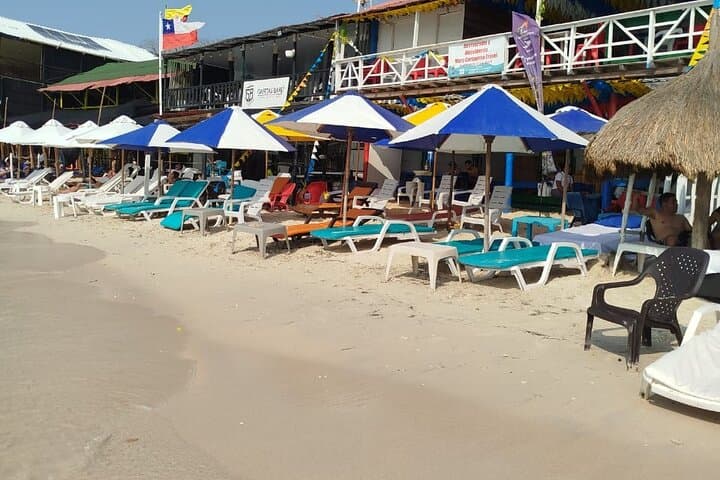
Barú was long a fishing community; the island’s villages—Ararca and Santana—still reflect that maritime culture as tourism grew in the late 20th century. Geologically, Barú is a low-lying carbonate sandbar formed from coral and reef deposits, which explains the fine white sand and shallow, turquoise lagoon. Locally, expect vendors offering fresh seafood and small beach restaurants serving fried fish, coconut rice and cold juices.
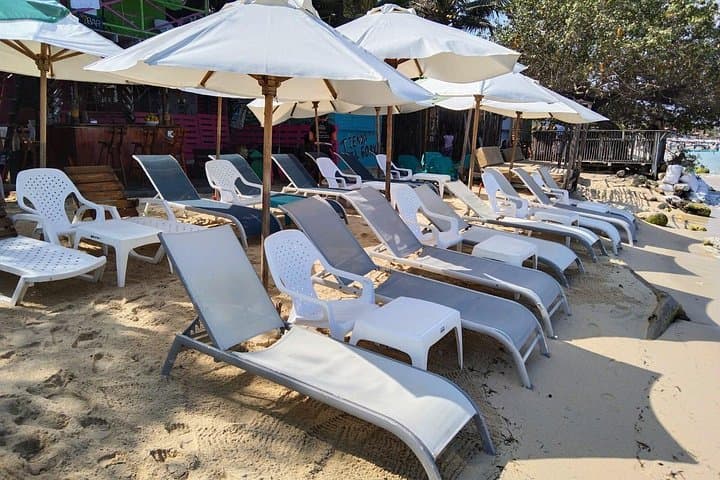
Practically: this is a full-day, 6–7 hour outing that’s physically easy but exposed to sun and wind. Bring reef-safe sunscreen, a swim mask for snorkeling, and cash for local food and rentals (jet skis, kayaks, banana boats). The return is scheduled mid-afternoon—be punctual at the pickup point. If you prefer quieter water, walk toward Playa Tranquila or time your visit on weekdays. Respect local habits: vendors and fishers rely on tourism, so tipping for services and keeping the beach free of trash supports the community and the fragile reef systems that make Barú’s waters so clear.
easy.
6–7 hours.
Suitable for all fitness levels; requires basic mobility for short beach walks and stairs.
The round‑trip experience is typically 6–7 hours from pickup to drop‑off, including 3 hours beach time.
Lunch is usually not included; there are beach restaurants where you can buy seafood and local dishes at additional cost.
Some vendors rent snorkel gear on the beach; bringing your own mask and snorkel ensures fit and hygiene.
Access involves concrete stairs and soft sand; this tour is generally not suitable for full wheelchair access without assistance.
Barú evolved from a fishing economy; increased visitors in recent decades shifted local livelihoods toward tourism while coastal communities maintain traditional fishing practices.
Bring out what you bring in and avoid touching coral; local groups and authorities encourage reef‑safe products and responsible snorkeling to protect fragile reef habitats.
AV COL operates guided outdoor trips and adventures with an emphasis on safety, stewardship, and memorable experiences.
Morning light slices across Cartagena’s harbor as an air-conditioned shuttle pulls away from the Juan Valdez meeting point, heading toward the low, sandy spine of Barú Island. The road out of the walled city offers intermittent coastal panoramas; by arrival the salt in the air and the hush of surf replace the city’s hum. A short walk down concrete stairs leads to Playa Blanca’s bright coral sand, while a ten-minute shoreline stroll brings you to Playa Tranquila, a less crowded stretch where palms lean and the water is clear enough to read the seafloor.
Morning light slices across Cartagena’s harbor as an air-conditioned shuttle pulls away from the Juan Valdez meeting point, heading toward the low, sandy spine of Barú Island. The road out of the walled city offers intermittent coastal panoramas; by arrival the salt in the air and the hush of surf replace the city’s hum. A short walk down concrete stairs leads to Playa Blanca’s bright coral sand, while a ten-minute shoreline stroll brings you to Playa Tranquila, a less crowded stretch where palms lean and the water is clear enough to read the seafloor.
Barú was long a fishing community; the island’s villages—Ararca and Santana—still reflect that maritime culture as tourism grew in the late 20th century. Geologically, Barú is a low-lying carbonate sandbar formed from coral and reef deposits, which explains the fine white sand and shallow, turquoise lagoon. Locally, expect vendors offering fresh seafood and small beach restaurants serving fried fish, coconut rice and cold juices.
Practically: this is a full-day, 6–7 hour outing that’s physically easy but exposed to sun and wind. Bring reef-safe sunscreen, a swim mask for snorkeling, and cash for local food and rentals (jet skis, kayaks, banana boats). The return is scheduled mid-afternoon—be punctual at the pickup point. If you prefer quieter water, walk toward Playa Tranquila or time your visit on weekdays. Respect local habits: vendors and fishers rely on tourism, so tipping for services and keeping the beach free of trash supports the community and the fragile reef systems that make Barú’s waters so clear.