THE ADVENTURE COLLECTIVE® · Independent discovery and booking for outdoor travel

Spend a day on Isla Barú’s famous Playa Blanca: swim in clear Caribbean shallows, eat a traditional coastal lunch, and choose optional water activities. This practical guide prepares you for the beach, the boat ride, and what to pack.
Spend a day on Isla Barú’s famous Playa Blanca: swim in clear Caribbean shallows, eat a traditional coastal lunch, and choose optional water activities. This practical guide prepares you for the beach, the boat ride, and what to pack.
The morning boat slips away from Cartagena’s harbor and the Caribbean pulls you forward — warm, clear, insistent. Within an hour the shoreline of Isla Barú opens: a broad sweep of fine white sand, shallow turquoise water, and the voices of fishermen-turned-operators guiding visitors ashore. The scene is immediate and tactile; sand shifts underfoot, gulls question your lunch, and the sea dares you to wade out.
Verified experiences and guided adventures in the surrounding area.
Operated by AV COL · Cartagena, Bolívar
The morning boat slips away from Cartagena’s harbor and the Caribbean pulls you forward — warm, clear, insistent. Within an hour the shoreline of Isla Barú opens: a broad sweep of fine white sand, shallow turquoise water, and the voices of fishermen-turned-operators guiding visitors ashore. The scene is immediate and tactile; sand shifts underfoot, gulls question your lunch, and the sea dares you to wade out.
Barú’s coastline is young in geological terms — sand deposited by currents off the Magdalena River, shaped by tides and storms into the long beaches visitors know. Historically this was a string of fishing villages where coconut groves and small craft defined daily life; tourism has become a major source of income while local kitchens keep coastal recipes alive — expect fried fish or chicken, coconut rice, patacón and salad for a classic lunch.
The beach is best for relaxed swimming, easy snorkeling near rockier points, and short, flat walks along shore. Shade is limited; midday sun is strong and the ocean’s shallow shelf can produce sudden warm swells. Operators often offer extra-pay options: jet-skiing, banana boat rides, or guided snorkeling trips to nearby reefs.
Practical guidance: bring reef-safe sunscreen, a refillable water bottle, and water shoes for shell-strewn shallows. Plan to arrive early to beat crowds and secure a shade spot; expect a 7–8 hour outing including hotel pickup and return. Respect local vendors and marine life — small gestures keep Barú’s beaches healthy for the next tide.
easy.
7–8 hours.
Suitable for most fitness levels; requires basic mobility for boarding boats and walking on sand
Yes — a typical Caribbean lunch (fish or chicken with coconut rice, patacón and salad) is included in the tour price.
Pickup and drop-off at specified hotels or meeting points in Cartagena are included, as noted in booking details.
Yes; snorkeling is possible near rockier points and reefs, but better reef snorkeling may be available for an extra fee and depends on water conditions.
Yes — the activity is described as physically easy; toddlers should be supervised and non-swimmers should use life vests provided by operators if available.
Isla Barú grew from fishing settlements; its beaches and small villages have supplied Cartagena with seafood and coastal culture for generations.
Coral patches near Barú are sensitive—use reef-safe sunscreen, avoid touching marine life, and minimize single-use plastics to reduce impact.
AV COL operates guided outdoor trips and adventures with an emphasis on safety, stewardship, and memorable experiences.

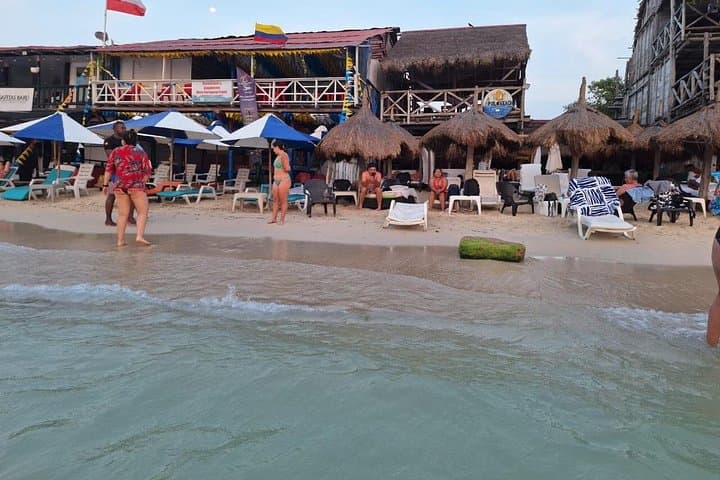
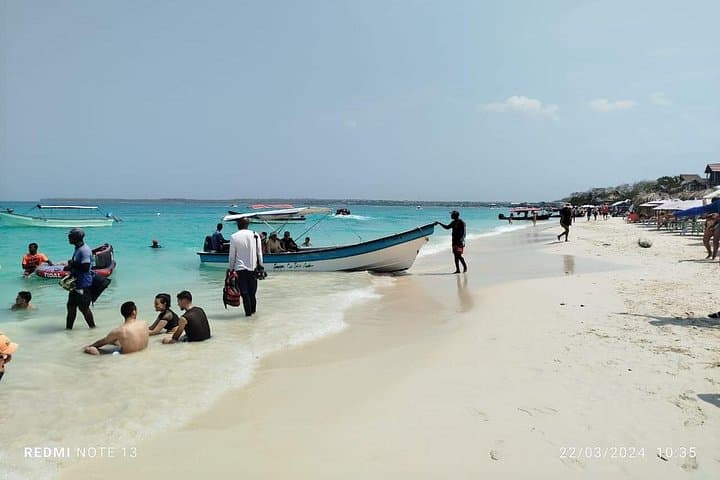
The morning boat slips away from Cartagena’s harbor and the Caribbean pulls you forward — warm, clear, insistent. Within an hour the shoreline of Isla Barú opens: a broad sweep of fine white sand, shallow turquoise water, and the voices of fishermen-turned-operators guiding visitors ashore. The scene is immediate and tactile; sand shifts underfoot, gulls question your lunch, and the sea dares you to wade out.
The morning boat slips away from Cartagena’s harbor and the Caribbean pulls you forward — warm, clear, insistent. Within an hour the shoreline of Isla Barú opens: a broad sweep of fine white sand, shallow turquoise water, and the voices of fishermen-turned-operators guiding visitors ashore. The scene is immediate and tactile; sand shifts underfoot, gulls question your lunch, and the sea dares you to wade out.
Barú’s coastline is young in geological terms — sand deposited by currents off the Magdalena River, shaped by tides and storms into the long beaches visitors know. Historically this was a string of fishing villages where coconut groves and small craft defined daily life; tourism has become a major source of income while local kitchens keep coastal recipes alive — expect fried fish or chicken, coconut rice, patacón and salad for a classic lunch.
The beach is best for relaxed swimming, easy snorkeling near rockier points, and short, flat walks along shore. Shade is limited; midday sun is strong and the ocean’s shallow shelf can produce sudden warm swells. Operators often offer extra-pay options: jet-skiing, banana boat rides, or guided snorkeling trips to nearby reefs.
Practical guidance: bring reef-safe sunscreen, a refillable water bottle, and water shoes for shell-strewn shallows. Plan to arrive early to beat crowds and secure a shade spot; expect a 7–8 hour outing including hotel pickup and return. Respect local vendors and marine life — small gestures keep Barú’s beaches healthy for the next tide.