THE ADVENTURE COLLECTIVE® · Independent discovery and booking for outdoor travel

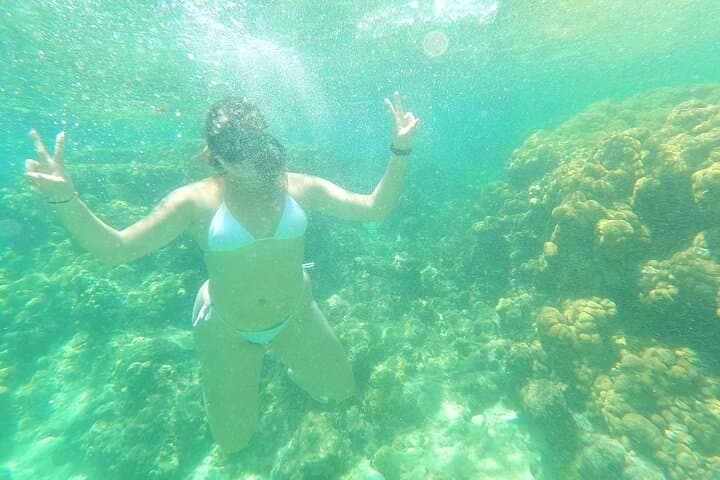
Head an hour by boat from Cartagena to Playa Blanca on Barú for snorkeling over shallow reefs, lunch on white sand, and a guided look at coastal mangroves. This full-day trip mixes relaxing beach time with easy wildlife encounters and practical local hospitality.
Head an hour by boat from Cartagena to Playa Blanca on Barú for snorkeling over shallow reefs, lunch on white sand, and a guided look at coastal mangroves. This full-day trip mixes relaxing beach time with easy wildlife encounters and practical local hospitality.
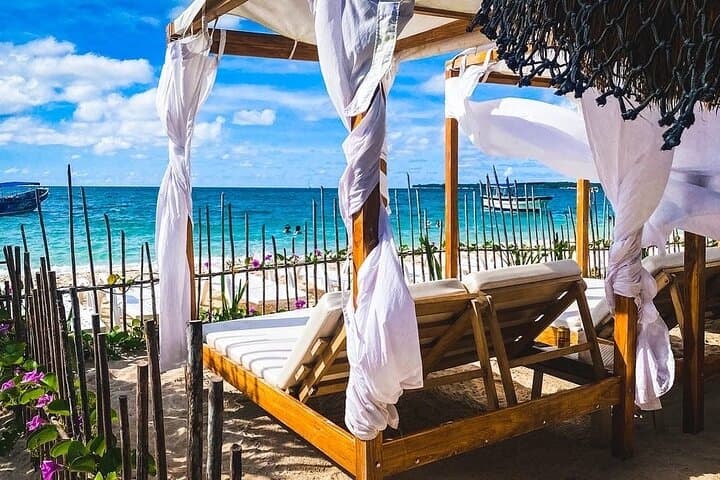
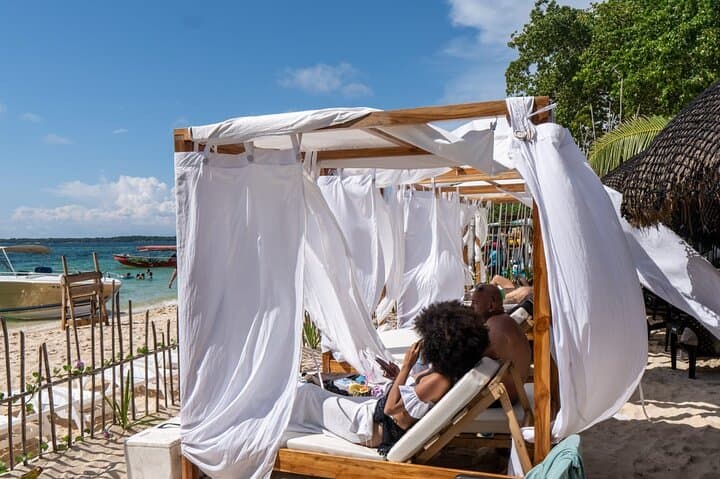
Early light lifts off Cartagena’s harbor and you’re on the water, the city shrinking behind you as the boat hums toward Barú’s Playa Blanca. Salt and sun ride the breeze; the shoreline arrives as a sheet of brilliant white sand edged by shallow, turquoise water. The guide points toward a fringe of mangroves where roots knot the shallows and small fish dart—this is a day that alternates between wide, open beach and intimate coastal ecology.
Verified experiences and guided adventures in the surrounding area.
Operated by Que hay pa' hacer en cartagena · Cartagena, Bolívar
Early light lifts off Cartagena’s harbor and you’re on the water, the city shrinking behind you as the boat hums toward Barú’s Playa Blanca. Salt and sun ride the breeze; the shoreline arrives as a sheet of brilliant white sand edged by shallow, turquoise water. The guide points toward a fringe of mangroves where roots knot the shallows and small fish dart—this is a day that alternates between wide, open beach and intimate coastal ecology.
Geology here is simple Caribbean limestone and sand built from coral fragments and shell; Barú was once a mainland peninsula now treated by tides into an island-dune coastline. The mangrove stands—primarily red and black mangrove species—trap sediment and form nursery habitat for reef and estuarine life. Culturally, Barú has grown around fishing and tourism, with local eateries serving freshly grilled fish and the tourist infrastructure centered on Playa Blanca.
Expect about an hour transfer each way from Cartagena, roughly five hours on Barú for swimming, snorkeling and time ashore, with lunch and facilities included. Water temperatures are warm year-round, and reef flats are shallow—ideal for beginner snorkelers—while small channels and the mangrove fringe host juvenile fish, crabs and wading birds.
Plan practicalities: bring reef-safe sunscreen, a fitted mask if you have one, and a light cover-up for sun and boat spray. Protect the mangroves by not stepping on roots or anchoring over seagrass. Morning departures often mean calmer seas and clearer snorkeling. Hydrate, secure valuables, and be ready to swap the city’s grid for the steady pulse of sea and shore.
easy.
8 hours (including transfers).
Light fitness—comfortable walking on sand and swimming short distances; non-swimmers may still enjoy the beach areas.
The trip usually includes about 1 hour of transfer each way, with roughly five hours on Barú for snorkeling, lunch and beach time.
Many operators provide basic snorkel sets, but bringing your own mask is recommended for comfort and hygiene.
No—shallow reef flats make snorkeling accessible to beginners, but basic swimming ability and comfort in open water are helpful.
Yes, most day-trip sites have basic facilities and a lunch included; bring cash for extras and local snacks.
Barú historically served fishing communities and was connected to Cartagena by changing channels; tourism expanded as its beaches drew day-trippers from the city.
Mangroves and nearby reef flats are fragile—avoid stepping on roots or reef, use reef-safe sunscreen, and follow guides’ instructions to minimize anchoring impact.
Que hay pa' hacer en cartagena operates guided outdoor trips and adventures with an emphasis on safety, stewardship, and memorable experiences.
Early light lifts off Cartagena’s harbor and you’re on the water, the city shrinking behind you as the boat hums toward Barú’s Playa Blanca. Salt and sun ride the breeze; the shoreline arrives as a sheet of brilliant white sand edged by shallow, turquoise water. The guide points toward a fringe of mangroves where roots knot the shallows and small fish dart—this is a day that alternates between wide, open beach and intimate coastal ecology.
Early light lifts off Cartagena’s harbor and you’re on the water, the city shrinking behind you as the boat hums toward Barú’s Playa Blanca. Salt and sun ride the breeze; the shoreline arrives as a sheet of brilliant white sand edged by shallow, turquoise water. The guide points toward a fringe of mangroves where roots knot the shallows and small fish dart—this is a day that alternates between wide, open beach and intimate coastal ecology.
Geology here is simple Caribbean limestone and sand built from coral fragments and shell; Barú was once a mainland peninsula now treated by tides into an island-dune coastline. The mangrove stands—primarily red and black mangrove species—trap sediment and form nursery habitat for reef and estuarine life. Culturally, Barú has grown around fishing and tourism, with local eateries serving freshly grilled fish and the tourist infrastructure centered on Playa Blanca.
Expect about an hour transfer each way from Cartagena, roughly five hours on Barú for swimming, snorkeling and time ashore, with lunch and facilities included. Water temperatures are warm year-round, and reef flats are shallow—ideal for beginner snorkelers—while small channels and the mangrove fringe host juvenile fish, crabs and wading birds.
Plan practicalities: bring reef-safe sunscreen, a fitted mask if you have one, and a light cover-up for sun and boat spray. Protect the mangroves by not stepping on roots or anchoring over seagrass. Morning departures often mean calmer seas and clearer snorkeling. Hydrate, secure valuables, and be ready to swap the city’s grid for the steady pulse of sea and shore.