THE ADVENTURE COLLECTIVE® · Independent discovery and booking for outdoor travel

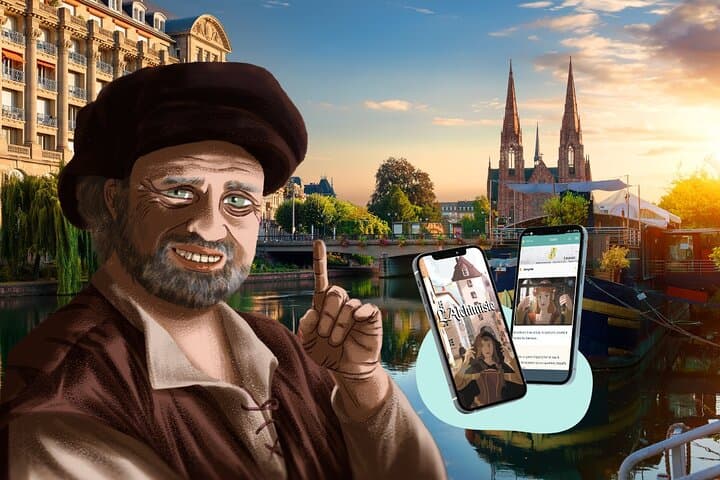
Turn Strasbourg’s streets into your puzzle board with L'Alchimiste, a self-guided urban escape game. Follow clues through Petite France and the Cathedral quarter, solve witness-driven riddles, and learn local history while you walk.
Turn Strasbourg’s streets into your puzzle board with L'Alchimiste, a self-guided urban escape game. Follow clues through Petite France and the Cathedral quarter, solve witness-driven riddles, and learn local history while you walk.
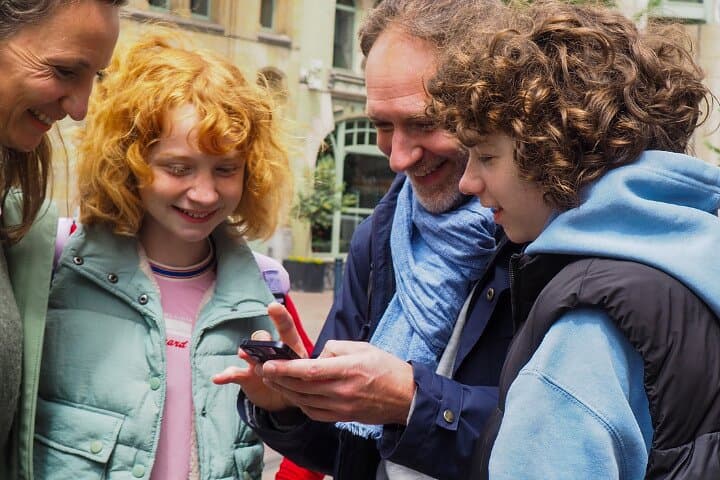
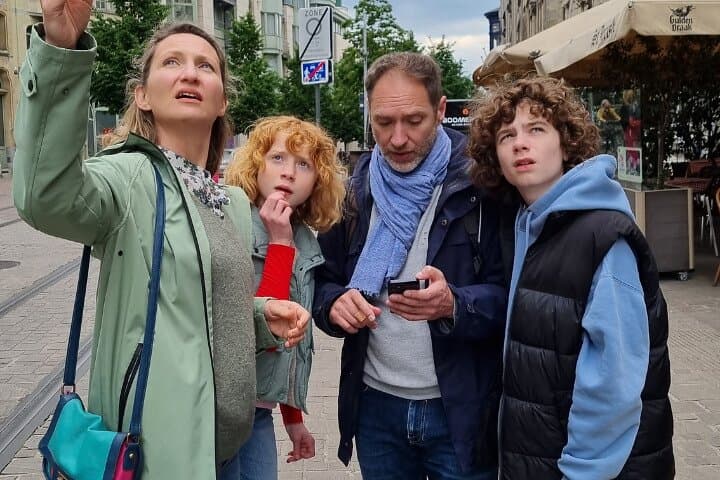
You push off from the tram stop and the city rearranges itself into a puzzle. Cobblestones click underfoot, the gothic spire of Strasbourg Cathedral towers above, and the Ill River seems to whisper directions as you follow clues on your phone.
Verified experiences and guided adventures in the surrounding area.
Operated by Coddy · Strasbourg, Grand Est
You push off from the tram stop and the city rearranges itself into a puzzle. Cobblestones click underfoot, the gothic spire of Strasbourg Cathedral towers above, and the Ill River seems to whisper directions as you follow clues on your phone.
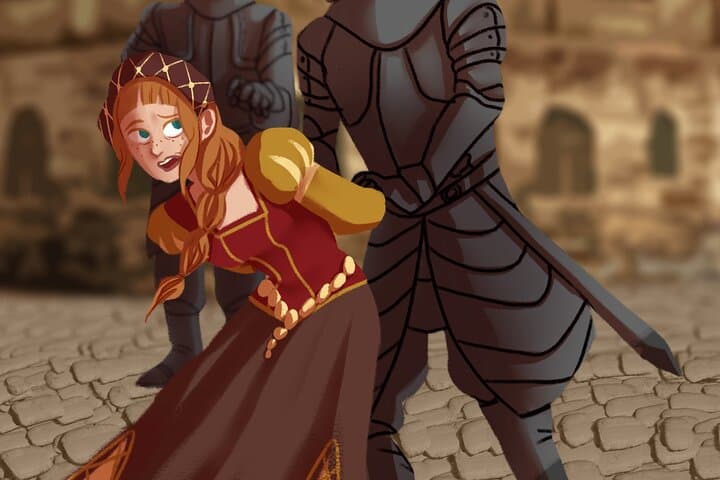
L'Alchimiste sends you through the old quarter as an investigator in a witchcraft allegation; witnesses become waypoints and façades hide riddles. The route threads Petite France canals, medieval squares, and quieter backstreets where history presses close — this part of the Rhine plain carries both French and German architectural notes born of centuries of shifting borders.
The game's premise leans on local lore: early modern Europe saw trials and accusations that still surface in museum exhibits and church records around Strasbourg. The urban fabric — timber-framed houses, covered bridges, and arcaded streets — gives the puzzles texture and variety rather than difficult elevation or terrain.
Practically, the experience is entirely app-based and self-timed for a two-hour window; it’s accessible for families and wheelchair users on most routes. Expect low physical demand but moderate navigational attention: you’ll stop often, read clues, and photograph answers.
Bring a charged smartphone, a compact power bank, and comfortable walking shoes. Start in daylight to read text and details on building façades, or choose evening for a quieter city but with less-visible clues. Use public transport to reach central starting points and leave no trace — the game depends on respectful use of public spaces.
This is a conversational, low-impact way to meet Strasbourg: part scavenger hunt, part local history lesson, and entirely walkable.
easy.
2 hours.
Suitable for most fitness levels; requires comfortable walking for up to 2 hours.
Designed for about 2 hours of play, though groups that stop to explore may take longer.
You can access the game anytime within the operating window; pick a start when daylight and tram service suit you.
Most central streets are accessible, and the provider notes wheelchair access—some narrow historical alleys may be tighter but generally passable.
Yes—puzzles are family-friendly, but younger children will need adult help with reading and navigation.
Strasbourg’s core reflects centuries of Franco-German influence; the region experienced witch trials and legal disputes in the early modern era, which inform some local stories.
Play has a low environmental footprint—use public transport, avoid obstructing public spaces, and follow Leave No Trace principles in crowded historic areas.
Coddy operates guided outdoor trips and adventures with an emphasis on safety, stewardship, and memorable experiences.
You push off from the tram stop and the city rearranges itself into a puzzle. Cobblestones click underfoot, the gothic spire of Strasbourg Cathedral towers above, and the Ill River seems to whisper directions as you follow clues on your phone.
You push off from the tram stop and the city rearranges itself into a puzzle. Cobblestones click underfoot, the gothic spire of Strasbourg Cathedral towers above, and the Ill River seems to whisper directions as you follow clues on your phone.
L'Alchimiste sends you through the old quarter as an investigator in a witchcraft allegation; witnesses become waypoints and façades hide riddles. The route threads Petite France canals, medieval squares, and quieter backstreets where history presses close — this part of the Rhine plain carries both French and German architectural notes born of centuries of shifting borders.
The game's premise leans on local lore: early modern Europe saw trials and accusations that still surface in museum exhibits and church records around Strasbourg. The urban fabric — timber-framed houses, covered bridges, and arcaded streets — gives the puzzles texture and variety rather than difficult elevation or terrain.
Practically, the experience is entirely app-based and self-timed for a two-hour window; it’s accessible for families and wheelchair users on most routes. Expect low physical demand but moderate navigational attention: you’ll stop often, read clues, and photograph answers.
Bring a charged smartphone, a compact power bank, and comfortable walking shoes. Start in daylight to read text and details on building façades, or choose evening for a quieter city but with less-visible clues. Use public transport to reach central starting points and leave no trace — the game depends on respectful use of public spaces.
This is a conversational, low-impact way to meet Strasbourg: part scavenger hunt, part local history lesson, and entirely walkable.