THE ADVENTURE COLLECTIVE® · Independent discovery and booking for outdoor travel

A direct, sunlit grind up the stone steps of Platteklip Gorge puts you on Table Mountain’s summit in about three hours. This afternoon hike pairs raw geology and fynbos with practical logistics—hotel pickup, snacks, and a cable-car option for the descent.
A direct, sunlit grind up the stone steps of Platteklip Gorge puts you on Table Mountain’s summit in about three hours. This afternoon hike pairs raw geology and fynbos with practical logistics—hotel pickup, snacks, and a cable-car option for the descent.
The city falls away in a patchwork of roofs and harbor cranes as you start up Platteklip Gorge, the trail that goes straight for the summit of Table Mountain. Late-afternoon light irons out the granite edges of suburban Cape Town; the Atlantic shimmers to the west and, if the wind allows, Robben Island is a pale silhouette on the horizon. The route climbs in a series of stone steps and zigzags carved into the mountain’s steep face—no frills, just a direct conversation between hiker and cliff.
Verified experiences and guided adventures in the surrounding area.
Operated by Big startups pty ltd · Cape Town, Western Cape
The city falls away in a patchwork of roofs and harbor cranes as you start up Platteklip Gorge, the trail that goes straight for the summit of Table Mountain. Late-afternoon light irons out the granite edges of suburban Cape Town; the Atlantic shimmers to the west and, if the wind allows, Robben Island is a pale silhouette on the horizon. The route climbs in a series of stone steps and zigzags carved into the mountain’s steep face—no frills, just a direct conversation between hiker and cliff.
Platteklip’s route is the most straightforward ascent on Table Mountain and, because of that blunt honesty, it has a long human history. The gorge cuts through the ancient quartzitic sandstone of the Table Mountain group—rock folded and weathered over hundreds of millions of years into the flat-topped massif that defines Cape Town’s skyline. Indigenous peoples used the plateau for seasonal grazing and signal fires; later European settlers and Victorian-era climbers made the summit a public destination. The cable car that now stands near the top, built and modernized across the 20th century, offers a quick return but also a reminder of the mountain’s evolving relationship with the city.
On the trail you’ll trade city noise for wind and bird calls. Vegetation thins as you gain height: lower slopes hold fynbos—compact, aromatic shrubs endemic to the Cape Floristic Region—while lichen and hardy grasses claim the higher ledges. The descent is a different negotiation: loose rock and uneven slabs demand attention when tired, and the famous “tablecloth” of cloud can appear suddenly, swallowing views and cooling the air.
Practical details: Platteklip Gorge is roughly 2.5–3.0 km one-way with an elevation gain of about 700–800 m; the operator schedules this afternoon hike as a 3-hour climb to the upper cableway. Terrain is steep, with long stone steps and some scrambling over slabs. Guides provide bottled water, snacks, and hotel pickup in Cape Town central; many hikers opt to ride the cable car down to save knees and time. Check wind forecasts—strong gusts can close the cableway and change return options.
Prepare for sun, sudden wind, and uneven footing. Wear sturdy hiking shoes with good grip, bring at least 1–2 liters of water, a windproof layer, and sun protection even on cool days. Start early in summer afternoons to avoid the hottest hours, and in winter allow extra time for fog and shorter daylight.
Platteklip is direct, demanding, and unforgiving in its simplicity—an efficient way to stand above Cape Town and measure yourself against one of the city’s most iconic summits.
moderate.
3 hours (as scheduled).
Moderate fitness required: steady cardiovascular endurance and leg strength for sustained uphill steps.
The ascent typically takes 2–3 hours for most hikers; the tour schedules a 3-hour climb to the upper cable station.
Cable-car return is optional—confirm availability and fees locally; strong winds can close the cableway.
Expect around 700–800 m of elevation gain over roughly 2.5–3 km with long stone steps and some scrambling over slabs.
The route is strenuous but non-technical; families with fit older children can manage it, while very young children and those with mobility limits should consider alternatives.
Descend immediately if visibility drops or wind picks up; guides will advise on safe options and cableway status.
No facilities on the gorge itself—use facilities at the lower cableway or summit station; bring sufficient water for the climb.
The flat-topped Table Mountain is composed of ancient quartzitic sandstone; the gorge has long been a practical route to the summit used by local communities and later recreational climbers.
The mountain sits in the Cape Floristic Region, a biodiversity hotspot; stick to trails to protect fynbos and avoid feeding wildlife to reduce human–animal conflict.
Big startups pty ltd operates guided outdoor trips and adventures with an emphasis on safety, stewardship, and memorable experiences.
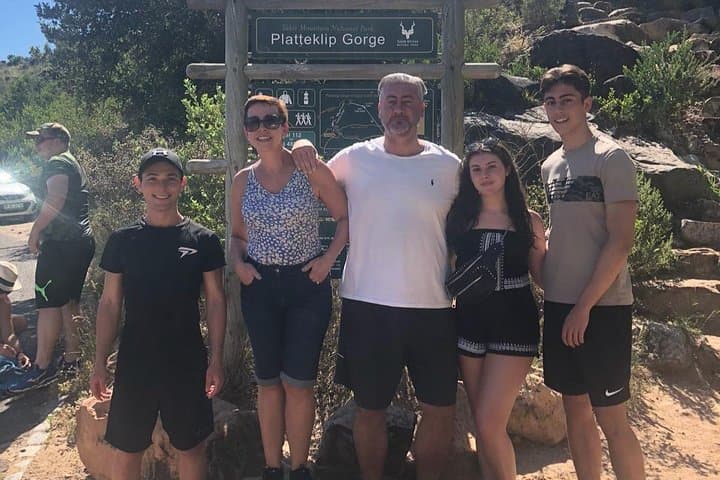
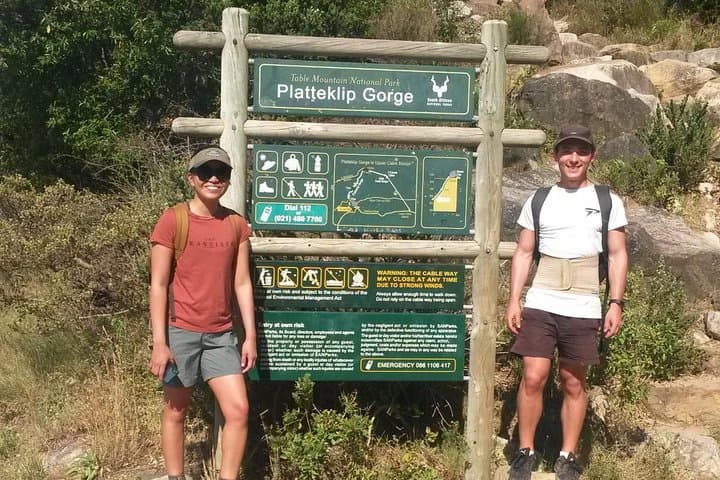
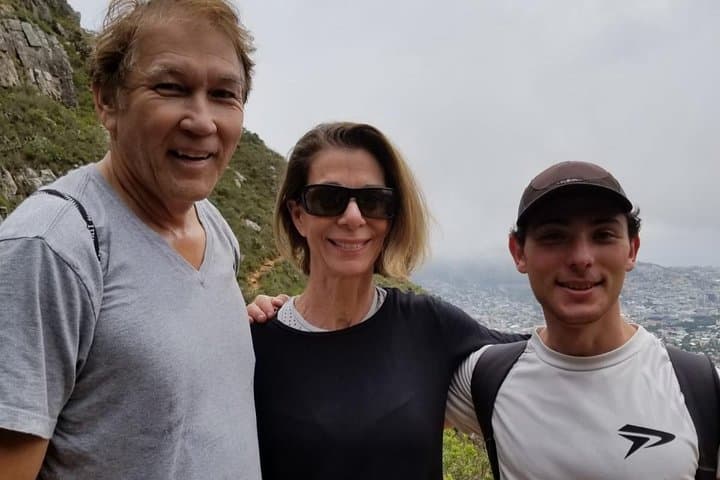
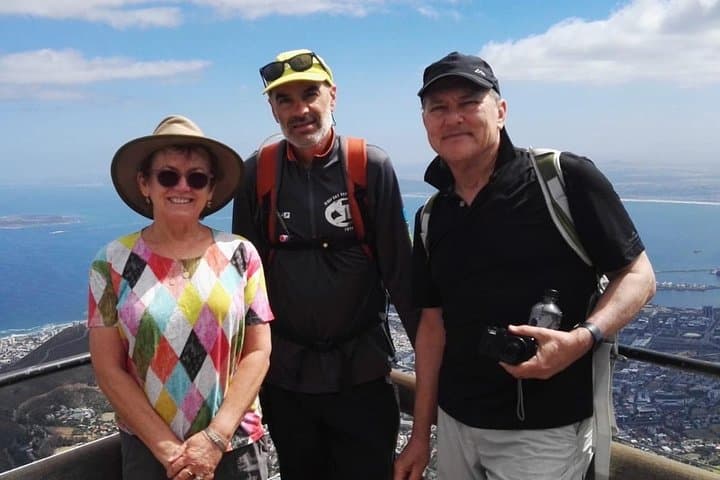
The city falls away in a patchwork of roofs and harbor cranes as you start up Platteklip Gorge, the trail that goes straight for the summit of Table Mountain. Late-afternoon light irons out the granite edges of suburban Cape Town; the Atlantic shimmers to the west and, if the wind allows, Robben Island is a pale silhouette on the horizon. The route climbs in a series of stone steps and zigzags carved into the mountain’s steep face—no frills, just a direct conversation between hiker and cliff.
The city falls away in a patchwork of roofs and harbor cranes as you start up Platteklip Gorge, the trail that goes straight for the summit of Table Mountain. Late-afternoon light irons out the granite edges of suburban Cape Town; the Atlantic shimmers to the west and, if the wind allows, Robben Island is a pale silhouette on the horizon. The route climbs in a series of stone steps and zigzags carved into the mountain’s steep face—no frills, just a direct conversation between hiker and cliff.
Platteklip’s route is the most straightforward ascent on Table Mountain and, because of that blunt honesty, it has a long human history. The gorge cuts through the ancient quartzitic sandstone of the Table Mountain group—rock folded and weathered over hundreds of millions of years into the flat-topped massif that defines Cape Town’s skyline. Indigenous peoples used the plateau for seasonal grazing and signal fires; later European settlers and Victorian-era climbers made the summit a public destination. The cable car that now stands near the top, built and modernized across the 20th century, offers a quick return but also a reminder of the mountain’s evolving relationship with the city.
On the trail you’ll trade city noise for wind and bird calls. Vegetation thins as you gain height: lower slopes hold fynbos—compact, aromatic shrubs endemic to the Cape Floristic Region—while lichen and hardy grasses claim the higher ledges. The descent is a different negotiation: loose rock and uneven slabs demand attention when tired, and the famous “tablecloth” of cloud can appear suddenly, swallowing views and cooling the air.
Practical details: Platteklip Gorge is roughly 2.5–3.0 km one-way with an elevation gain of about 700–800 m; the operator schedules this afternoon hike as a 3-hour climb to the upper cableway. Terrain is steep, with long stone steps and some scrambling over slabs. Guides provide bottled water, snacks, and hotel pickup in Cape Town central; many hikers opt to ride the cable car down to save knees and time. Check wind forecasts—strong gusts can close the cableway and change return options.
Prepare for sun, sudden wind, and uneven footing. Wear sturdy hiking shoes with good grip, bring at least 1–2 liters of water, a windproof layer, and sun protection even on cool days. Start early in summer afternoons to avoid the hottest hours, and in winter allow extra time for fog and shorter daylight.
Platteklip is direct, demanding, and unforgiving in its simplicity—an efficient way to stand above Cape Town and measure yourself against one of the city’s most iconic summits.