THE ADVENTURE COLLECTIVE® · Independent discovery and booking for outdoor travel

Explore Commewijne’s wetland edge by bicycle and boat from Paramaribo. Expect flat, sandy roads, mangrove channels, evening cayman spotting and an optional colonial-house overnight.
Explore Commewijne’s wetland edge by bicycle and boat from Paramaribo. Expect flat, sandy roads, mangrove channels, evening cayman spotting and an optional colonial-house overnight.
A humid, slow-breathing morning greets riders as they push off from a colonial house near Paramaribo, tires whispering over sandy polders and dikes. The route threads between rice fields and mangrove creeks; half the day a bicycle, half the day a small boat daring you down narrow channels where caiman slip like shadowed logs.
Verified experiences and guided adventures in the surrounding area.
Operated by Suriname Tour Agent ONLINE · Paramaribo, Paramaribo District
A humid, slow-breathing morning greets riders as they push off from a colonial house near Paramaribo, tires whispering over sandy polders and dikes. The route threads between rice fields and mangrove creeks; half the day a bicycle, half the day a small boat daring you down narrow channels where caiman slip like shadowed logs.
The Commewijne lowlands are former plantation country—Dutch colonial roads and 19th-century outbuildings mark a landscape shaped by riverine sediment and tides. Geology here is recent: alluvial flats, peat pockets and mangrove mud that dictate the slow, watery rhythms of wildlife and farming. Culturally, cycling this district feels like reading a layered map of Suriname’s past—Javanese and Hindustani farm plots, Maroon settlements, and colonial houses such as the optional Marienbosh overnight.
Practical guidance: expect flat terrain with soft shoulders and occasional sandy patches; total trip arrangements cover roughly 48 hours with an overnight, but a 3-day variant is possible. Bikes are provided with a crate and basic repair kit; bring a helmet, reliable lock and a refillable bottle. Between February and July operators often add a boat trip to a sea-turtle beach—timing matters if that’s the goal. Early evening is prime for cayman spotting when the water cools and banks darken.
Plan for heat, sudden tropical showers and biting insects; pace rides to match humidity and bring layered sun protection. With a modest level of fitness and good bike-handling on mixed surfaces, this tour is a practical, immersive way to experience Suriname’s wetland edge.
easy.
2 days (48 hours).
Suitable for riders of general fitness; requires basic cycling endurance and comfort on mixed, flat surfaces.
Yes—bikes, a crate or bag, a basic tire repair kit and a lock are provided; a refundable deposit (about €50) is required.
Yes—there’s a 3-day option for an additional fee that can include an extra night, meals and specific excursions such as a turtle-beach boat trip when in season (Feb–Jul).
The route is flat and rated easy; riders should be comfortable on a bike for multi-hour days and able to manage sandy patches and occasional muddy stretches.
Meals on the standard itinerary include dinner, breakfast and lunch; restroom access is typically at the overnight colonial house and select stops—carry hand sanitizer for field stops.
Commewijne’s landscape is shaped by Dutch colonial plantations and river transport; many colonial-era houses remain and several operate as guest accommodations.
The wetlands are ecologically sensitive—stay on marked paths, avoid disturbing nesting turtles (Feb–Jul) and carry out any trash to protect mangroves and shorelines.
Suriname Tour Agent ONLINE operates guided outdoor trips and adventures with an emphasis on safety, stewardship, and memorable experiences.
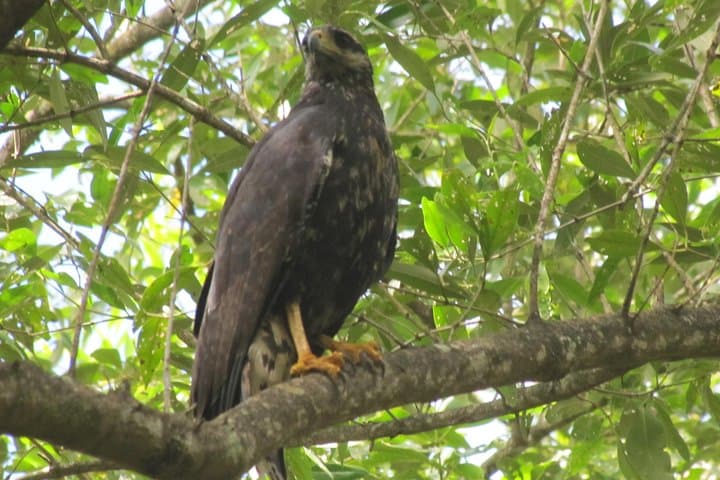
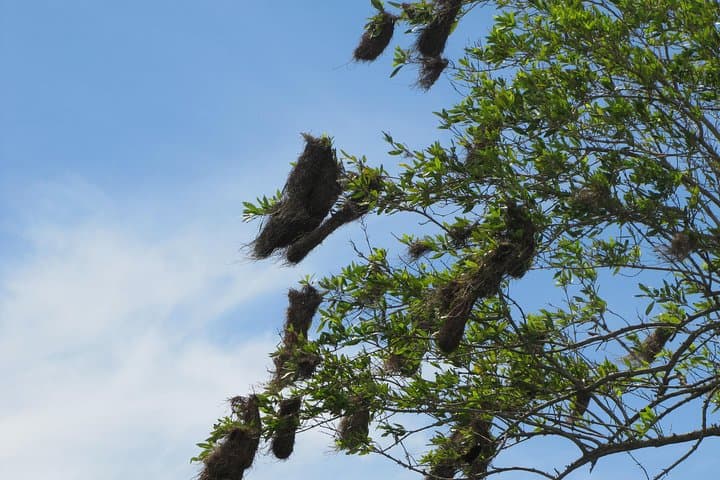
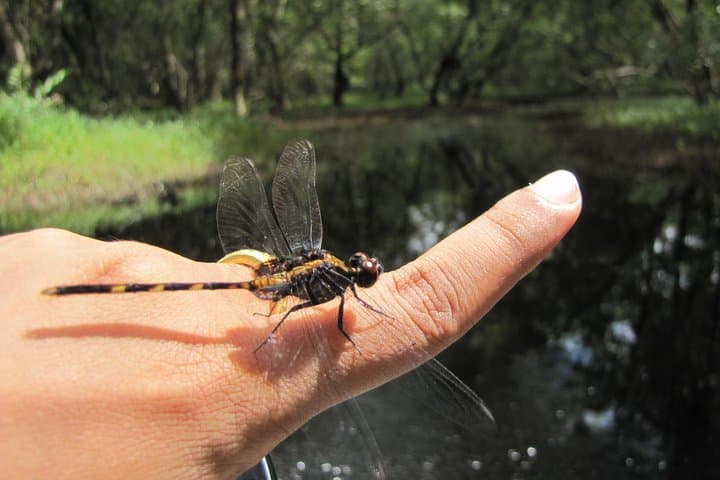
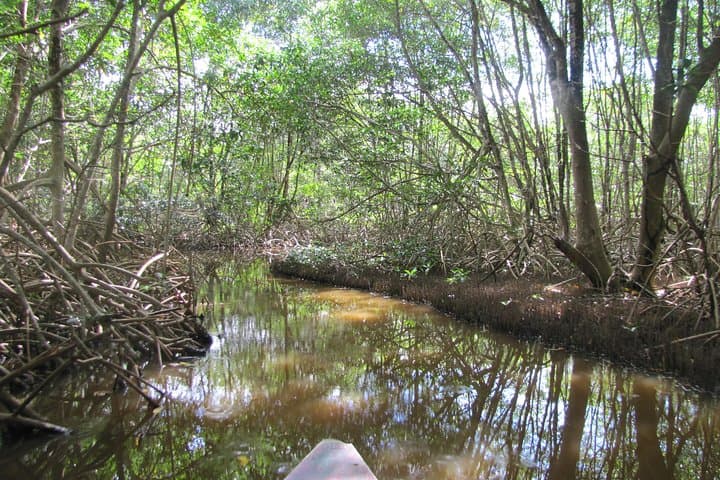
A humid, slow-breathing morning greets riders as they push off from a colonial house near Paramaribo, tires whispering over sandy polders and dikes. The route threads between rice fields and mangrove creeks; half the day a bicycle, half the day a small boat daring you down narrow channels where caiman slip like shadowed logs.
A humid, slow-breathing morning greets riders as they push off from a colonial house near Paramaribo, tires whispering over sandy polders and dikes. The route threads between rice fields and mangrove creeks; half the day a bicycle, half the day a small boat daring you down narrow channels where caiman slip like shadowed logs.
The Commewijne lowlands are former plantation country—Dutch colonial roads and 19th-century outbuildings mark a landscape shaped by riverine sediment and tides. Geology here is recent: alluvial flats, peat pockets and mangrove mud that dictate the slow, watery rhythms of wildlife and farming. Culturally, cycling this district feels like reading a layered map of Suriname’s past—Javanese and Hindustani farm plots, Maroon settlements, and colonial houses such as the optional Marienbosh overnight.
Practical guidance: expect flat terrain with soft shoulders and occasional sandy patches; total trip arrangements cover roughly 48 hours with an overnight, but a 3-day variant is possible. Bikes are provided with a crate and basic repair kit; bring a helmet, reliable lock and a refillable bottle. Between February and July operators often add a boat trip to a sea-turtle beach—timing matters if that’s the goal. Early evening is prime for cayman spotting when the water cools and banks darken.
Plan for heat, sudden tropical showers and biting insects; pace rides to match humidity and bring layered sun protection. With a modest level of fitness and good bike-handling on mixed surfaces, this tour is a practical, immersive way to experience Suriname’s wetland edge.