THE ADVENTURE COLLECTIVE® · Independent discovery and booking for outdoor travel

Spend a day planting a sapling in the Atlas Mountains and join a Berber family for mint tea and breakfast. This hands-on day trip blends light fieldwork with cultural exchange and practical conservation.
Spend a day planting a sapling in the Atlas Mountains and join a Berber family for mint tea and breakfast. This hands-on day trip blends light fieldwork with cultural exchange and practical conservation.
You step off the air-conditioned vehicle into thin, sun-warmed air and the Atlas slopes open up — stony terraces cut into ochre hills, almond and argan trees bending to the wind. A small nursery waits on a dusty bench; seedlings lean toward the sun like something hopeful. You’ll buy a sapling, dig with a local guide, and sink roots into soil that has seen centuries of terrace farming.
Verified experiences and guided adventures in the surrounding area.
Operated by Ourikatravel · Setti Fatma, Marrakech-Safi
You step off the air-conditioned vehicle into thin, sun-warmed air and the Atlas slopes open up — stony terraces cut into ochre hills, almond and argan trees bending to the wind. A small nursery waits on a dusty bench; seedlings lean toward the sun like something hopeful. You’ll buy a sapling, dig with a local guide, and sink roots into soil that has seen centuries of terrace farming.
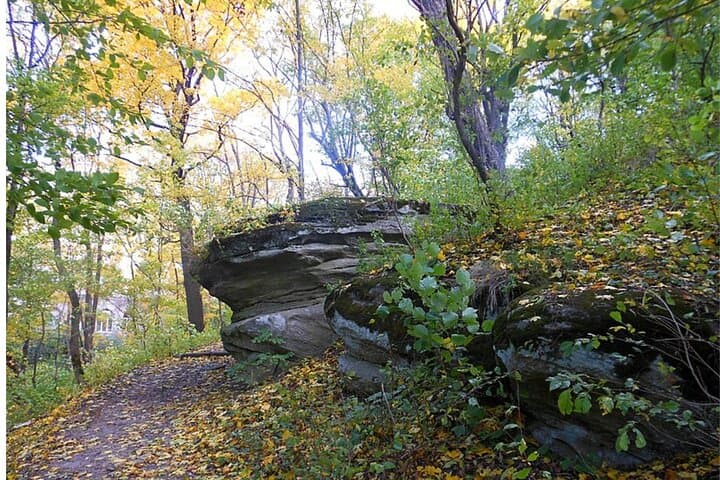
The Atlas range is more than backdrop: it’s the ancestral landscape of Amazigh (Berber) communities whose dry-stone terraces and irrigation channels shaped both the land and local culture. Geologically the mountains are young, folded by tectonics that push up granite crags and deep valleys. In villages like Setti Fatma, life still centers on seasonal work — olive presses, argan oil extraction, and shared mint tea rituals that mark hospitality.
After planting, the visit continues into a family home where bread is baked on a griddle and stories are exchanged over steaming mint tea. Expect practical insights: how local people use native trees to reduce erosion, seasonal planting windows, and the small economies around argan and date processing.
Practical guidance: wear sturdy shoes for uneven terraces, bring a reusable water bottle, and plan for a full day (roughly eight hours) from Marrakech. Respect local customs — modest dress, remove shoes inside homes if requested, and ask before photographing people. The work is simple but meaningful: you’ll leave not just with a photo but with a planted tree that helps stabilize slopes and supports village livelihoods.
easy.
8 hours.
Suitable for most fitness levels; requires short periods of stooping and walking on uneven ground
Most tours include private pickup from central Marrakech hotels or riads; you’ll select a pickup point when booking.
Yes—families are welcome, but the activity involves digging and passing tools; supervise children and inform the operator of ages when booking.
Species vary by village and season—commonly olive, argan, or native fruit and erosion-control trees suited to local soils and water availability.
Yes—Berber breakfast and traditional mint tea are included as part of the cultural visit.
The High Atlas has long been home to Amazigh (Berber) communities whose terrace agriculture and dry-stone walls date back centuries and shaped local settlement patterns.
Reforestation here helps reduce erosion and improve water retention; small-scale tree planting supports soil stability and local livelihoods, but long-term success depends on follow-up care and community programs.
Ourikatravel operates guided outdoor trips and adventures with an emphasis on safety, stewardship, and memorable experiences.
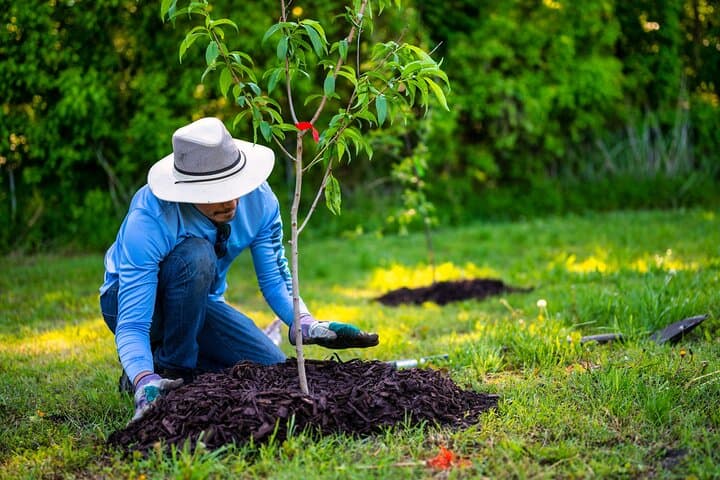

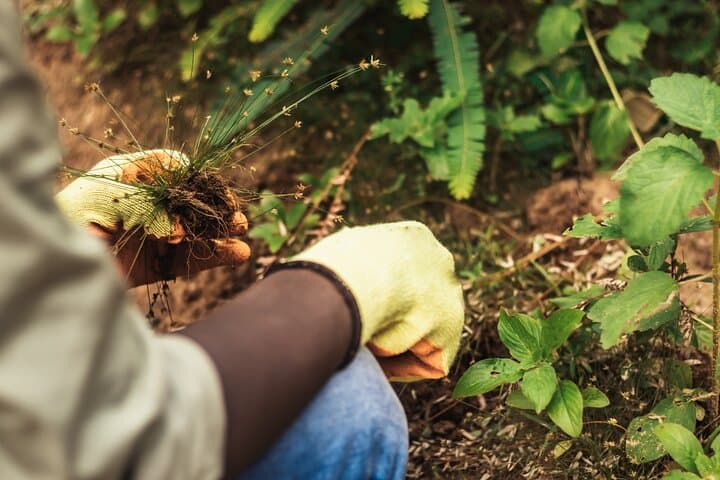
You step off the air-conditioned vehicle into thin, sun-warmed air and the Atlas slopes open up — stony terraces cut into ochre hills, almond and argan trees bending to the wind. A small nursery waits on a dusty bench; seedlings lean toward the sun like something hopeful. You’ll buy a sapling, dig with a local guide, and sink roots into soil that has seen centuries of terrace farming.
You step off the air-conditioned vehicle into thin, sun-warmed air and the Atlas slopes open up — stony terraces cut into ochre hills, almond and argan trees bending to the wind. A small nursery waits on a dusty bench; seedlings lean toward the sun like something hopeful. You’ll buy a sapling, dig with a local guide, and sink roots into soil that has seen centuries of terrace farming.
The Atlas range is more than backdrop: it’s the ancestral landscape of Amazigh (Berber) communities whose dry-stone terraces and irrigation channels shaped both the land and local culture. Geologically the mountains are young, folded by tectonics that push up granite crags and deep valleys. In villages like Setti Fatma, life still centers on seasonal work — olive presses, argan oil extraction, and shared mint tea rituals that mark hospitality.
After planting, the visit continues into a family home where bread is baked on a griddle and stories are exchanged over steaming mint tea. Expect practical insights: how local people use native trees to reduce erosion, seasonal planting windows, and the small economies around argan and date processing.
Practical guidance: wear sturdy shoes for uneven terraces, bring a reusable water bottle, and plan for a full day (roughly eight hours) from Marrakech. Respect local customs — modest dress, remove shoes inside homes if requested, and ask before photographing people. The work is simple but meaningful: you’ll leave not just with a photo but with a planted tree that helps stabilize slopes and supports village livelihoods.