THE ADVENTURE COLLECTIVE® · Independent discovery and booking for outdoor travel

Experience the night sky from a compact, accessible planetarium in Peñíscola. Interactive shows, telescopes and multisensory workshops make stargazing easy for families and first-time astronomers.
Experience the night sky from a compact, accessible planetarium in Peñíscola. Interactive shows, telescopes and multisensory workshops make stargazing easy for families and first-time astronomers.
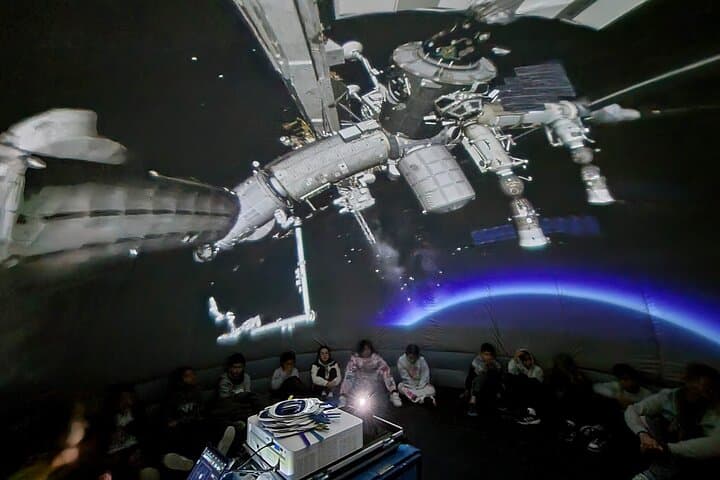
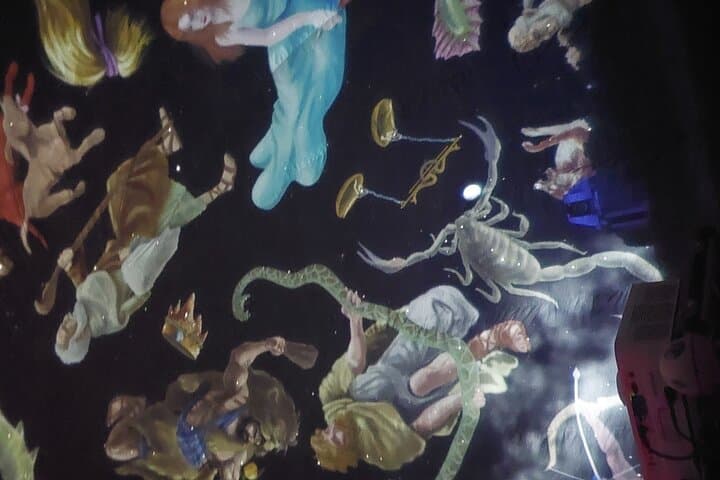
The room cools as Mediterranean dusk slips behind Peñíscola’s stone ramparts and the planetarium’s dome comes alive: projected constellations crawl overhead while a guide traces the motion of planets through the dark. Outside, the castle’s silhouette keeps watch; inside, viewers lean forward as telescopes are readied and multisensory exhibits invite touch, sound and smell into the story of the solar system.
Verified experiences and guided adventures in the surrounding area.
Operated by Estrellas en Ruta · Peñíscola, Castellón
The room cools as Mediterranean dusk slips behind Peñíscola’s stone ramparts and the planetarium’s dome comes alive: projected constellations crawl overhead while a guide traces the motion of planets through the dark. Outside, the castle’s silhouette keeps watch; inside, viewers lean forward as telescopes are readied and multisensory exhibits invite touch, sound and smell into the story of the solar system.
Peñíscola’s headland is a product of limestone uplift and marine erosion—rocks that once rose from the seabed now frame a town with medieval walls and a surprising appetite for science. The planetarium builds on a local history of navigation and seafaring: sailors once used these same skies to find their way along the Costa del Azahar.
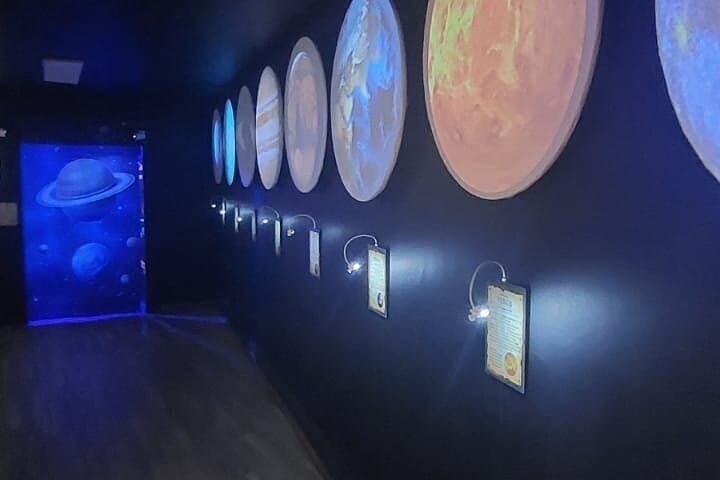
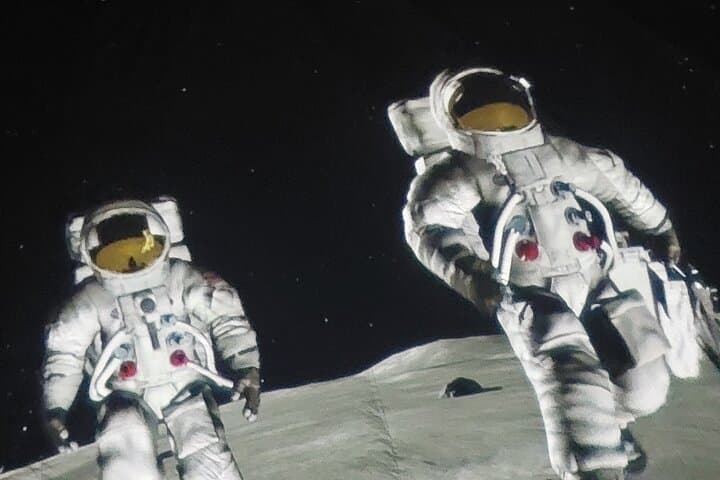
Expect a mix of indoor immersive shows, hands-on museum displays, didactic workshops and, when weather allows, telescope observations of the Moon and planets. Sessions run about 90 minutes and are designed for families, school groups and curious adults; accessibility is strong, with wheelchair access and stroller-friendly surfaces.
Practical notes: book evening slots early during summer; arrive 15–20 minutes ahead to explore the exhibits; wear a light layer—coastal nights can be cool—and silence phones during telescope time. Weather only cancels outdoor observations; planetarium shows proceed regardless. The experience is an efficient, low-impact way to connect with dark-sky observing without a long hike—perfect for travelers who want stellar views with the practical comforts of a guided indoor program.
easy.
1.5 hours.
Minimal physical exertion; suitable for all fitness levels including families and seniors
Yes—workshops and multisensory activities are designed for families; infants may be asked to sit on an adult’s lap during shows.
Outdoor telescope observations are weather-dependent; the indoor planetarium shows continue as scheduled regardless of sky conditions.
Yes—the facility and surfaces are wheelchair-accessible and transportation options nearby support accessibility.
Programs are primarily in Spanish, but many operators offer bilingual or English sessions—check the listing or request language options when booking.
Peñíscola’s headland hosts a 14th-century castle once occupied by the Knights Templar and later by Antipope Benedict XIII; astronomy here connects to a maritime tradition of celestial navigation.
The center supports dark-sky awareness—visitors are encouraged to minimize light pollution and follow guidelines to protect night fauna and reduce disturbance during observing sessions.
Estrellas en Ruta operates guided outdoor trips and adventures with an emphasis on safety, stewardship, and memorable experiences.
The room cools as Mediterranean dusk slips behind Peñíscola’s stone ramparts and the planetarium’s dome comes alive: projected constellations crawl overhead while a guide traces the motion of planets through the dark. Outside, the castle’s silhouette keeps watch; inside, viewers lean forward as telescopes are readied and multisensory exhibits invite touch, sound and smell into the story of the solar system.
The room cools as Mediterranean dusk slips behind Peñíscola’s stone ramparts and the planetarium’s dome comes alive: projected constellations crawl overhead while a guide traces the motion of planets through the dark. Outside, the castle’s silhouette keeps watch; inside, viewers lean forward as telescopes are readied and multisensory exhibits invite touch, sound and smell into the story of the solar system.
Peñíscola’s headland is a product of limestone uplift and marine erosion—rocks that once rose from the seabed now frame a town with medieval walls and a surprising appetite for science. The planetarium builds on a local history of navigation and seafaring: sailors once used these same skies to find their way along the Costa del Azahar.
Expect a mix of indoor immersive shows, hands-on museum displays, didactic workshops and, when weather allows, telescope observations of the Moon and planets. Sessions run about 90 minutes and are designed for families, school groups and curious adults; accessibility is strong, with wheelchair access and stroller-friendly surfaces.
Practical notes: book evening slots early during summer; arrive 15–20 minutes ahead to explore the exhibits; wear a light layer—coastal nights can be cool—and silence phones during telescope time. Weather only cancels outdoor observations; planetarium shows proceed regardless. The experience is an efficient, low-impact way to connect with dark-sky observing without a long hike—perfect for travelers who want stellar views with the practical comforts of a guided indoor program.