THE ADVENTURE COLLECTIVE® · Independent discovery and booking for outdoor travel

Peru’s varied climates and elevations make travel planning more than booking flights. Work with a local advisor to time acclimatization, reserve trail permits, and craft an efficient route across the Andes, Amazon, and coast.
Peru’s varied climates and elevations make travel planning more than booking flights. Work with a local advisor to time acclimatization, reserve trail permits, and craft an efficient route across the Andes, Amazon, and coast.
You could be standing in a crowded Cusco plaza or scrolling from home; either way, Peru arrives at once—high, dry air of the Andes, the humid green reach of the Amazon, and the cold Pacific wind along the coast.
Verified experiences and guided adventures in the surrounding area.
Operated by MachuPicchu.Center · Cusco, Cusco
You could be standing in a crowded Cusco plaza or scrolling from home; either way, Peru arrives at once—high, dry air of the Andes, the humid green reach of the Amazon, and the cold Pacific wind along the coast.
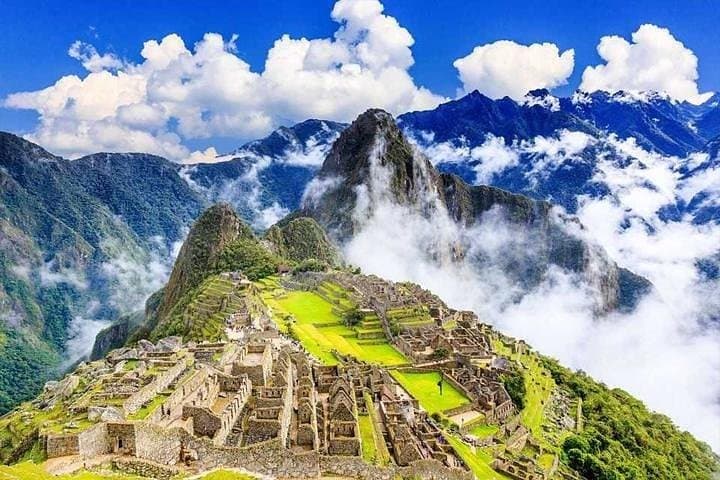
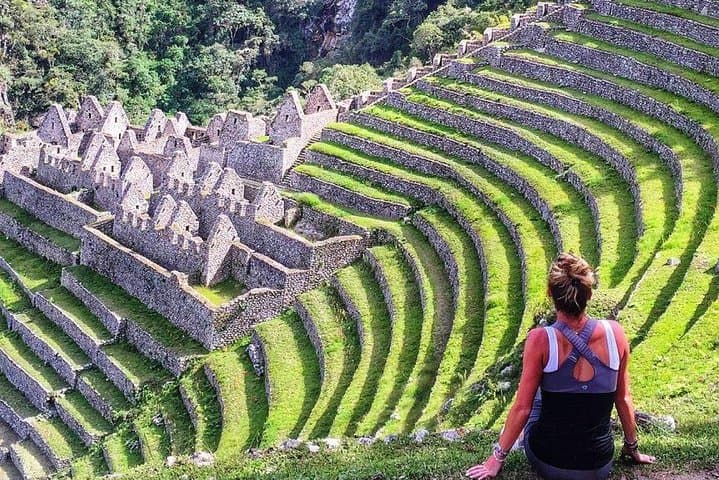
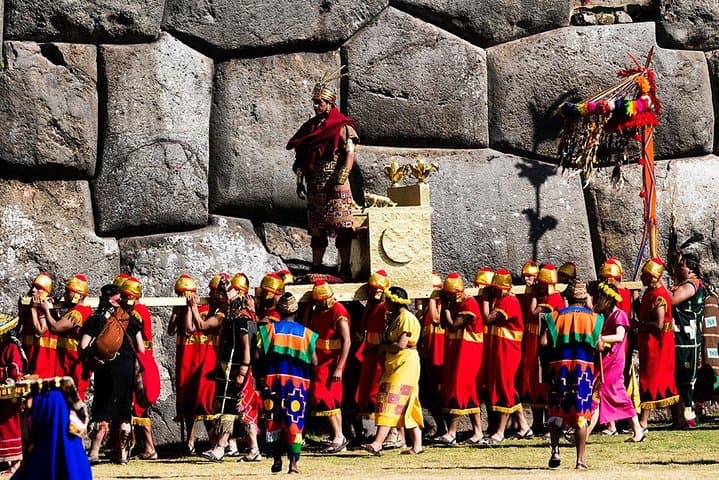
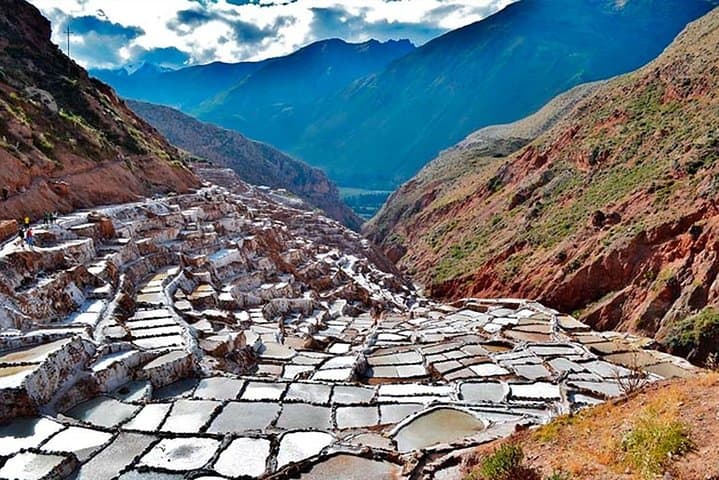
A consultation with a Peru travel advisor unpacks those contrasts and stitches them into a workable plan. Peru’s history—Inca administrative centers carved into steep valleys, Spanish colonial churches, and pre-Inca terraces—shapes routes and rhythms. Geology matters: the Andes push altitude from sea-level beaches to Cusco’s 3,400 m in a matter of hours; weather varies regionally and by season; culture shifts from Quechua-speaking highland communities to coastal fishing towns.
Expect practical choices: when to prioritize acclimatization in Cusco before the Inca Trail (roughly 43 km), how long to allow for the Sacred Valley, and which Amazon lodges fit your budget and tolerance for remoteness. Advisors pair logistics—domestic flights, train windows to Aguas Calientes, and permit timing—with on-the-ground tips about local guides, lunch stops, and quieter viewpoints.
The practical edge: budget realistic buffer days, plan for altitude (allow two to three easy days near 2,800–3,400 m), and stagger travel between regions to avoid backtracking. Pack layers, confirm train and permit availability well in advance, and use a local advisor to manage Spanish-language arrangements and last-mile bookings. With the right prep, Peru’s landscapes stop being obstacles and start daring you forward.
easy.
1–3 hours.
No physical fitness required for planning; choose activities (treks, river trips) according to your fitness level
Start 3–6 months ahead for peak-season treks and train reservations; 6–12 months if you need guaranteed Inca Trail permits.
Yes—local advisors can recommend and book hotels, guides, permits, and transport tailored to budget and timing.
Routine vaccines are recommended; Yellow Fever is advised for some Amazon areas—consult a travel clinic well before departure.
Yes, but plan buffer days for acclimatization and book domestic flights to avoid long cross-country overland transfers.
Peru’s modern itineraries trace pre-Columbian trade routes and Inca administrative centers; Spanish colonial routes later repurposed many of those paths into towns and churches.
High-traffic sites face overtourism and erosion—choose licensed guides, follow park rules, and offset impacts by supporting local conservation initiatives.
MachuPicchu.Center operates guided outdoor trips and adventures with an emphasis on safety, stewardship, and memorable experiences.
You could be standing in a crowded Cusco plaza or scrolling from home; either way, Peru arrives at once—high, dry air of the Andes, the humid green reach of the Amazon, and the cold Pacific wind along the coast.
You could be standing in a crowded Cusco plaza or scrolling from home; either way, Peru arrives at once—high, dry air of the Andes, the humid green reach of the Amazon, and the cold Pacific wind along the coast.
A consultation with a Peru travel advisor unpacks those contrasts and stitches them into a workable plan. Peru’s history—Inca administrative centers carved into steep valleys, Spanish colonial churches, and pre-Inca terraces—shapes routes and rhythms. Geology matters: the Andes push altitude from sea-level beaches to Cusco’s 3,400 m in a matter of hours; weather varies regionally and by season; culture shifts from Quechua-speaking highland communities to coastal fishing towns.
Expect practical choices: when to prioritize acclimatization in Cusco before the Inca Trail (roughly 43 km), how long to allow for the Sacred Valley, and which Amazon lodges fit your budget and tolerance for remoteness. Advisors pair logistics—domestic flights, train windows to Aguas Calientes, and permit timing—with on-the-ground tips about local guides, lunch stops, and quieter viewpoints.
The practical edge: budget realistic buffer days, plan for altitude (allow two to three easy days near 2,800–3,400 m), and stagger travel between regions to avoid backtracking. Pack layers, confirm train and permit availability well in advance, and use a local advisor to manage Spanish-language arrangements and last-mile bookings. With the right prep, Peru’s landscapes stop being obstacles and start daring you forward.