THE ADVENTURE COLLECTIVE® · Independent discovery and booking for outdoor travel

Take your first underwater breaths off Plakias and experience the weightless calm of a guided PADI Discover Scuba Dive. Ideal for beginners (ages 8+), this private small-group program combines safety-focused instruction with the bright life of the Mediterranean seabed.
Take your first underwater breaths off Plakias and experience the weightless calm of a guided PADI Discover Scuba Dive. Ideal for beginners (ages 8+), this private small-group program combines safety-focused instruction with the bright life of the Mediterranean seabed.
The Mediterranean light cuts through oil-smooth water as you step off a low-profile rib near Plakias, the sea pressing cool and insistent against your calves. Instructors check gear with practiced calm while the beach behind you — a string of pebble coves and scrubby hills — waits in the sun. Minutes later you breathe through a regulator for the first time and the world above slips away; the current becomes a gentle guide, fish flick like living coins and the seabed unfurls in pale sand and scattered rock.
Verified experiences and guided adventures in the surrounding area.
Operated by Dive2gether Crete · Plakias, Rethymno
The Mediterranean light cuts through oil-smooth water as you step off a low-profile rib near Plakias, the sea pressing cool and insistent against your calves. Instructors check gear with practiced calm while the beach behind you — a string of pebble coves and scrubby hills — waits in the sun. Minutes later you breathe through a regulator for the first time and the world above slips away; the current becomes a gentle guide, fish flick like living coins and the seabed unfurls in pale sand and scattered rock.
This stretch of southern Crete sits on folded limestone carved by rivers and time; its underwater shelves host Posidonia meadows and small rocky reefs shaped by past tectonic lift. Plakias itself grew as a fishing hamlet under Venetian and Ottoman influences, and villages along the coast still serve grilled fish and rakı after a day at sea.
On a Discover Scuba Dive with small instructor-to-student ratios you’ll learn basic skills in shallow water before a guided swim where you can spot wrasse, damselfish and occasionally a loggerhead turtle. Operators follow PADI protocols; many dives count toward certification if you continue training.
Practicalities: the program runs about four hours, requires basic swimming ability, and accepts ages 8+. Don’t dive if pregnant or if you have significant heart or respiratory issues. Bring swimwear, a light wind layer for after the dive, sun protection, and travel documentation. Book morning slots for calmer seas and clearer visibility; afternoons can be warmer but busier. Respect the reef—no touching or feeding wildlife—and you’ll leave understanding why people call diving contagious.
easy.
4 hours.
Basic swimming ability and general good health; no advanced fitness required but you should be comfortable in open water.
The program accepts participants from 8 years old, with the same safety briefing and close instructor supervision for younger divers.
No certification is required—the PADI Discover Scuba Dive is designed as an introduction and teaches basic skills in shallow water.
Yes—diving is not recommended for pregnant travelers or people with significant cardiovascular, respiratory, or recent ear/sinus problems; you must be generally healthy and able to swim.
The scheduled duration is about four hours and includes use of SCUBA equipment, transport from the dive school to the site, and bottled water; specifics may vary by operator.
The south coast of Crete bears traces of Venetian and Ottoman periods; many coastal villages evolved from small fishing communities tied to ancient maritime routes.
Operators emphasize no-touch diving and support local protections for Posidonia meadows—choose centers that follow PADI safety and environmental guidelines.
Dive2gether Crete operates guided outdoor trips and adventures with an emphasis on safety, stewardship, and memorable experiences.


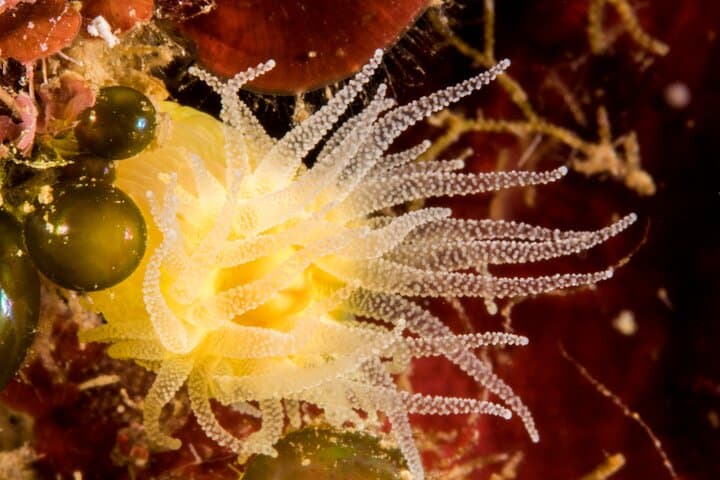
The Mediterranean light cuts through oil-smooth water as you step off a low-profile rib near Plakias, the sea pressing cool and insistent against your calves. Instructors check gear with practiced calm while the beach behind you — a string of pebble coves and scrubby hills — waits in the sun. Minutes later you breathe through a regulator for the first time and the world above slips away; the current becomes a gentle guide, fish flick like living coins and the seabed unfurls in pale sand and scattered rock.
The Mediterranean light cuts through oil-smooth water as you step off a low-profile rib near Plakias, the sea pressing cool and insistent against your calves. Instructors check gear with practiced calm while the beach behind you — a string of pebble coves and scrubby hills — waits in the sun. Minutes later you breathe through a regulator for the first time and the world above slips away; the current becomes a gentle guide, fish flick like living coins and the seabed unfurls in pale sand and scattered rock.
This stretch of southern Crete sits on folded limestone carved by rivers and time; its underwater shelves host Posidonia meadows and small rocky reefs shaped by past tectonic lift. Plakias itself grew as a fishing hamlet under Venetian and Ottoman influences, and villages along the coast still serve grilled fish and rakı after a day at sea.
On a Discover Scuba Dive with small instructor-to-student ratios you’ll learn basic skills in shallow water before a guided swim where you can spot wrasse, damselfish and occasionally a loggerhead turtle. Operators follow PADI protocols; many dives count toward certification if you continue training.
Practicalities: the program runs about four hours, requires basic swimming ability, and accepts ages 8+. Don’t dive if pregnant or if you have significant heart or respiratory issues. Bring swimwear, a light wind layer for after the dive, sun protection, and travel documentation. Book morning slots for calmer seas and clearer visibility; afternoons can be warmer but busier. Respect the reef—no touching or feeding wildlife—and you’ll leave understanding why people call diving contagious.