THE ADVENTURE COLLECTIVE® · Independent discovery and booking for outdoor travel

Discover Morbegno through a playful ingredient hunt, then knead and cook traditional pizzoccheri with a local chef. Expect five hours of walking, tasting, and hands-on learning in Valtellina’s historic streets.
Discover Morbegno through a playful ingredient hunt, then knead and cook traditional pizzoccheri with a local chef. Expect five hours of walking, tasting, and hands-on learning in Valtellina’s historic streets.
A cool mountain morning unfurls over Morbegno as you step into streets that still remember merchant carts and cellar-smells. The treasure-hunt begins under arched shopfronts where local vendors send you on quick tests and hand you the next ingredient: buckwheat flour, alpine cheese, cured meats. The town’s river edges and stone bridges press close, as if the Adda itself nudges you onward.
Verified experiences and guided adventures in the surrounding area.
Operated by Experience Valtellina · Morbegno, Lombardy
A cool mountain morning unfurls over Morbegno as you step into streets that still remember merchant carts and cellar-smells. The treasure-hunt begins under arched shopfronts where local vendors send you on quick tests and hand you the next ingredient: buckwheat flour, alpine cheese, cured meats. The town’s river edges and stone bridges press close, as if the Adda itself nudges you onward.
Valtellina’s foodways grew from a landscape carved by glaciers and fed by steep pastures; pizzoccheri — short, flat buckwheat noodles — was born here as a high-altitude staple, paired with greens, potatoes and local cheeses. Morbegno’s compact center preserves narrow lanes, family-run salumerie and bakeries where you'll slip between counters to collect provisions before assembling at a small teaching kitchen.
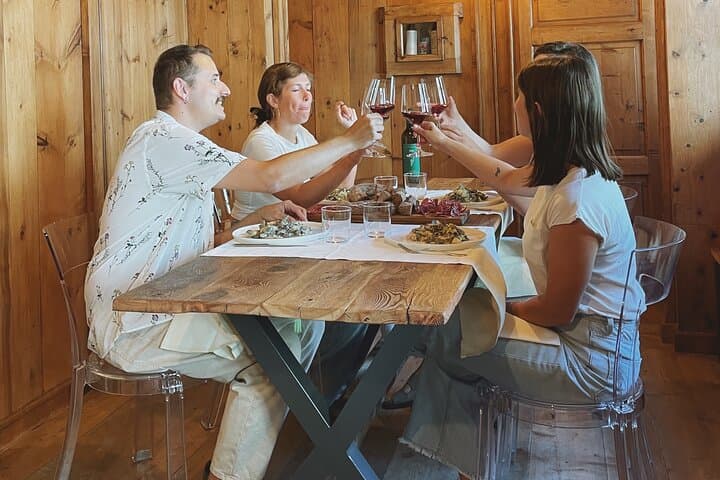
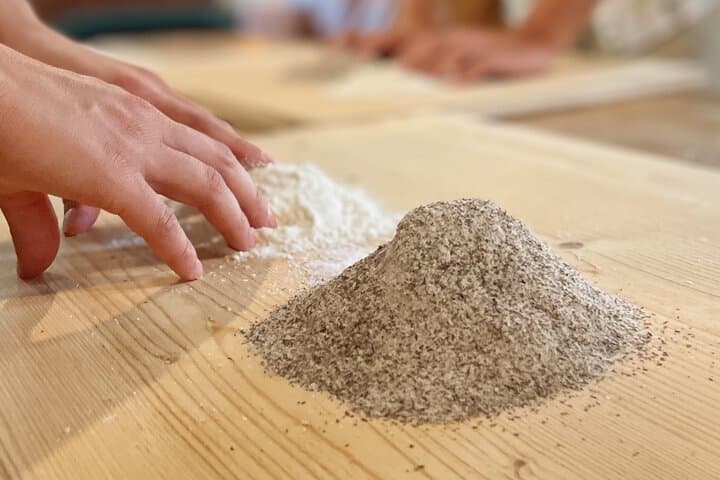
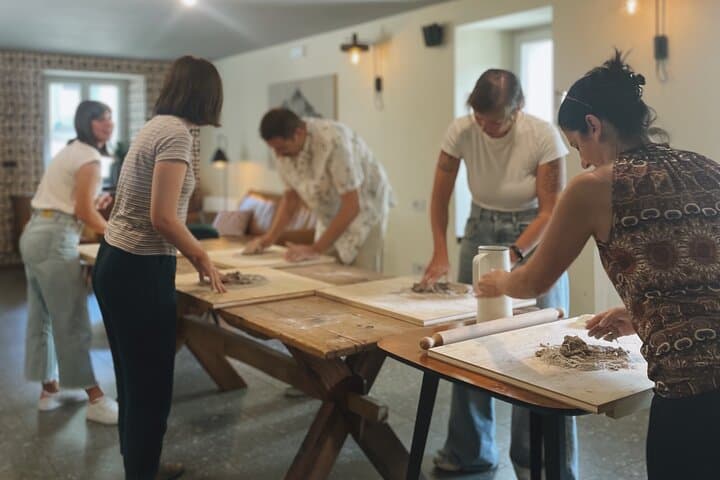
Under a chef’s guidance you knead and roll by hand, learning the dough’s forgiving rhythm and the quick sear that makes pizzoccheri sing. An aperitif of local salumi and a glass of Valtellina wine bookend the cooking, then you sit to taste what you made alongside bisciola and cupeta for dessert.
Practical edge: the activity is low-impact but requires about five hours and light walking on cobbles; bring layered clothing and comfortable shoes. Public transit reaches Morbegno, and menus usually include meat-forward options—notify hosts for vegetarian or allergy needs. The experience pairs cultural history with tactile learning: you leave with a fuller stomach, a recipe, and a better sense of why Valtellina’s flavors are tied to its slopes.
easy.
5 hours.
Light walking and standing; suitable for most with basic mobility.
Yes — the treasure-hunt format is family-friendly, but the cooking station and alcohol service have age rules; check with the operator for child meal options.
Vegetarian adaptations are usually possible if requested at booking; pizzoccheri can be prepared without cured meats using local cheeses and greens.
Full refund if cancelled at least 24 hours before the start time; same-day cancellations are non-refundable.
The event notes wheelchair accessibility for parts of the itinerary, but cobbled streets and some doorways may restrict full access — contact the operator to confirm arrangements.
Pizzoccheri originated in Valtellina as a hearty buckwheat pasta for mountain farmers; the dish reflects centuries of adapting grains to high-altitude agriculture.
This activity supports small local shops and producers; minimize waste by using refillable bottles and favoring locally sourced ingredients.
Experience Valtellina operates guided outdoor trips and adventures with an emphasis on safety, stewardship, and memorable experiences.
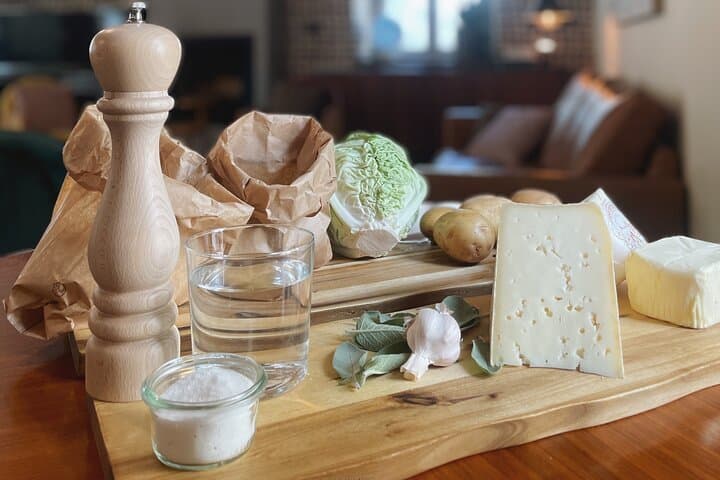
A cool mountain morning unfurls over Morbegno as you step into streets that still remember merchant carts and cellar-smells. The treasure-hunt begins under arched shopfronts where local vendors send you on quick tests and hand you the next ingredient: buckwheat flour, alpine cheese, cured meats. The town’s river edges and stone bridges press close, as if the Adda itself nudges you onward.
A cool mountain morning unfurls over Morbegno as you step into streets that still remember merchant carts and cellar-smells. The treasure-hunt begins under arched shopfronts where local vendors send you on quick tests and hand you the next ingredient: buckwheat flour, alpine cheese, cured meats. The town’s river edges and stone bridges press close, as if the Adda itself nudges you onward.
Valtellina’s foodways grew from a landscape carved by glaciers and fed by steep pastures; pizzoccheri — short, flat buckwheat noodles — was born here as a high-altitude staple, paired with greens, potatoes and local cheeses. Morbegno’s compact center preserves narrow lanes, family-run salumerie and bakeries where you'll slip between counters to collect provisions before assembling at a small teaching kitchen.
Under a chef’s guidance you knead and roll by hand, learning the dough’s forgiving rhythm and the quick sear that makes pizzoccheri sing. An aperitif of local salumi and a glass of Valtellina wine bookend the cooking, then you sit to taste what you made alongside bisciola and cupeta for dessert.
Practical edge: the activity is low-impact but requires about five hours and light walking on cobbles; bring layered clothing and comfortable shoes. Public transit reaches Morbegno, and menus usually include meat-forward options—notify hosts for vegetarian or allergy needs. The experience pairs cultural history with tactile learning: you leave with a fuller stomach, a recipe, and a better sense of why Valtellina’s flavors are tied to its slopes.