THE ADVENTURE COLLECTIVE® · Independent discovery and booking for outdoor travel

Skip the line at one of Florence’s grandest ducal complexes. This timed-entry visit pairs the art-filled rooms of Palazzo Pitti with the sculpted terraces of the Boboli Gardens—plan for 2–4 hours to see both.
Skip the line at one of Florence’s grandest ducal complexes. This timed-entry visit pairs the art-filled rooms of Palazzo Pitti with the sculpted terraces of the Boboli Gardens—plan for 2–4 hours to see both.
Morning light hits the rust-red façade of Palazzo Pitti and the slope of the Boboli Gardens like a cue — history waking up. Cross the Ponte Vecchio, thread through Oltrarno streets, and the palace fills the view: a compact cortege of stone, frescoed rooms and a garden that pushes upward, inviting exploration.
Verified experiences and guided adventures in the surrounding area.
Operated by Wanderung · Florence, Tuscany
Morning light hits the rust-red façade of Palazzo Pitti and the slope of the Boboli Gardens like a cue — history waking up. Cross the Ponte Vecchio, thread through Oltrarno streets, and the palace fills the view: a compact cortege of stone, frescoed rooms and a garden that pushes upward, inviting exploration.
Built as a grand ducal residence for the Medici, the Pitti complex houses the Palatine Gallery, the Treasury of the Grand Dukes, and the Gallery of Modern Art across four museum levels. The Boboli Gardens, an early model of the Italian garden, spread behind the palace with cypress avenues, grottoes and sculpted fountains. The Grotta del Buontalenti provides an eerie counterpoint—artificial stalactites, figural statuary and pockets of cool shade.
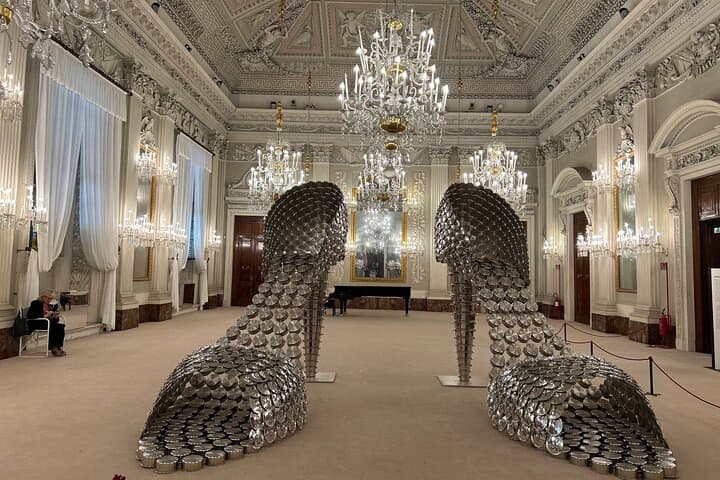
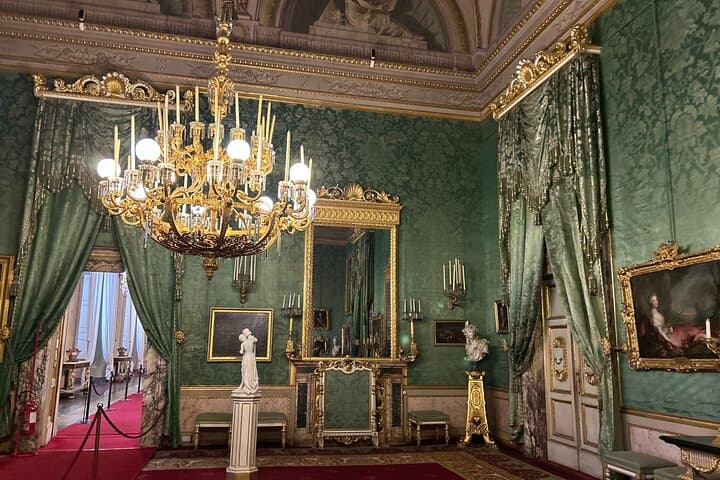
Expect clustered Renaissance art, opulent apartments with painted ceilings and a shift outdoors to terraced walks and wide views over the Arno. Terrain is mostly paved in the palace and formal paths in the gardens; some steep steps and uneven stone surfaces appear in both.
Practical guidance: arrive at your timed slot and keep a passport or ID matching your booking name ready for entry. Allow 2–4 hours to cover both sites at a relaxed pace; bring comfortable shoes for stairs and gravel paths, sun protection for garden exposure and a light layer for cooler grottoes and interior galleries. Photography rules vary by room — look for signs. Use early or late time slots to avoid peak crowds and combine the visit with a walk through nearby artisan workshops in Oltrarno.
easy.
2–4 hours.
Suitable for most fitness levels; expect walking on stairs and uneven garden terrain
Mobile tickets are accepted but you must present a passport or ID matching the booking name at the ticket office for entry.
Plan 2–4 hours total; 1–2 hours can cover the main palace galleries and another 1–2 hours for the Boboli Gardens at a steady pace.
Accessible routes are available, but some rooms and garden areas include steps or uneven paving; contact staff in advance to discuss specific access needs.
A digital audio guide is listed as included; check onsite for availability and language options.
Originally expanded and adapted by the Medici, Palazzo Pitti served as a ducal seat that centralized art collections and court life in Renaissance Florence.
The gardens and collections are managed to balance visitor access with preservation; stick to paths and avoid touching statues or plantings to protect fragile surfaces and horticulture.
Wanderung operates guided outdoor trips and adventures with an emphasis on safety, stewardship, and memorable experiences.
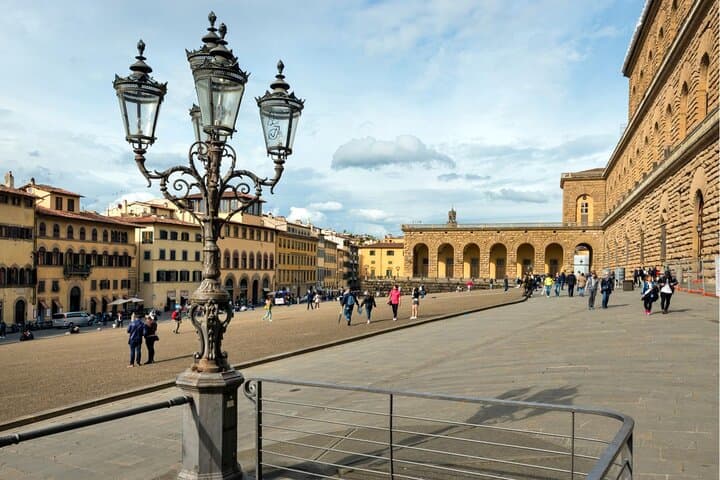
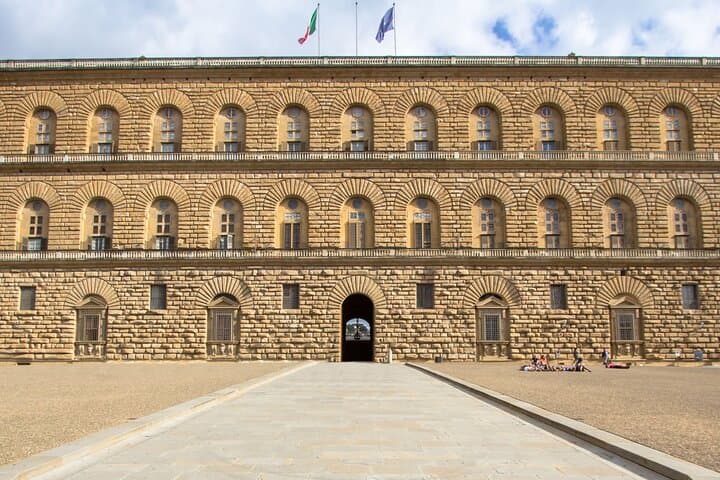
Morning light hits the rust-red façade of Palazzo Pitti and the slope of the Boboli Gardens like a cue — history waking up. Cross the Ponte Vecchio, thread through Oltrarno streets, and the palace fills the view: a compact cortege of stone, frescoed rooms and a garden that pushes upward, inviting exploration.
Morning light hits the rust-red façade of Palazzo Pitti and the slope of the Boboli Gardens like a cue — history waking up. Cross the Ponte Vecchio, thread through Oltrarno streets, and the palace fills the view: a compact cortege of stone, frescoed rooms and a garden that pushes upward, inviting exploration.
Built as a grand ducal residence for the Medici, the Pitti complex houses the Palatine Gallery, the Treasury of the Grand Dukes, and the Gallery of Modern Art across four museum levels. The Boboli Gardens, an early model of the Italian garden, spread behind the palace with cypress avenues, grottoes and sculpted fountains. The Grotta del Buontalenti provides an eerie counterpoint—artificial stalactites, figural statuary and pockets of cool shade.
Expect clustered Renaissance art, opulent apartments with painted ceilings and a shift outdoors to terraced walks and wide views over the Arno. Terrain is mostly paved in the palace and formal paths in the gardens; some steep steps and uneven stone surfaces appear in both.
Practical guidance: arrive at your timed slot and keep a passport or ID matching your booking name ready for entry. Allow 2–4 hours to cover both sites at a relaxed pace; bring comfortable shoes for stairs and gravel paths, sun protection for garden exposure and a light layer for cooler grottoes and interior galleries. Photography rules vary by room — look for signs. Use early or late time slots to avoid peak crowds and combine the visit with a walk through nearby artisan workshops in Oltrarno.