THE ADVENTURE COLLECTIVE® · Independent discovery and booking for outdoor travel

Move beyond the Leaning Tower on a 2.5-hour walking tour that pairs Pisa’s medieval history with market tastings, gelato, and riverside wine. Ideal for first-time visitors who want a compact, local-led introduction to the city’s architecture and flavors.
Move beyond the Leaning Tower on a 2.5-hour walking tour that pairs Pisa’s medieval history with market tastings, gelato, and riverside wine. Ideal for first-time visitors who want a compact, local-led introduction to the city’s architecture and flavors.
You meet your guide outside Porta Nuova as the morning light slices across Piazza del Duomo — the Leaning Tower’s tilt visible against a bright Tuscan sky. The group moves on foot, steps clicking on centuries-old stone, past the Baptistery and into lanes where merchants once hawked silk and grain. The Arno appears later, wide and deliberate, its surface daring you to linger at the bridge and watch reflections of palaces slide by.
Verified experiences and guided adventures in the surrounding area.
Operated by Tuscany like a Local · Pisa, Tuscany
You meet your guide outside Porta Nuova as the morning light slices across Piazza del Duomo — the Leaning Tower’s tilt visible against a bright Tuscan sky. The group moves on foot, steps clicking on centuries-old stone, past the Baptistery and into lanes where merchants once hawked silk and grain. The Arno appears later, wide and deliberate, its surface daring you to linger at the bridge and watch reflections of palaces slide by.
Pisa’s history is theatrical: a maritime republic that grew wealthy from Mediterranean trade, its medieval core still marked by marble façades, university buildings and the compact grid of Piazza dei Cavalieri. Geologically, the city sits on soft alluvial soils that contributed to the Tower’s famous tilt — an engineering problem turned icon. Culturally, this is a place of everyday rituals: early-market bargaining, espresso breaks, and the slow ritual of aperitivo by the river.
The tour blends narrative and palate — a Pisan-style breakfast or artisan gelato, market tastings, and a sandwich with local wine at a riverside enoteca. Expect about 2–2.5 hours of mostly flat walking (roughly 2–3 km) over cobblestones and arcades.
Practical guidance: bring ID for check-in, wear grippy shoes for uneven stone, and carry a small reusable water bottle. Morning or late afternoon departures cut crowding in Miracle Square. The route is wheelchair accessible but watch for narrow sections under historic arcades. Lightweight layers and a compact umbrella keep the day comfortable — and leave room for one more slice of cantucci.
easy.
2–2.5 hours.
Suitable for most fitness levels; walking on flat cobbles for up to 2.5 hours.
Yes — the itinerary includes a Pisan-style sweet breakfast or gelato, market snacks, and a sandwich with a glass of wine or water at a riverside enoteca.
The tour is listed as wheelchair and stroller accessible, with mostly flat routes, but some historic arcades and narrow lanes can be tight — contact the operator ahead for specifics.
The tour lasts about 2.5 hours and covers roughly 2–3 km of mostly flat, cobbled streets and riverside promenades.
Bring a passport or government ID for check-in and your mobile or printed ticket; the operator may ask to verify identity.
Pisa was a major maritime republic in the Middle Ages; its wealth from trade funded the Cathedral complex and university institutions still seen today.
High foot traffic around Piazza del Duomo means visitors should stick to marked paths and avoid touching marble; local groups work to protect heritage sites and reduce litter near the Arno.
Tuscany like a Local operates guided outdoor trips and adventures with an emphasis on safety, stewardship, and memorable experiences.
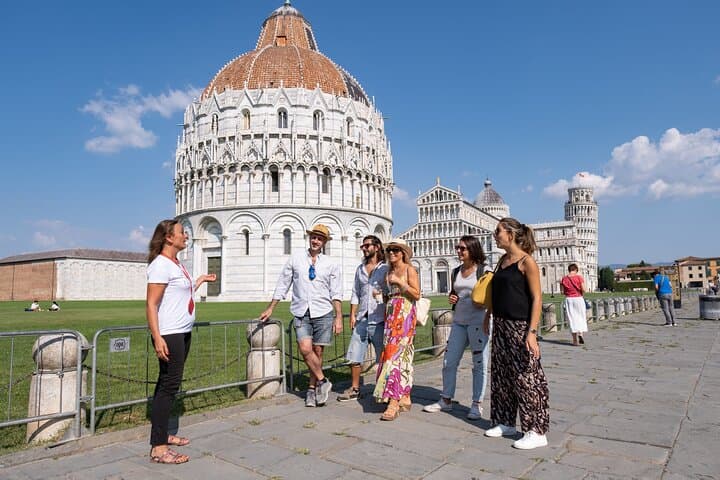
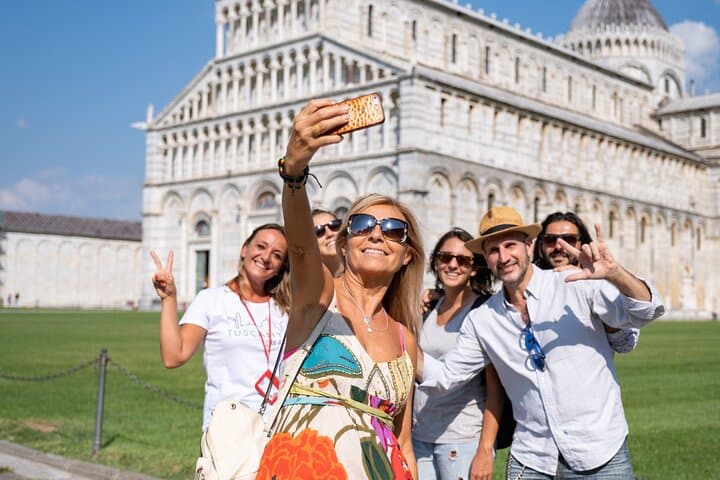
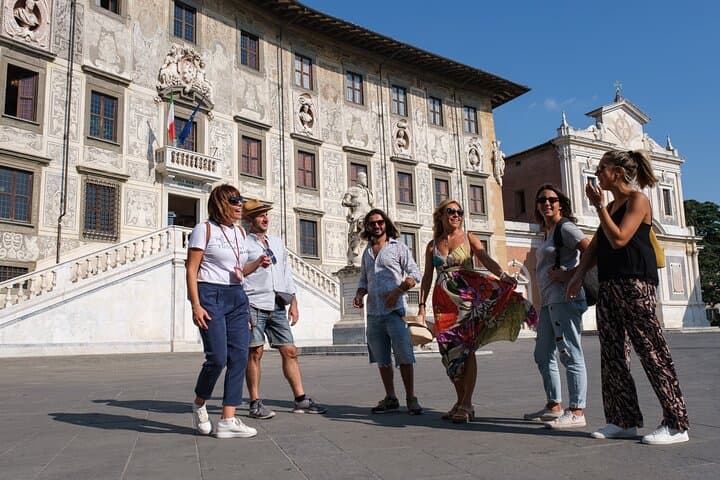
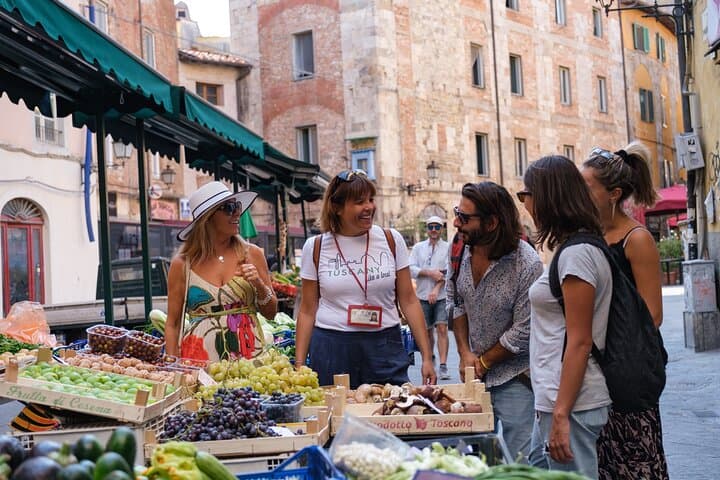
You meet your guide outside Porta Nuova as the morning light slices across Piazza del Duomo — the Leaning Tower’s tilt visible against a bright Tuscan sky. The group moves on foot, steps clicking on centuries-old stone, past the Baptistery and into lanes where merchants once hawked silk and grain. The Arno appears later, wide and deliberate, its surface daring you to linger at the bridge and watch reflections of palaces slide by.
You meet your guide outside Porta Nuova as the morning light slices across Piazza del Duomo — the Leaning Tower’s tilt visible against a bright Tuscan sky. The group moves on foot, steps clicking on centuries-old stone, past the Baptistery and into lanes where merchants once hawked silk and grain. The Arno appears later, wide and deliberate, its surface daring you to linger at the bridge and watch reflections of palaces slide by.
Pisa’s history is theatrical: a maritime republic that grew wealthy from Mediterranean trade, its medieval core still marked by marble façades, university buildings and the compact grid of Piazza dei Cavalieri. Geologically, the city sits on soft alluvial soils that contributed to the Tower’s famous tilt — an engineering problem turned icon. Culturally, this is a place of everyday rituals: early-market bargaining, espresso breaks, and the slow ritual of aperitivo by the river.
The tour blends narrative and palate — a Pisan-style breakfast or artisan gelato, market tastings, and a sandwich with local wine at a riverside enoteca. Expect about 2–2.5 hours of mostly flat walking (roughly 2–3 km) over cobblestones and arcades.
Practical guidance: bring ID for check-in, wear grippy shoes for uneven stone, and carry a small reusable water bottle. Morning or late afternoon departures cut crowding in Miracle Square. The route is wheelchair accessible but watch for narrow sections under historic arcades. Lightweight layers and a compact umbrella keep the day comfortable — and leave room for one more slice of cantucci.